
The first time I sampled Pork Dinuguan, I was transported to a bustling Filipino kitchen, where the air was rich with tantalizing spices and the promise of comfort. Imagine the warmth of tender pork melding with the sharp tang of vinegar and the earthy notes of tamarind, all slowly simmered to perfection. This dish is not just a stew; it’s a flavorful journey into Filipino cuisine that delights both the palate and the soul.
Whether you’re planning a potluck or a cozy family dinner, this unique recipe stands out, bringing people together over hearty bowls of rich, savory goodness. Don’t let the ingredient list intimidate you; with a few essential components, you can whip up this crowd-pleaser in no time. Plus, while traditional recipes call for pork blood to thicken the stew, I love how easily it’s adaptable if you want to experiment with chicken or beef instead. So grab your apron, because we’re about to create something truly special that pairs wonderfully with steamed rice, puto, or fresh pandesal.
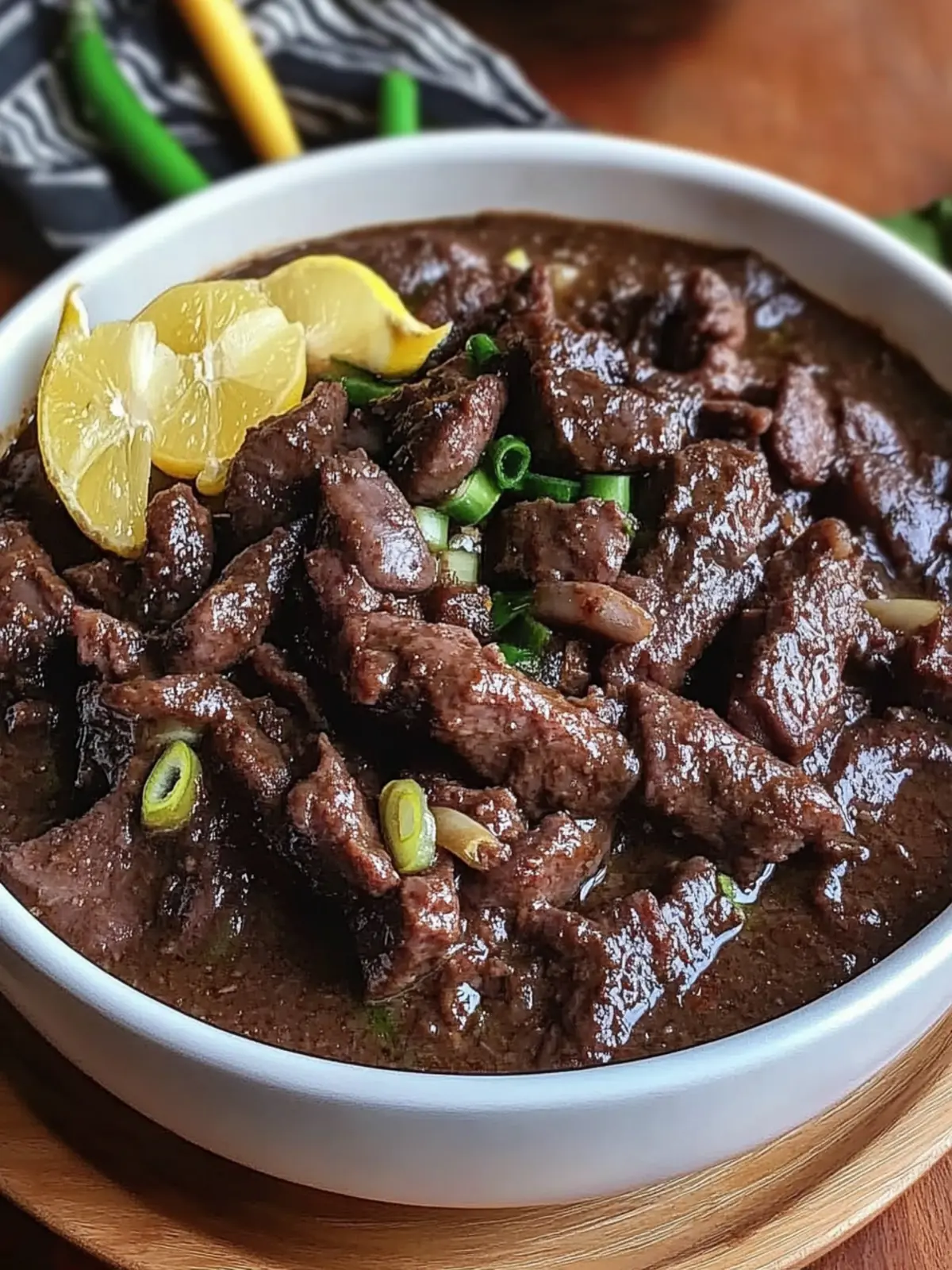
Why is Pork Dinuguan a Must-Try?
Unforgettable taste: Pork Dinuguan offers a unique medley of flavors, blending savory, tangy, and slightly spicy notes that are nothing short of extraordinary.
Quick to prepare: This dish can be whipped up in under an hour, making it perfect for weeknight dinners or unexpected guests.
Crowd-pleaser: With its rich, comforting taste, it’s bound to impress friends and family during gatherings or potlucks.
Versatile options: Feel free to switch out pork for chicken or beef, allowing you to customize this dish to suit your preferences.
Pair it perfectly: Enjoy it with steamed rice, puto, or pandesal for a complete meal that invites second helpings!
Pork Dinuguan Ingredients
• Get ready to create this savory Filipino stew with these essential components!
For the Base
- Canola Oil – Provides the fat needed for sautéing aromatics; feel free to use any neutral oil.
- Ginger – Adds warmth and a subtle heat; fresh ginger gives a robust flavor essential for the perfect Pork Dinuguan.
- Onion – Enhances sweetness and depth when sautéed; it’s a flavor builder!
- Garlic – Introduces aromatic richness and umami notes that complement the stew beautifully.
- Lemongrass – Offers a citrusy brightness and freshness, making each bite refreshing.
For the Stew
- Pork Shoulder or Belly (2 lbs) – This is the main protein; pork belly adds richness, but lean cuts like pork loin can be used too.
- Ground Pepper – Provides mild heat and enhances all flavors; adjust based on your spice preference.
- Sugar (1 tbsp) – Helps to balance the savory and sour notes wonderfully.
- Bay Leaves (3 pieces) – Infuses aromatic flavors during cooking, creating depth in every bowl.
- Fish Sauce – Adds that essential umami and saltiness pivotal to authentic Filipino cooking.
- Tamarind (Sinigang) Powder (1 tbsp, optional) – This optional addition injects tanginess and depth to the stew.
- Vinegar (1 cup) – Creates essential acidity, giving the dish its signature taste.
- Water (2 cups) – Forms the stew base, allowing all the flavors to meld beautifully.
- Finger Chilies (2 pieces) – Infuses mild heat; feel free to adjust according to your spice level.
- Pork Blood (10 ounces) – Traditional for thickening and adding deep flavor; if you’re squeamish, you can leave this out.
- Salt – Enhances the overall flavor; always adjust to your taste preference.
Now that you have all your ingredients ready, you’re just a few steps away from creating a stunning dish that will have everyone asking for seconds!
How to Make Pork Dinuguan
-
Heat oil: In a pot over medium heat, pour in the canola oil. Allow it to warm for a minute, then sauté the ginger, onion, and garlic until they become limp and fragrant—about 3-4 minutes.
-
Add flavors: Stir in the tamarind powder and vinegar, ensuring to cover the pot but leave it uncovered for 5 minutes. This creates a lovely depth of flavor without interruption.
-
Simmer: Pour in the water and add the finger chilies. Bring everything to a boil, then cover and reduce the heat. Let it simmer for about 20 minutes, or until the pork is tender and infused with all those delicious spices.
-
Incorporate blood: Gradually pour in the pork blood while stirring constantly. This will keep the mixture from lumping. Let it simmer for an additional 15 minutes or until the sauce has thickened and looks luscious.
-
Season: Finish your stew by seasoning with salt and more ground pepper to your taste. Turn off the heat and get ready to serve this comforting dish hot over steamed rice, puto, or pandesal.
Optional: Garnish with freshly chopped cilantro for an extra layer of flavor.
Exact quantities are listed in the recipe card below.
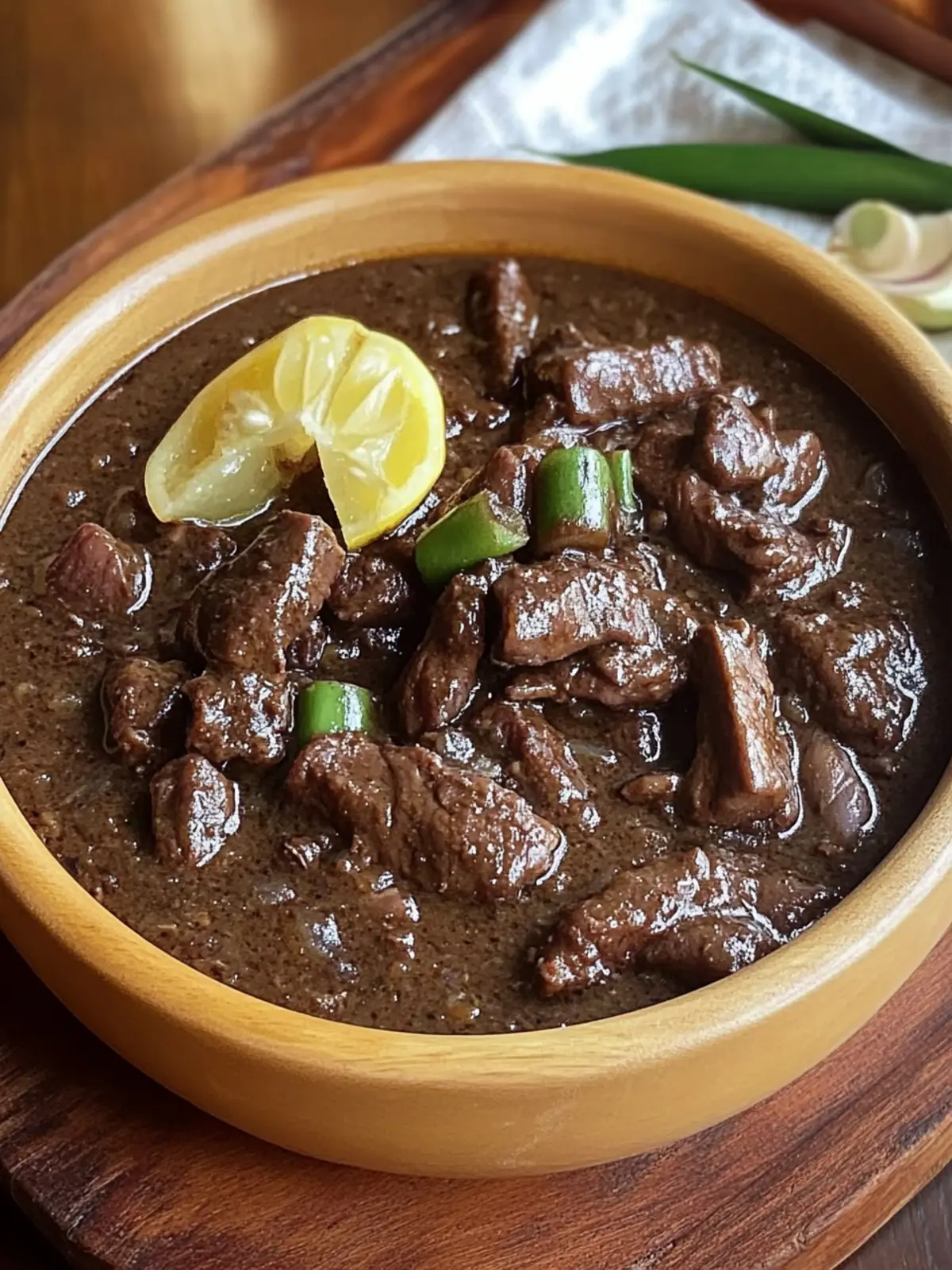
Make Ahead Options
These Pork Dinuguan preparations are perfect for busy home cooks looking to save time during the week! You can prepare the base of the stew (all ingredients except for the pork blood) up to 24 hours in advance. Just sauté the aromatics and even add the pork before refrigerating in an airtight container. When you’re ready to serve, simply reheat the mixture on the stove, then stir in the pork blood and let it simmer for about 15 minutes to thicken the sauce. This method enhances the flavors, making your Pork Dinuguan just as delicious as if it were freshly made! Plus, it allows for quick weeknight meals, bringing comfort food to the table with minimal effort.
Pork Dinuguan Variations & Substitutions
Feel free to unleash your creativity and adapt this recipe to your liking with these exciting twists!
- Chicken Swap: Use chicken thighs or drumsticks instead of pork for a lighter option that retains all the savory goodness.
- Beef Delight: Substitute beef for pork for a heartier variation; just be prepared for a longer cooking time to ensure tenderness.
- Vegetarian Option: For a meat-free take, use mushrooms or a mix of hearty vegetables like eggplant and zucchini, creating a unique savory depth.
- Gluten-Free: Ensure your fish sauce is gluten-free, or use a soy sauce alternative made specifically for gluten sensitivities.
- Extra Vegetables: Add more colorful veggies like bell peppers or long beans to enhance the flavor profile and give a nutritious boost.
- Herb Infusion: Toss in fresh herbs like basil or cilantro at the end for a bright finish that complements the rich flavors perfectly.
- Coconut Cream Twist: For a creamier texture, incorporate coconut cream in place of pork blood—this adds richness without the traditional ingredient.
- Spice It Up: Don’t hold back on the heat! Include more finger chilies or a splash of sriracha for those who like their stews with a kick!
Expert Tips for Pork Dinuguan
- Smooth Consistency: Stir the pork blood gently when adding it to the stew to prevent a grainy texture; keeping the heat moderate helps, too.
- Tender Meat: If using beef instead of pork, remember that it may require a longer cooking time for tenderness; check often to avoid overcooking.
- Heat Adjustments: For those who crave heat, increase the number of finger chilies or add red pepper flakes for a spicier version of Pork Dinuguan.
- Flavor Depth: Let the mixture simmer longer if time allows; the flavors deepen beautifully with a little patience!
- Substitution Advice: If you’re hesitant about using pork blood, consider using coconut cream or ground nuts for thickening without sacrificing flavor.
- Storage Tips: This dish tastes even better the next day, so make a batch ahead of time; store it in an airtight container in the fridge.
Storage Tips for Pork Dinuguan
Fridge: Store leftover Pork Dinuguan in an airtight container for up to 3 days. The flavors develop beautifully overnight, making it even tastier the next day.
Freezer: For longer storage, freeze the stew in an airtight container for up to 3 months. Thaw in the refrigerator before reheating for the best texture.
Reheating: Gently reheat on the stovetop over low to medium heat, stirring occasionally to maintain a smooth consistency after storing in the fridge or freezer.
Make-Ahead: This flavorful Pork Dinuguan can be made a day or two in advance, making it an excellent choice for potlucks and gatherings—just heat and serve!
What to Serve with Pork Dinuguan?
Indulge in a delicious feast as you explore delightful pairings that elevate your Pork Dinuguan experience.
-
Steamed Rice:
The perfect canvas for soaking up the rich, savory sauce of the dinuguan; it balances the dish beautifully. -
Puto:
These soft, Filipino rice cakes add a subtly sweet contrast that complements the depth of flavors in the stew. -
Pandesal:
Freshly baked, warm rolls that serve as a delightful side for sopping up every last drop of this flavorful dinuguan. -
Stir-Fried Vegetables:
A medley of colorful veggies adds a crisp, fresh note that lightens the hearty richness of the stew, creating a perfect balance. -
Coconut Rice:
Infused with creamy coconut milk, this dish enhances the savory elements of the dinuguan while introducing a wonderful texture. -
Spicy Vinegar Dip:
Add a side of spicy vinegar for those who like a bit of heat; it cuts through the richness and adds zing to every bite. -
Cold Beer:
A refreshing beer pairs perfectly, complementing the rich flavors while providing a crisp contrast to the warmth of the stew. -
Mango Salad:
This tangy and sweet salad brings a burst of brightness that offsets the savory stew, making each bite a flavor adventure.
Enjoy mixing and matching these sides to create a memorable meal that showcases the incredible flavors of Pork Dinuguan!
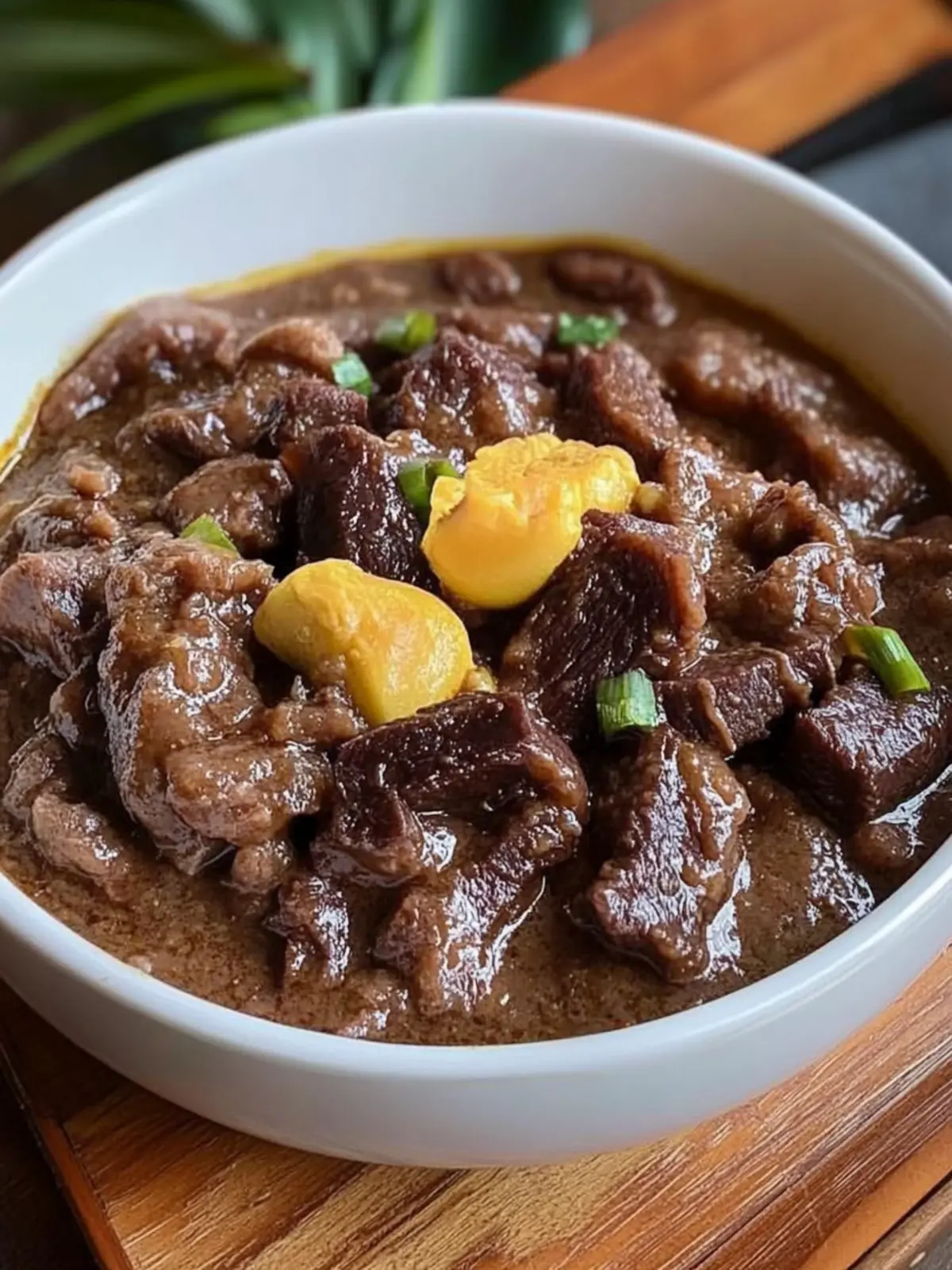
Pork Dinuguan Recipe FAQs
How do I select the best pork for Pork Dinuguan?
When choosing pork for your Dinuguan, look for cuts with some marbling, like pork shoulder or belly, as they provide flavor and moisture. Freshness is key, so check for a bright pink color with no dark spots and a clean smell. If you’re unsure, ask your butcher for recommendations on the best cuts for stewing.
How should I store leftover Pork Dinuguan?
Absolutely! Store leftover Pork Dinuguan in an airtight container in the refrigerator for up to 3 days. The flavors actually deepen and meld beautifully overnight. Make sure to let it cool before sealing to maintain the best texture. When you’re ready to enjoy it again, simply reheat gently on the stovetop until warmed through.
Can I freeze Pork Dinuguan?
Yes! You can freeze Pork Dinuguan for up to 3 months. To freeze, let the stew cool completely, then transfer it to an airtight container, leaving some space at the top for expansion. When ready to eat, simply thaw it in the refrigerator overnight and reheat on low heat on the stove, stirring occasionally to maintain its creamy texture.
What can I do if my Pork Dinuguan turns out too thin?
If you find your Dinuguan is too thin, don’t worry! You can thicken it by simmering it uncovered for a little longer, allowing excess liquid to evaporate. If you’re using pork blood, add it gradually and stir constantly to avoid lumps, and continue to cook until it reaches your desired consistency. You can also add a slurry of cornstarch and water for a quick thickening solution.
Are there any dietary considerations for Pork Dinuguan?
Yes, when cooking Pork Dinuguan, keep in mind that pork blood is essential for the traditional recipe. If anyone in your family has dietary restrictions or preferences against it—like vegetarians or vegans—you can easily substitute pork with chicken thighs or beef. Alternatively, if you’re sensitive to certain ingredients, feel free to leave out the fish sauce or adjust to low-sodium versions to accommodate allergies.
Can I adjust the spice level in Pork Dinuguan?
Very! The spice level in Dinuguan can be easily customized to your preference. If you enjoy it spicier, add more finger chilies or toss in some red pepper flakes while cooking. If you’re serving a crowd with varying spice tolerances, consider leaving some chilies whole so guests can adjust to their liking after cooking.
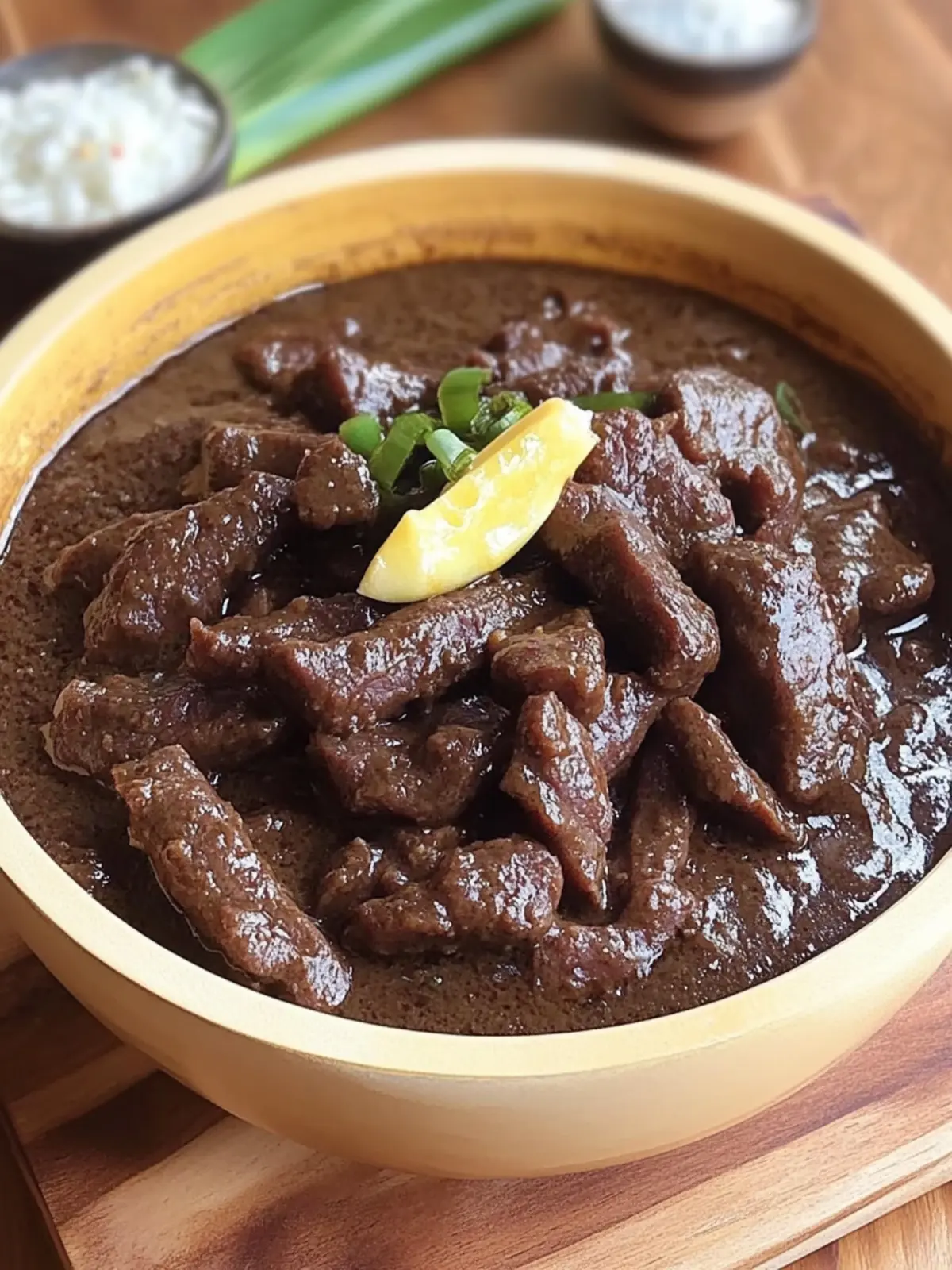
Savory Pork Dinuguan: A Flavorful Filipino Stew Adventure
Ingredients
Equipment
Method
- Heat oil: In a pot over medium heat, pour in the canola oil. Allow it to warm for a minute, then sauté the ginger, onion, and garlic until they become limp and fragrant—about 3-4 minutes.
- Add flavors: Stir in the tamarind powder and vinegar, ensuring to cover the pot but leave it uncovered for 5 minutes.
- Simmer: Pour in the water and add the finger chilies. Bring to a boil, then cover and reduce heat. Let simmer for about 20 minutes.
- Incorporate blood: Gradually pour in the pork blood while stirring constantly. Let it simmer for an additional 15 minutes.
- Season: Finish by seasoning with salt and more ground pepper to taste. Serve hot over steamed rice, puto, or pandesal.