
As I stood in my kitchen one rainy evening, the scent of simmering onions and savory broth filled the air, transporting me straight to my favorite Japanese izakaya. Oyakodon—a delightful clash of flavors—had become my go-to comfort food, offering both warmth and nostalgia in a single bowl. This chicken and egg rice dish is a perfect answer to the question of what to whip up on a busy weeknight.
Imagine tender chicken thighs bathing in a rich, umami-filled broth, paired with glossy, softly cooked eggs, all cradled over fluffy short-grain rice. It not only satisfies the cravings for something fulfilling but also embodies the essence of family-style home cooking. And the best part? You can pull this incredibly satisfying meal together in just 20 minutes! Whether you’re cooking for the family or enjoying a quiet solo dinner, Oyakodon will remind you that delicious meals don’t require hours in the kitchen.
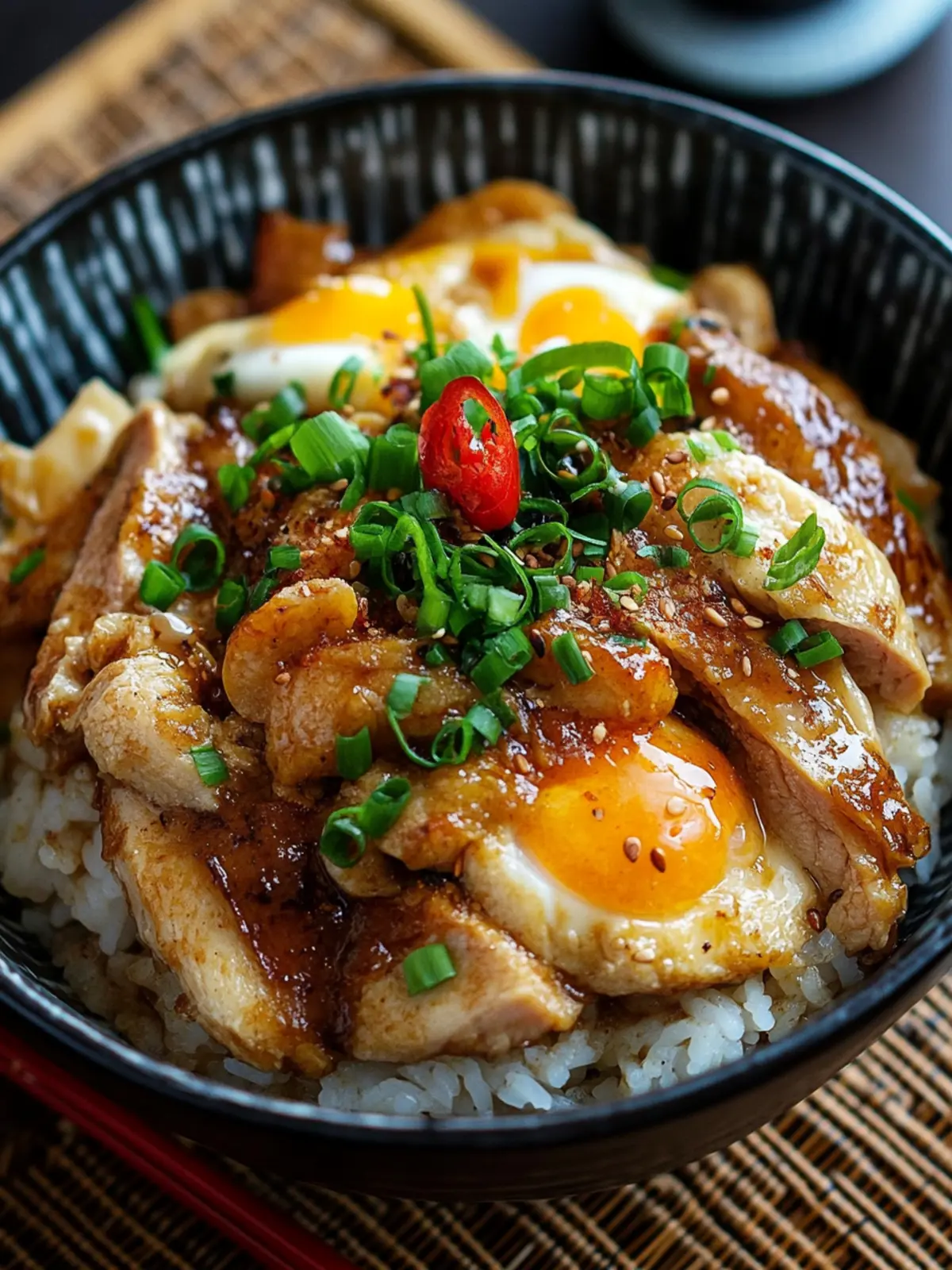
Why is Oyakodon a Must-Try Dish?
Comforting Warmth: The delightful blend of chicken and egg in a savory broth makes Oyakodon the ultimate comfort food, warming you from the inside out.
Quick Preparation: With just 20 minutes required, this recipe fits perfectly into your busy weeknight routine.
Flavorful Umami: The use of dashi or chicken broth, along with soy sauce and mirin, creates a rich depth of flavor that is hard to resist.
Family-Friendly: This dish is not only satisfying for adults but also appeals to children, making it an easy choice for family meals.
Versatile Options: Oyakodon can easily accommodate variations, such as adding tofu for a vegetarian twist or spicing it up with chili paste—your dinner, your way!
Oyakodon Ingredients
For the Chicken
- Oil – Essential for cooking; use any neutral oil like vegetable or canola for best results.
- Chicken Thighs (4, skin-on and boneless) – Provides rich flavor and crispy texture; substitute with boneless skinless breasts for a lighter option.
For the Broth
- Dashi or Chicken Broth (2 cups) – Forms the base of the dish; dashi offers a traditional umami flavor. Chicken broth can also be used if dashi is unavailable.
- Onions (2, sliced) – Adds sweetness and depth; yellow or sweet onions are preferred for maximum flavor.
- Low Sodium Soy Sauce (4 tablespoons) – Contributes necessary saltiness and umami; opt for low sodium to control salt levels.
- Mirin (4 tablespoons) – A sweet rice wine that balances the flavors; if you lack mirin, a mix of sugar and water works as a substitute.
- Sugar (4 teaspoons) – Enhances sweetness; adjust to taste for your perfect balance.
For the Eggs and Rice
- Eggs (4, lightly beaten) – Adds creaminess and richness; ensure freshness, opting for pasteurized if consuming raw.
- Cooked Short Grain Rice (4 cups) – Acts as the satisfying base; short grain is recommended for its sticky texture.
For Garnishing
- Green Onions (2, sliced) – Provides a fresh crunch and a pop of color to your finished Oyakodon.
This rich and delightful Oyakodon recipe effortlessly brings the comforting taste of home-cooked meals into your kitchen. Perfect for busy weeknights, it’s a dish that not only warms the heart but also nourishes the soul!
How to Make Oyakodon
-
Heat the Oil: Start by heating a tablespoon of neutral oil in a large pan over medium-high heat. You want it hot enough to sizzle when you add the chicken.
-
Cook the Chicken: Place the seasoned chicken thighs skin-side down in the pan. Cook until they turn golden brown and crispy, about 5-7 minutes. Flip them and cook the other side until just cooked through.
-
Make the Broth: Remove the chicken from the pan and set it aside. Add the dashi or chicken broth, sliced onions, soy sauce, mirin, and sugar to the same pan. Bring it to a simmer and cook for about 5 minutes, until the onions are tender and sweet.
-
Add the Eggs: Pour the beaten eggs over the simmering onion mixture, then gently return the chicken to the pan. Cover it and let it sit for 1-2 minutes, just until the eggs set but are still slightly runny.
-
Serve the Rice: Divide the cooked short-grain rice into four bowls. Spoon the chicken and egg mixture generously over the rice, making sure to include plenty of the flavorful broth.
-
Garnish: Finally, sprinkle the sliced green onions on top for a fresh touch before serving.
Optional: A drizzle of spicy chili sauce can add a delightful kick!
Exact quantities are listed in the recipe card below.
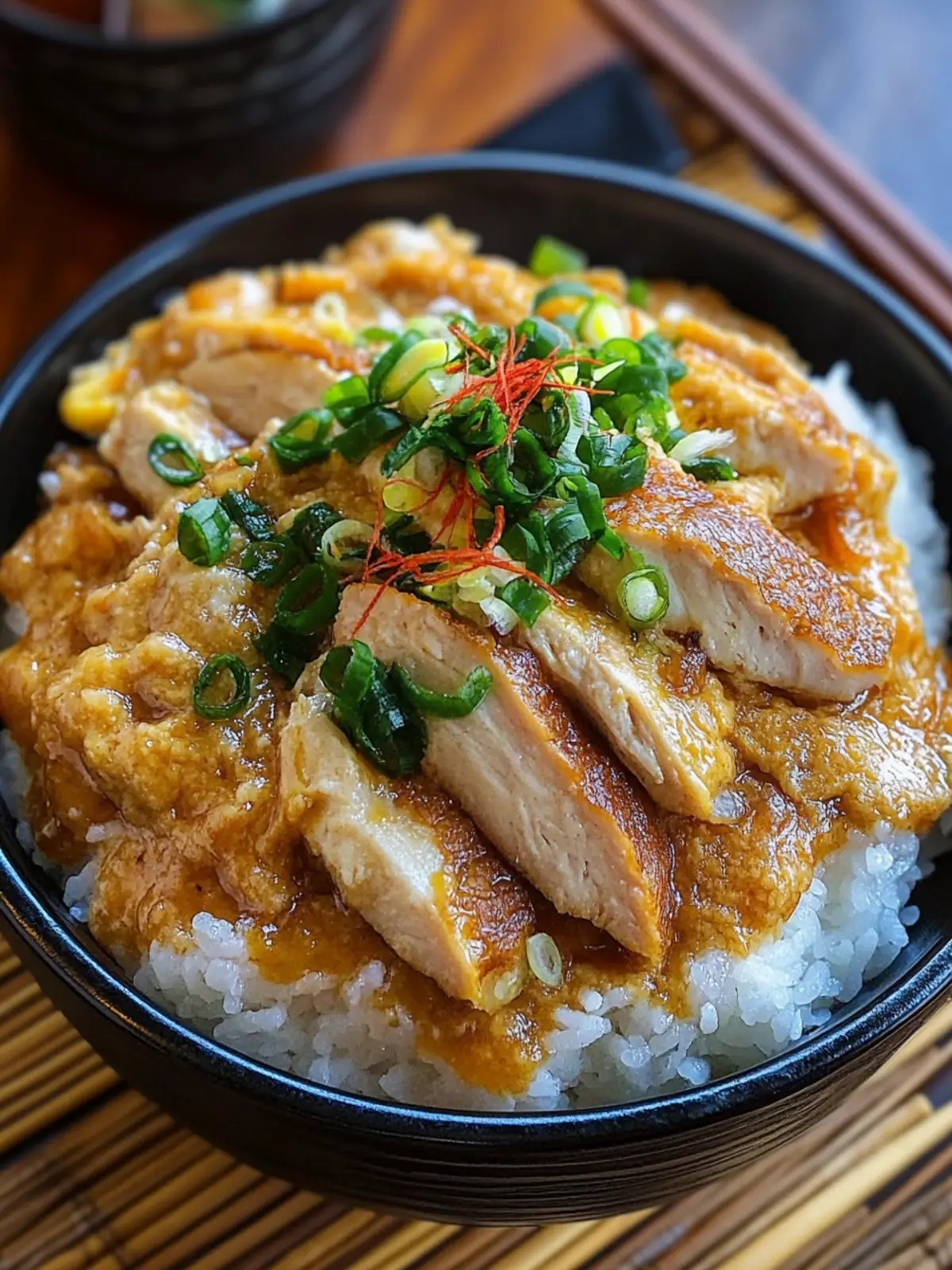
What to Serve with Oyakodon?
Transform your Oyakodon into a complete and satisfying meal with these delightful pairings.
-
Miso Soup: A warm bowl of miso soup adds a comforting and umami-rich flavor that complements the savory notes of Oyakodon beautifully.
-
Pickled Vegetables: The tangy crunch of pickled vegetables offers a refreshing contrast that brightens each bite, making it a perfect side.
-
Steamed Broccoli: Lightly steamed broccoli provides a vibrant green element and a nutritious balance, enhancing the meal’s texture and color.
-
Sesame Spinach Salad: A quick salad dressed with sesame oil and soy sauce adds a nutty flavor and vibrant freshness, creating a well-rounded dinner.
-
Fried Tofu: Crispy, golden-brown tofu can be served alongside for an extra protein boost; a drizzle of soy sauce elevates the flavor even more.
-
Japanese Rice Cakes (Mochi): These chewy rice cakes offer a sweet finish to your meal, bringing an authentic taste of Japan to your table.
-
Green Tea: A warm cup of green tea complements the savory richness of Oyakodon, providing a soothing end to your dining experience.
Every pairing brings its unique charm, allowing you to craft a memorable meal that encapsulates the warmth and comfort of Japanese cuisine.
Make Ahead Options
These innovative Oyakodon preparations are perfect for busy home cooks looking to save time without sacrificing flavor! You can prep the chicken and onion broth mixture up to 24 hours in advance, refrigerating it in an airtight container. Simply cook the chicken, combine it with the broth ingredients, and let them mingle in the fridge to enhance the flavors. The short-grain rice can also be cooked ahead and stored for up to 3 days—just reheat it with a splash of water to restore its fluffy texture. When you’re ready to serve, heat the prepared broth and chicken mixture, add the beaten eggs at the last moment, and spoon it over the warm rice for a delightful meal that feels just as fresh as if made on the spot!
Oyakodon Variations & Substitutions
Feel free to explore these delightful twists on the classic Oyakodon—your creativity in the kitchen will surely add even more joy to this comforting dish!
- Dairy-Free: Substitute eggs for silken tofu, gently warmed in the broth for a creamy texture without dairy.
- Vegetarian: Go meatless by swapping chicken for firm tofu or mushrooms, allowing the dish to retain its hearty, savory flavor.
- Spicy Twist: Add a teaspoon of chili paste to the broth for a warming kick that enhances the umami richness of the dish.
- Nutrient Boost: Stir in a handful of fresh spinach or kale during the simmering process for extra vitamins without compromising flavor.
- Umami Up: Mix in a tablespoon of miso paste into the broth for an added layer of savory depth that will wow your taste buds.
- Mixed Vegetables: Include chopped bell peppers or bok choy for a colorful and nutritious addition that brightens up every bowl.
- Citrus Zest: Grate a little yuzu or lemon zest over the finished dish for a refreshing burst of flavor that complements the savory notes.
- Noodle Option: Turn this dish into a ramen-style bowl by replacing rice with cooked udon or soba noodles for a delightful twist.
Each of these variations captures the essence of Oyakodon while inviting you to play and personalize your experience. Happy cooking!
Expert Tips for Oyakodon
-
Crispy Chicken Skin: Ensure your pan is hot enough before adding the chicken. This crucial step helps to achieve a beautifully crispy exterior.
-
Control the Salt: Always opt for low-sodium soy sauce in your Oyakodon to keep the broth from becoming overly salty, allowing the flavors to shine.
-
Egg Safety: If you prefer a richer Oyakodon with a raw yolk on top, remember to use pasteurized eggs to ensure safety for your family.
-
Onion Selection: Choose sweet or yellow onions for a more delicate sweetness that complements the savory broth, enhancing the overall flavor profile.
-
Broth Broth Substitutes: If you don’t have dashi, high-quality chicken broth makes a suitable substitute, capturing the umami essence central to this Oyakodon dish.
How to Store and Freeze Oyakodon
Fridge: Store leftover Oyakodon in an airtight container in the refrigerator for up to 2 days. To keep the flavors fresh, separate the rice from the broth and toppings if possible.
Freezer: For longer storage, you can freeze Oyakodon for up to 1 month. Just keep the rice separate from the chicken and broth in airtight containers or freezer bags to prevent freezer burn.
Reheating: When you’re ready to enjoy leftovers, gently reheat on the stovetop. Add a splash of broth and cook over low heat until warmed through, reviving the comforting flavors of your Oyakodon.
Make-Ahead Tips: If you plan to prepare this dish in advance, cook the chicken and broth ahead of time. Store them separately, and assemble just before serving for the best texture and taste.
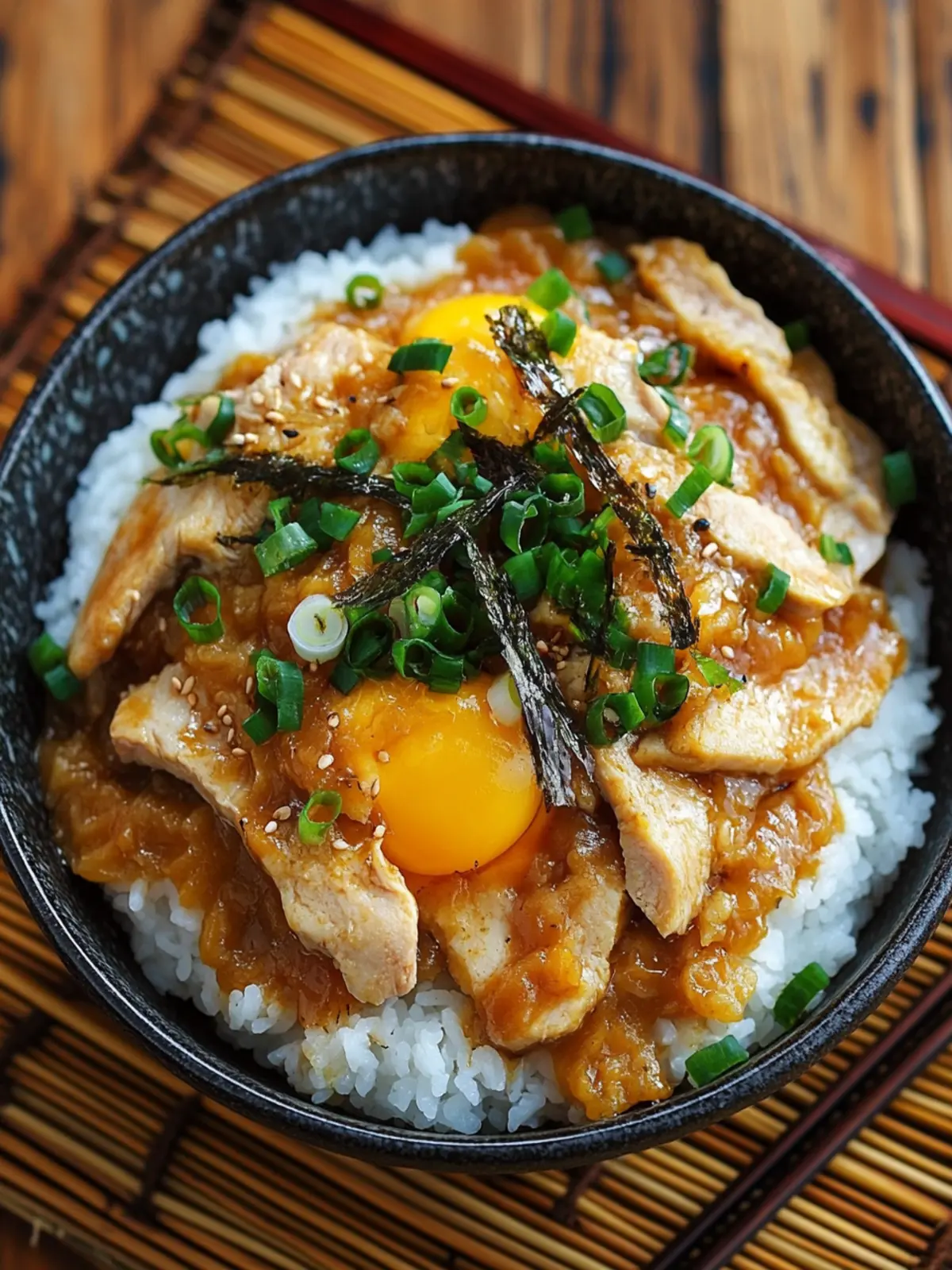
Oyakodon Recipe FAQs
How do I choose the right chicken for Oyakodon?
Absolutely! I recommend using skin-on, boneless chicken thighs as they provide the best flavor and texture. If you prefer a lighter option, boneless skinless chicken breasts can be a great substitute. Just be mindful that breasts can dry out more easily, so adjust cooking times accordingly.
How should I store leftover Oyakodon?
Very! You can store leftover Oyakodon in an airtight container in the refrigerator for up to 2 days. To maintain freshness, it’s best to keep the rice separate from the chicken and broth if possible. When ready to eat, simply reheat the chicken and broth gently on the stovetop with a splash of dashi or chicken broth.
Can Oyakodon be frozen?
Sure thing! To freeze, portion out the Oyakodon into airtight containers or freezer bags, keeping the rice separate from the chicken and broth. This will prevent freezer burn and maintain the quality. You can freeze it for up to 1 month. When you’re ready to enjoy it, thaw in the fridge overnight, then reheat on the stove, adding a small amount of broth to bring it back to life.
What should I do if my broth turns out too salty?
No worries! If you find your broth to be too salty, you can dilute it with a little water or additional unsalted broth. Start by adding a tablespoon at a time until you reach your desired taste. If you’re using too much soy sauce initially, consider switching to low sodium options in your next batch to help keep the flavors balanced.
Are there any dietary considerations with Oyakodon?
Absolutely! If you have allergies or dietary restrictions, keep in mind this recipe contains soy sauce, which is made from wheat and can trigger gluten sensitivities in some individuals. Additionally, if you’re prepping meals for tiny diners or anyone with egg allergies, I recommend skipping the raw yolk topping. For a vegetarian version, simply use tofu in place of chicken and keep the rest of the ingredients as is!
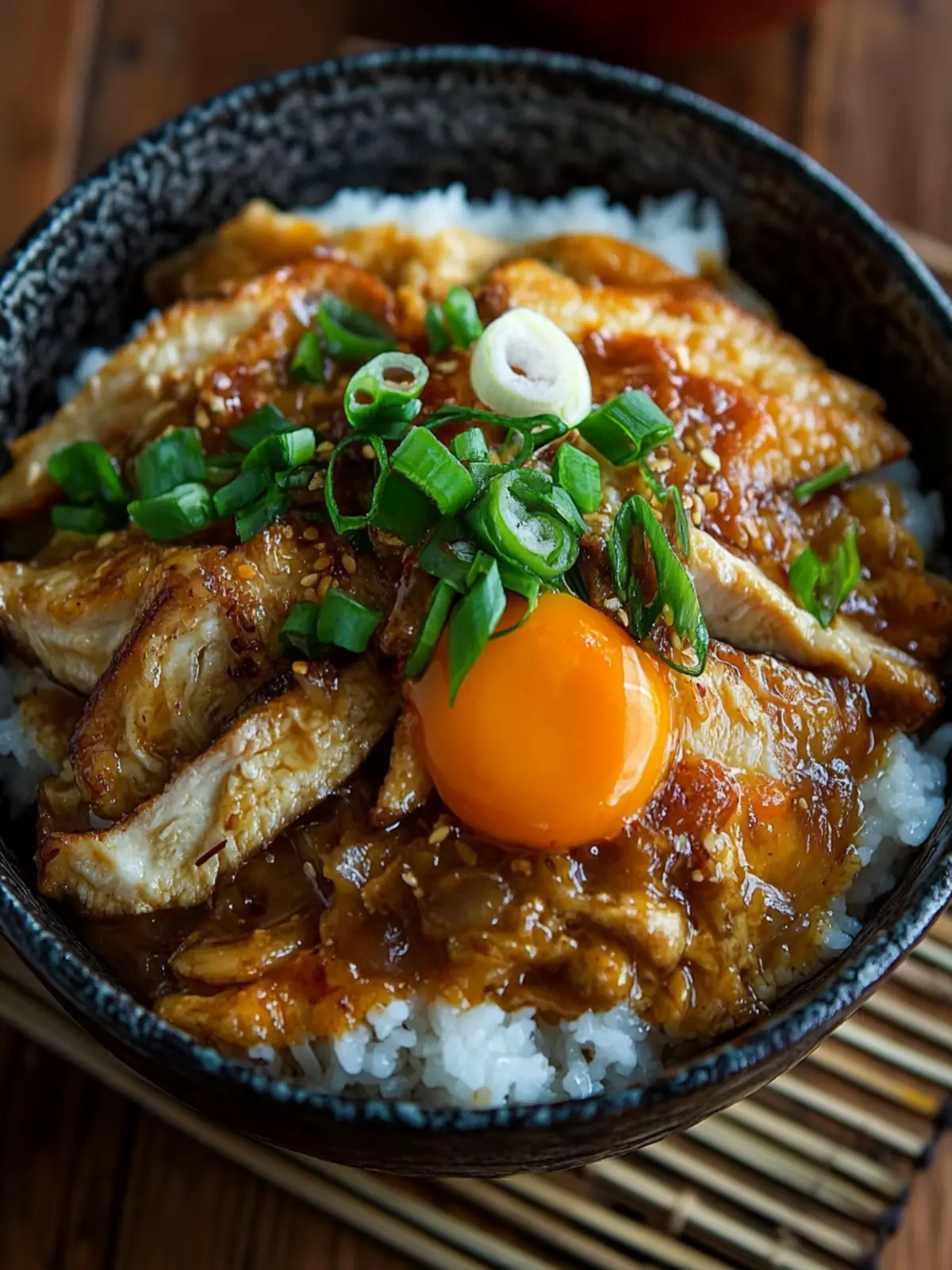
Savory Oyakodon: Whip Up This Cozy Chicken and Egg Bowl
Ingredients
Equipment
Method
- Start by heating a tablespoon of neutral oil in a large pan over medium-high heat.
- Place the seasoned chicken thighs skin-side down in the pan. Cook until they turn golden brown and crispy, about 5-7 minutes.
- Remove the chicken from the pan and set it aside. Add the dashi or chicken broth, sliced onions, soy sauce, mirin, and sugar to the same pan. Bring it to a simmer and cook for about 5 minutes.
- Pour the beaten eggs over the simmering onion mixture, then gently return the chicken to the pan. Cover it and let it sit for 1-2 minutes.
- Divide the cooked short-grain rice into four bowls. Spoon the chicken and egg mixture generously over the rice.
- Finally, sprinkle the sliced green onions on top for a fresh touch before serving.