
There’s something truly satisfying about a vibrant bowl of Vegan Sapasui, a Samoan-inspired chop suey that’s completely plant-based and bursting with flavor. As the colors of the dish come together—the golden tofu, crisp vegetables, and chewy vermicelli noodles—it becomes a feast for the eyes as well as the palate. I discovered this recipe on a lazy Sunday afternoon, craving something that would not only ignite my taste buds but also keep meal prep quick and easy.
In just 30 minutes, you can whip up this comforting stir-fry that’s perfect for hectic weeknights or casual gatherings with friends. The combination of soy sauce, ginger, and garlic infuses the dish with an irresistible aroma, and the best part? It’s gluten-free if you opt for the right vermicelli. So whether you’re exploring new culinary adventures or simply looking to elevate your home-cooked meals, this Vegan Sapasui offers a wholesome and delicious escape from the mundane. Let’s dive in!

Why is Vegan Sapasui a Must-Try?
Quick and Easy: Whip up this delightful dish in just 30 minutes, making it perfect for busy weeknights.
Bursting with Flavor: The harmonious blend of soy sauce, ginger, and garlic adds irresistible depth to every bite.
Visual Appeal: The vibrant colors of golden tofu and fresh vegetables create a feast for the eyes.
Versatile Ingredients: Swap in seasonal veggies or proteins for a new spin on this classic recipe.
Health-Conscious Choice: Packed with protein from tofu and a plethora of vitamins from the vegetables, it’s a nutritious choice you can feel good about.
Take your taste buds on an adventure with this satisfying plant-based meal!
Vegan Sapasui Ingredients
• Discover the colorful components!
For the Tofu
- Extra Firm Tofu – Provides protein and structure; use medium tofu for a softer texture.
- Vegetable Oil – Used for sautéing; sesame oil can be an aromatic alternative.
For the Stock
- Vegan Beef Stock Powder – Adds depth and umami flavor; substitute with vegetable broth powder for a lighter option.
- Hot Water – Used to dissolve the stock powder; no substitutes needed.
For the Noodles
- Mung Bean Vermicelli – Acts as the main carbohydrate source; you can swap it for rice noodles or gluten-free soba noodles.
For the Vegetables
- Onion (large, sliced) – Adds sweetness and an aromatic base; any onion variety can work.
- Garlic Cloves (minced) – Enhances flavor; fresh garlic is best, but granules can substitute.
- Ginger (grated, 3/4 inch piece) – Offers warmth and depth; ground ginger can stand in if needed.
- Celery Rib (sliced) – Provides crunch; swap it for bell pepper or snap peas for added variety.
- Carrots (sliced) – Delivers sweetness and color; baby carrots are a convenient choice.
- Chinese Cabbage (sliced) – Contributes a mild flavor; bok choy or kale are great alternatives.
- Broccolini (cut into 3/4-inch lengths) – Adds a tender, crunchy texture; feel free to use broccoli or asparagus instead.
For Seasoning
- Soy Sauce (1/4 cup) – Contributes saltiness and richness; tamari is a gluten-free alternative.
- Ketjap Manis (2 tablespoons) – Adds sweetness and richness; mix soy sauce with brown sugar for a quick substitute.
- Vegan Beef Stock (1/2 cup) – Adds moisture and flavor; vegetable broth serves well in its place.
With these vibrant ingredients, your Vegan Sapasui promises to be a delightful, gluten-free dish that’s as pleasing to the eye as it is to the taste!
How to Make Vegan Sapasui
-
Prepare Tofu: Drain and press the extra firm tofu to remove excess moisture, then cut it into bite-sized cubes. This helps achieve that desired crispy texture when cooking.
-
Make Stock: In a bowl, combine the vegan beef stock powder with hot water, stirring until fully dissolved. This will create a flavorful base for your dish.
-
Soak Vermicelli: In a pot of boiling water, soak the mung bean vermicelli noodles for 5-7 minutes until they soften, then drain and set aside for later use.
-
Sauté Aromatics: Heat vegetable oil in a large pan over medium-high heat. Add the sliced onions, minced garlic, and grated ginger. Sauté until fragrant and the onions turn translucent.
-
Cook Vegetables: Add the sliced celery, carrots, Chinese cabbage, and broccolini to the pan. Sauté for 4-5 minutes until the vegetables are tender-crisp—this keeps them bright and crunchy!
-
Combine Ingredients: Stir in the pressed tofu and soaked vermicelli along with the dissolved stock and soy sauces. Cook for a few more minutes until everything is heated through and flavors meld beautifully.
-
Serve: Taste and adjust seasoning if needed—serve your beautiful Vegan Sapasui warm, and enjoy the vibrant flavors!
Optional: Garnish with fresh herbs or a sprinkle of sesame seeds for an added touch.
Exact quantities are listed in the recipe card below.
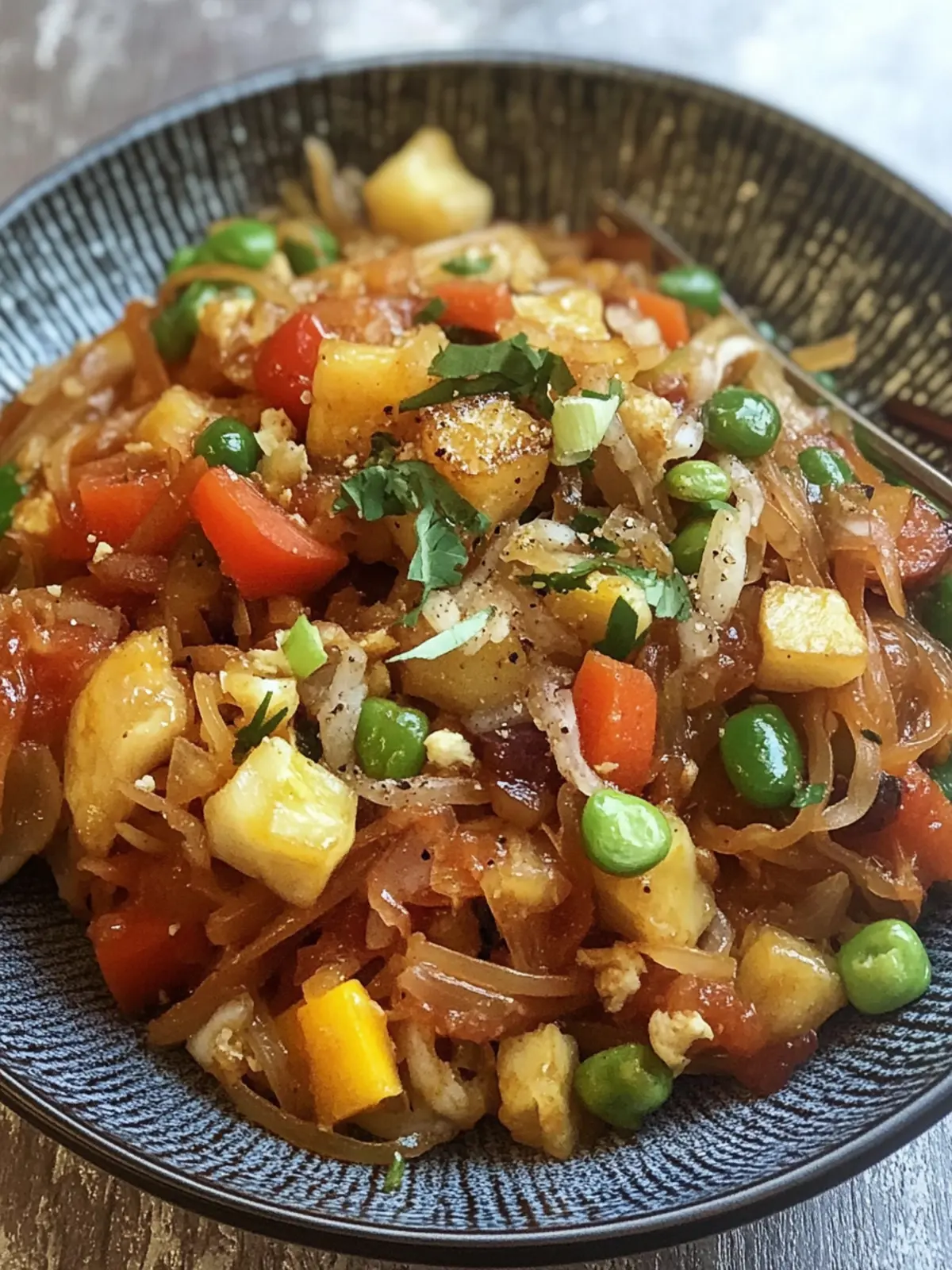
Helpful Tricks for Vegan Sapasui
-
Press Tofu Well: Ensure you drain and press the extra firm tofu thoroughly to prevent excess moisture that can dilute flavors during cooking.
-
Perfectly Cooked Noodles: Soak the mung bean vermicelli in boiling water until tender, then drain well to keep the dish from becoming watery.
-
Stir Frequently: While sautéing, stir the vegetables consistently to avoid sticking and ensure they cook evenly, which enhances the texture.
-
Taste as You Go: Adjust the soy sauce in your Vegan Sapasui gradually, tasting as you go to avoid over-salting and achieve your desired flavor profile.
-
Add Seasonal Veggies: Don’t hesitate to swap in seasonal vegetables based on what’s fresh; this can add variety and a unique twist to your Vegan Sapasui!
What to Serve with Vegan Sapasui?
Enjoy the vibrant flavors of this delightful dish with the perfect sides and drinks to create a complete meal experience.
-
Steamed Jasmine Rice: Complements the flavors beautifully while adding a delightful starchiness to the meal. Perfect for soaking up the rich sauce!
-
Crispy Spring Rolls: These crunchy bites provide a contrasting texture and are ideal for dipping in soy sauce or sweet chili sauce, adding a playful element to your dinner. Pairing them with your Vegan Sapasui makes for a delightful culinary adventure.
-
Garlic Edamame: Offering a protein-packed, savory snack, these young soybeans add both nutrition and fun to your table. The garlic enhances the flavor, making this a fantastic starter before your main event.
-
Fresh Garden Salad: A light and refreshing salad with a tangy vinaigrette throws in a burst of freshness and balances out the richness of the tofu dish nicely. Toss in seasonal veggies for extra crunch!
-
Coconut Curry Soup: Warm and comforting, this fragrant soup harmonizes flavors with the Vegan Sapasui while keeping it vegan and gluten-free. Perfect for sipping alongside!
-
Mango Sticky Rice: For a sweet finish, this dessert offers a luscious coconut flavor that complements the savory notes of the main dish. It’s a heavenly meal-ending treat!
How to Store and Freeze Vegan Sapasui
Fridge: Store leftovers in an airtight container for up to 3 days. This ensures the flavors remain intact while keeping the dish fresh.
Freezer: For longer storage, freeze Vegan Sapasui in a tightly sealed container for up to 3 months. Thaw in the fridge overnight before reheating.
Reheating: Reheat gently on the stove over low heat, adding a splash of water or soy sauce to restore moisture. Stir frequently until heated through.
Storage Tip: To keep the vegetables crisp, consider storing the noodles separately if you plan to freeze portions.
Make Ahead Options
These Vegan Sapasui are perfect for meal prep enthusiasts! You can prepare the tofu and vegetables up to 24 hours in advance. Simply drain, press, and cube the tofu, then sauté the aromatics and chop your vegetables (celery, carrots, Chinese cabbage, and broccolini) before storing them in an airtight container in the fridge. To maintain their crispness, avoid cooking them too far in advance—keeping them raw helps preserve their vibrant textures. When you’re ready to serve, just soak the vermicelli, sauté everything together, and stir in the prepared stock and sauces for a delicious meal that’s just as flavorful as when freshly made!
Vegan Sapasui Variations
Feel free to sprinkle your own culinary magic into this dish with these fun and tasty twists!
-
Colorful Veggies: Add vibrant seasonal vegetables like bell peppers, zucchini, or snap peas to enhance color and nutrients.
-
Protein Boost: Swap in tempeh or chickpeas instead of tofu for a delightful change in flavor and texture. Both options are protein powerhouses!
-
Spicy Kick: Toss in chili flakes or fresh jalapeños for an exciting heat that’s sure to wake up your taste buds. A little spice can transform the dish wonderfully.
-
Sweet Alternative: For a twist on sweetness, mix in a touch of maple syrup alongside the soy sauce, introducing a new flavor layer that’s subtly delightful.
-
Herb Infusion: Incorporate fresh herbs like basil or cilantro at the finish for an aromatic pop. It’s a fantastic way to freshen up flavors and brighten the dish!
-
Nutty Flavor: Drizzle sesame oil over the top before serving. This brings an entirely new dimension and richness to your Vegan Sapasui.
-
Texture Contrast: Top with crispy fried shallots or peanuts for added crunch and a satisfying textural contrast against the soft noodles and tofu.
-
Coconut Creaminess: Stir in some coconut milk towards the end of cooking for an ultra-creamy, luscious sauce. This addition makes every bite feel indulgent!
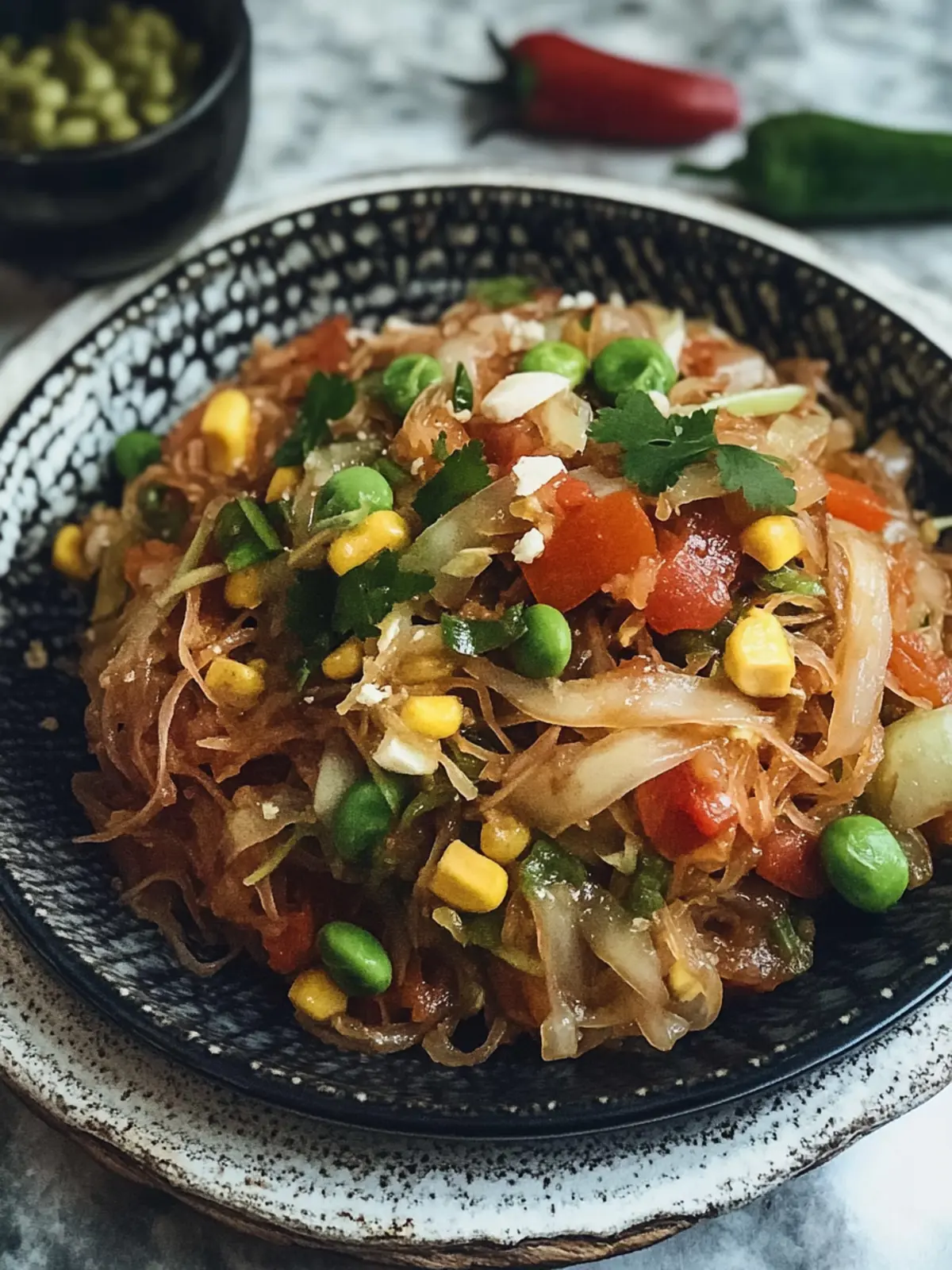
Vegan Sapasui Recipe FAQs
What type of tofu is best to use for Vegan Sapasui?
Absolutely! Extra firm tofu is ideal for this recipe as it provides a lovely texture and holds up well during cooking. If you prefer a softer bite, you can use medium tofu, but keep in mind that it may not achieve the same crispy finish.
How should I store leftover Vegan Sapasui?
Leftovers can be stored in an airtight container in the refrigerator for up to 3 days. When you’re ready to enjoy it again, just reheat gently on the stove until warmed through.
Can I freeze Vegan Sapasui?
Certainly! To freeze, place the Vegan Sapasui in a tightly sealed container and enjoy it for up to 3 months. For the best texture, consider freezing the noodles separately if you’re planning ahead. Thaw the dish in the fridge overnight before reheating, and add a splash of water or soy sauce to retain moisture while warming it on low heat.
What if my vegetables become mushy when cooking?
Very good question! To prevent mushiness, be sure to sauté the vegetables only until they’re tender-crisp. Stir frequently to keep them from sticking and reduce cooking time. If you find that they’re overcooked despite your efforts, try adding a splash of cold water or a squeeze of lemon juice to brighten their flavors.
Are there any dietary considerations I should be aware of?
Absolutely! Vegan Sapasui is gluten-free if you choose gluten-free vermicelli. Additionally, ensure that any sauces like soy or ketjap manis are also labeled gluten-free. For those with soy allergies, consider using chickpeas or mushrooms for protein instead of tofu, although this will change the dish’s texture significantly.
Can I use different vegetables in Vegan Sapasui?
The more the merrier! Feel free to swap in seasonal vegetables like bell peppers, zucchini, or snap peas for a unique twist on the classic. Just keep an eye on the cooking times, as some veggies may require either longer or shorter cooking periods to reach your desired texture.
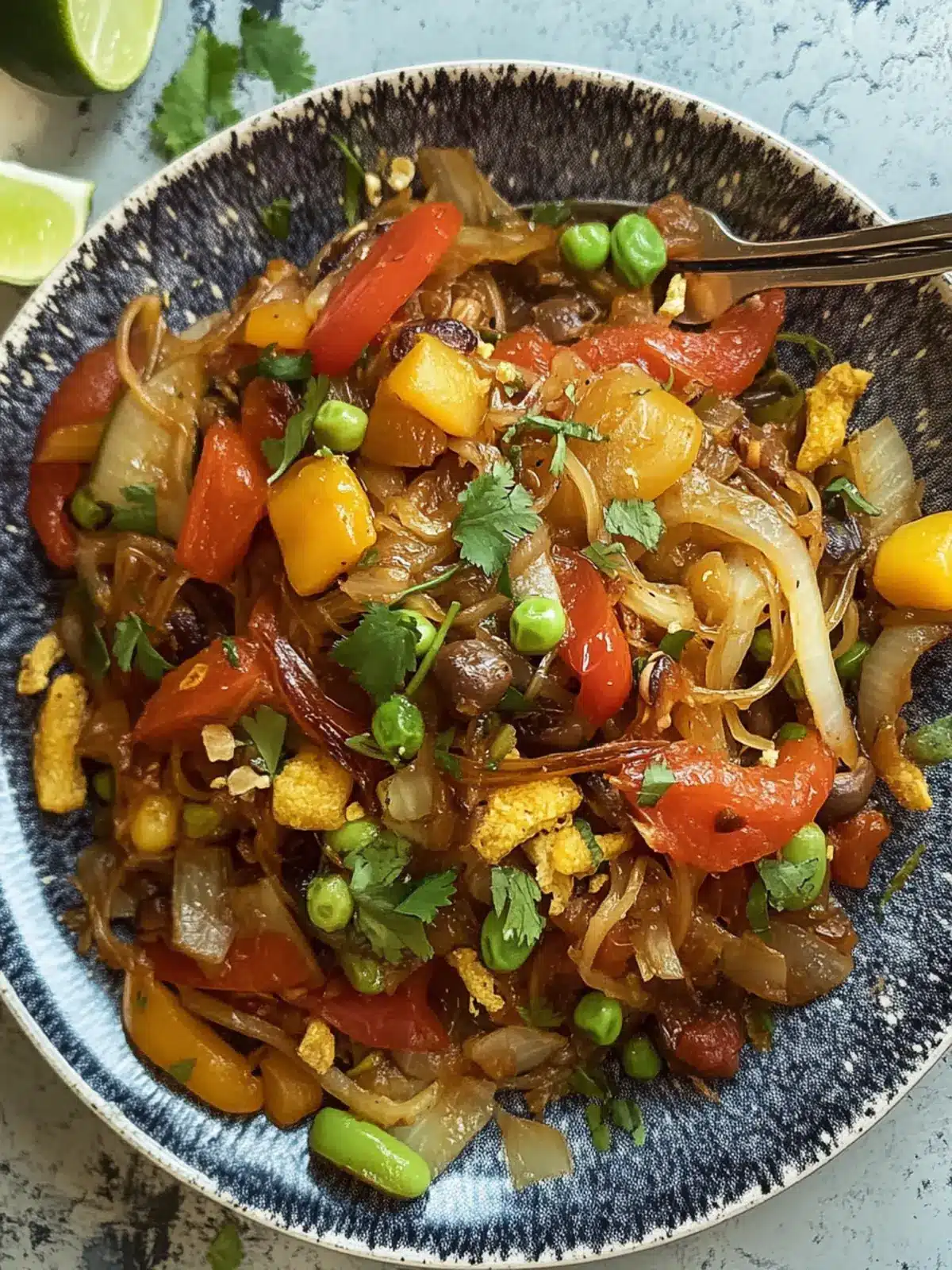
Vegan Sapasui: A Colorful Twist on Samoan Chop Suey
Ingredients
Equipment
Method
- Drain and press the extra firm tofu to remove excess moisture, then cut it into bite-sized cubes.
- In a bowl, combine the vegan beef stock powder with hot water, stirring until fully dissolved.
- In a pot of boiling water, soak the mung bean vermicelli noodles for 5-7 minutes until they soften, then drain and set aside.
- Heat vegetable oil in a large pan over medium-high heat. Add the sliced onions, minced garlic, and grated ginger. Sauté until fragrant and the onions turn translucent.
- Add the sliced celery, carrots, Chinese cabbage, and broccolini to the pan. Sauté for 4-5 minutes until the vegetables are tender-crisp.
- Stir in the pressed tofu and soaked vermicelli along with the dissolved stock and soy sauces. Cook for a few more minutes until everything is heated through.
- Taste and adjust seasoning if needed—serve your beautiful Vegan Sapasui warm, and enjoy!