
As the week drags on, the quest for quick and flavorful meals often leads to the same tired takeout. But what if I told you that you can whip up something delicious, nutritious, and downright satisfying in just 30 minutes? Enter the Gochujang Beef Bowls—my newfound favorite for busy weeknights!
This vibrant dish combines the boldness of Korean gochujang with tender beef and a rainbow of fresh veggies, all resting on a fluffy bed of jasmine rice. The beauty of this recipe lies not only in its explosive flavors of spicy and umami but also in its versatility. You can easily adapt it to cater to any dietary needs—swap in ground turkey or plant-based proteins, and pile on your choice of toppings.
Whether you’re feeding a family or meal prepping for the week ahead, these Gochujang Beef Bowls provide a hearty dose of comfort without the guilt of fast food. Let me show you how to bring this crowd-pleasing gem from your kitchen to the table in a flash!

Why are Gochujang Beef Bowls a must-try?
Quick and Easy: In just 30 minutes, you can create a flavorful meal that rivals your favorite takeout. Customizable Options: This recipe adapts easily to various dietary preferences, whether you prefer beef, chicken, or plant-based protein. Flavor Explosion: Bold gochujang delivers a perfect balance of spicy, sweet, and umami tastes. Healthy Ingredients: Packed with fresh vegetables, this dish is not just tasty but also nutritious. Meal Prep Favorite: The beef mixture can be made ahead of time, making busy weeknights a breeze. Enjoy a comforting dinner that your whole family will love!
Gochujang Beef Bowls Ingredients
Transform your meal planning with these vibrant Gochujang Beef Bowls!
For the Beef
- Ground Beef – The hearty base of this dish, full of flavor and protein; feel free to substitute with ground turkey, chicken, or plant-based meat alternatives.
- Sesame Oil – Adds a nutty depth; can be swapped with any neutral cooking oil.
- Garlic – Freshly minced for aromatic flair; use fresh cloves for the best taste.
- Ginger – Freshly grated lends zesty brightness; if needed, you can use ground ginger in smaller amounts.
- Gochujang – The star ingredient providing rich heat and umami; mix red pepper flakes and sugar for a milder version if desired.
- Soy Sauce – Offers a necessary saltiness; opt for tamari for a gluten-free option.
- Rice Vinegar – Helps balance flavors with its acidity; apple cider vinegar can serve as an alternative.
- Honey – Sweetens the sauce beautifully; agave syrup or maple syrup can work instead.
For the Toppings
- Toasted Sesame Seeds – A crunchy garnish that enhances flavor; can be omitted if preferred.
- Green Onions – Freshness at its finest; substitute with chives if you’re out of green onions.
- Shredded Carrots, Cabbage, Cucumber – Provide crunch and vibrant color; feel free to experiment with your favorite salad vegetables.
- Fresh Cilantro – Adds a refreshing touch; skip if you’re not a fan of cilantro.
- Kimchi (optional) – A tangy addition that pairs perfectly; any fermented vegetable can be used here.
- Fried or Soft-Boiled Egg (optional) – Introduces richness; omit if you’re aiming for a lighter meal.
For the Base
- Jasmine Rice – The perfect fluffy foundation for these bowls; switch to quinoa or any rice of your choice.
These Gochujang Beef Bowls are not just a feast for your eyes but also an unwavering comfort for your soul, promising a delicious dinner in a snap!
How to Make Gochujang Beef Bowls
-
Cook Rice: Begin by cooking jasmine rice according to the package instructions. This will take about 15 minutes, so set it aside once fluffy and tender.
-
Heat Oil: In a large skillet, heat 1 tablespoon of sesame oil over medium heat. Allow it to warm up for about 1 minute, then add minced garlic and grated ginger, sautéing until fragrant.
-
Brown the Beef: Add 1 pound of ground beef to the skillet, cooking it for 5-7 minutes until it’s browned and cooked through. Make sure to break it apart into smaller pieces for a nice texture.
-
Add Sauce Ingredients: Stir in 2 tablespoons of gochujang, 2 tablespoons of soy sauce, 1 tablespoon of rice vinegar, and 1 tablespoon of honey. Simmer for 2-3 minutes, letting the sauce thicken slightly.
-
Mix in Garnishes: Remove the skillet from heat and fold in 1 tablespoon of toasted sesame seeds and chopped green onions. This adds flavor and a lovely crunch.
-
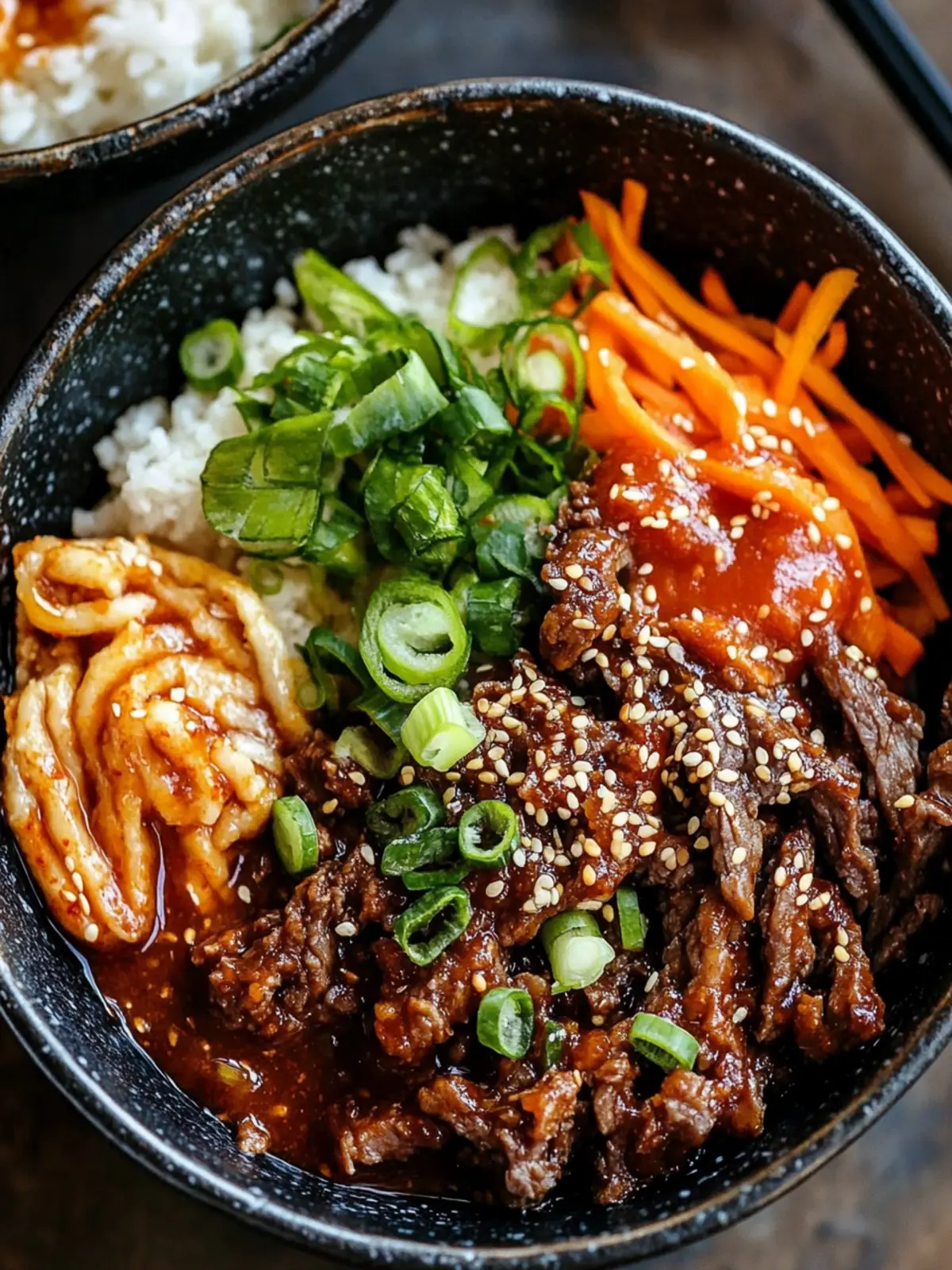
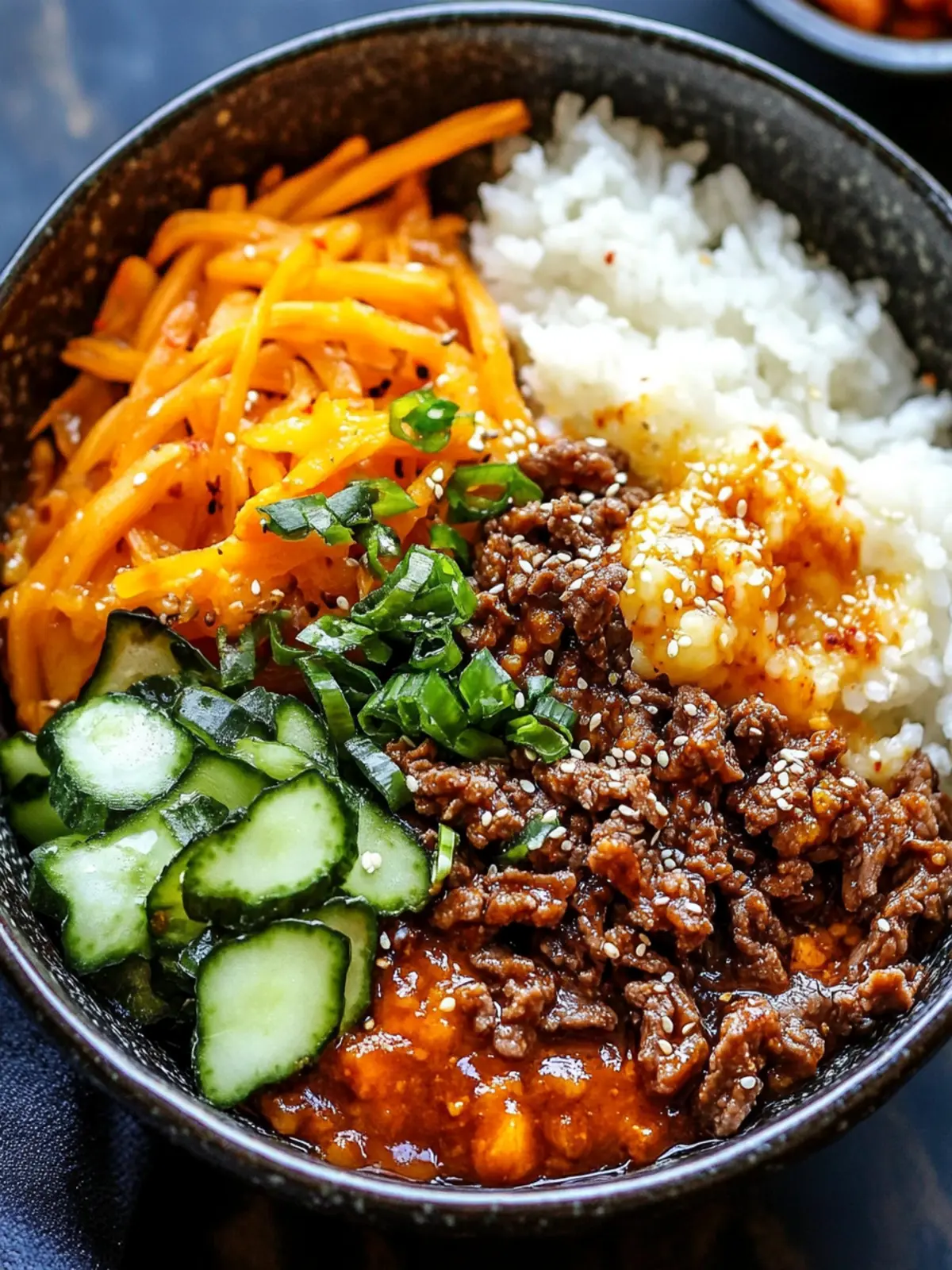
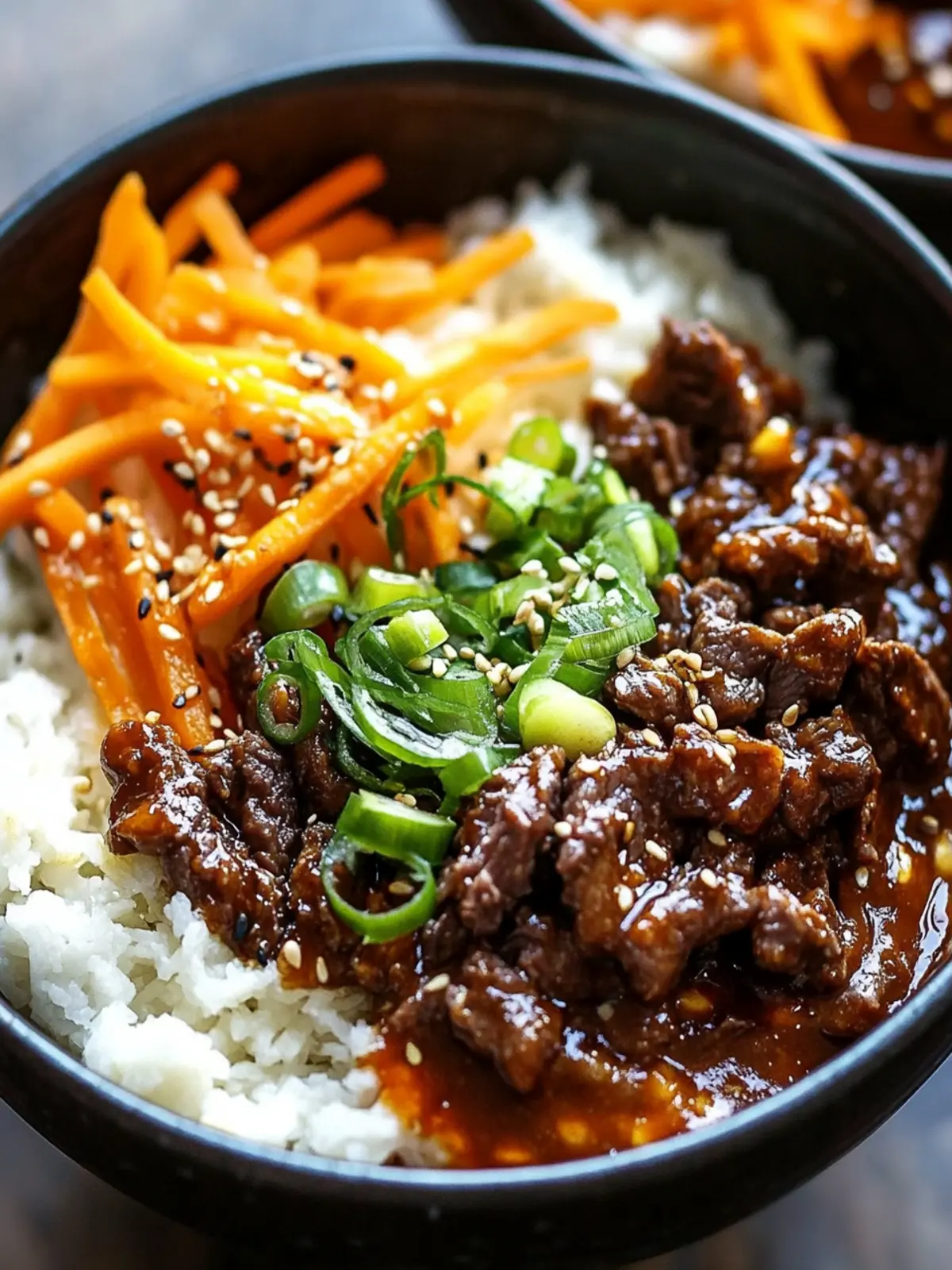
Assemble Bowls: In serving bowls, layer the cooked jasmine rice, then top with the gochujang beef. Add shredded carrots, cabbage, cucumber, and fresh cilantro on top for a burst of color and freshness.
-
Optional Toppings: If desired, garnish with kimchi and a fried or soft-boiled egg for extra richness. Serve warm and enjoy the delightful medley of flavors!
Optional: Drizzle a little extra sesame oil for added richness and flavor.
Exact quantities are listed in the recipe card below.
Make Ahead Options
These Gochujang Beef Bowls are a meal prep dream come true! You can prepare the flavorful beef mixture up to 3 days in advance; simply refrigerate it in an airtight container to maintain its quality. For optimal freshness, cook your jasmine rice and store it separately; it can also be kept in the fridge for about 3 days. When you’re ready to serve, reheat the beef in a skillet over medium heat until warmed through, adding a splash of water if necessary to loosen the sauce. Layer the warm beef over freshly cooked rice, and top with your choice of vegetables for that delightful crunch! With these simple steps, you’ll enjoy a comforting meal with minimal effort during busy nights.
Gochujang Beef Bowls Variations & Substitutions
Feel free to experiment with this recipe and make it your own; there are countless ways to customize these bold bowls!
-
Dairy-Free: Omit any cheese or dairy-containing sauces and opt for coconut-based alternatives if you’re seeking creaminess.
-
Vegetarian: Swap the ground beef for crumbled tofu, tempeh, or a plant-based meat alternative for a satisfying option that still packs in protein.
-
Gluten-Free: Use tamari instead of soy sauce and double-check your gochujang for gluten-free labeling to keep this dish safe for those with dietary restrictions.
-
Spice Level Adjustment: For milder heat, reduce the gochujang and incorporate some sweet chili sauce for a delightful flavor without too much kick.
-
Flavor Boosts: Add a splash of lime or lemon juice before serving for a zesty brightness that complements the rich umami flavors.
-
Extra Crunch: Throw in a handful of crushed peanuts or cashews for added texture and a nutty twist that completes each bite.
-
Texture Twists: Mix in some cooked quinoa or wild rice for a nutty base that adds depth and enhances the overall dish.
-
Vegetable Variety: Feel free to mix in any leftover veggies you have on hand—like bell peppers, snap peas, or zucchini—to make this dish even more colorful and nutritious.
Remember, the star of this recipe is its adaptability; let your taste buds be your guide!
What to Serve with Gochujang Beef Bowls?
Elevate your meal experience by pairing these vibrant bowls with complementary sides that enhance their flavors and textures.
- Steamed Broccoli: A delightful crunch and vibrant green contrast that adds nutrition and balances the spicy kick.
- Miso Soup: This warm, savory soup pairs wonderfully, providing a comforting start to your meal. Its umami depth aligns beautifully with the gochujang flavors.
- Spicy Cucumber Salad: The refreshing crispness of cucumbers mixed with a tangy dressing cools down the heat from the bowls while adding a zesty twist.
- Quinoa: A nutty alternative to jasmine rice, quinoa introduces a protein-packed base that enriches the dish with additional texture.
- Sweet Potato Wedges: Roasted sweet potatoes bring a sweet and savory aspect, offering a perfect contrast to the spicy beef. Their all-natural sweetness is irresistible!
- Sliced Avocado: Creamy avocado provides a luscious mouthfeel and cools down the dish, balancing the spice while enriching your bites.
- Korean Pickles: These tangy, slightly sweet pickles are a fantastic addition, pairing beautifully with the beef while adding an extra layer of flavor and crunch.
- Green Tea: A calming beverage option that cleanses the palate, green tea enhances the flavor experience without overshadowing your delicious beef bowls.
- Mango Sticky Rice: A delightful and indulgent dessert offering that pairs perfectly with the spicy and savory elements of the meal. The creamy coconut complements beautifully!
- Sesame Noodles: Cold or warm, these noodles tossed in sesame sauce are a delightful starch that echoes the flavors of the beef while adding a satisfying bite.
Expert Tips for Gochujang Beef Bowls
-
Prep Ingredients First: Make sure to chop all vegetables and measure out sauces before you start cooking; this streamlines the process and enhances your cooking experience.
-
Control the Spice: Adjust the amount of gochujang to suit your taste—use less for a milder dish or add a bit of sriracha for an extra kick.
-
Don’t Overcook the Beef: Aim for a tender, juicy finish by browning the beef just until it’s fully cooked—overcooking can lead to dryness.
-
Thick Sauce Tip: Keep an eye on the sauce while simmering; it should thicken nicely but shouldn’t cling too tightly to the meat or rice.
-
Garnish Generously: Pile on the fresh vegetables and sauces; they not only add flavor and texture but also elevate the visually satisfying aspect of your Gochujang Beef Bowls.
-
Meal Prep Friendly: This Gochujang Beef mixture can be made ahead of time and reheated. Store it in the fridge for up to 3 days for a quick dinner option!
How to Store and Freeze Gochujang Beef Bowls
Fridge: Store any leftovers in an airtight container for up to 3 days. Reheat in the microwave or stovetop until heated through for a quick lunch or dinner.
Freezer: For longer storage, freeze the beef mixture in a freezer-safe container for up to 3 months. Thaw in the fridge overnight before reheating.
Reheating: Reheat on medium heat on the stovetop or in the microwave, adding a splash of water or broth to keep the mixture moist and flavorful.
Assembly Tips: When ready to enjoy, cook fresh jasmine rice and assemble your Gochujang Beef Bowls for that delicious freshness!
Gochujang Beef Bowls Recipe FAQs
What kind of meat can I use in Gochujang Beef Bowls?
Absolutely! While ground beef is the traditional choice, you can easily swap it for ground turkey, chicken, or even plant-based meat alternatives for a delicious twist.
How should I store leftovers from Gochujang Beef Bowls?
For sure! Store any leftovers in an airtight container in the fridge for up to 3 days. When you’re ready to enjoy them, simply reheat in the microwave or on the stovetop until heated through.
Can I freeze Gochujang Beef Bowls?
Yes, you can! To freeze, place the beef mixture in a freezer-safe container for up to 3 months. When you’re ready to enjoy, thaw it overnight in the fridge, then reheat on medium heat, adding a splash of water or broth to keep it moist.
How can I adjust the spice level in Gochujang Beef Bowls?
Good question! You can easily control the spice by reducing the amount of gochujang or mixing in a bit of sriracha for added heat. If you’re unsure, start small and adjust to your taste preference.
Are Gochujang Beef Bowls suitable for gluten-free diets?
Very much! Substitute regular soy sauce with tamari, a gluten-free alternative, and ensure the gochujang brand you choose is gluten-free as well. Enjoy that delightful flavor without worry!
What vegetables can I add to my Gochujang Beef Bowls?
The more the merrier! You can pile on shredded carrots, cabbage, and cucumber as per the recipe, or get creative with bell peppers, snap peas, or even avocado for a refreshing touch. Feel free to experiment with whatever veggies you love!
Gochujang Beef Bowls: Your Quick and Flavorful Dinner Fix
Ingredients
Equipment
Method
- Cook jasmine rice according to the package instructions. This will take about 15 minutes, so set it aside once fluffy and tender.
- In a large skillet, heat 1 tablespoon of sesame oil over medium heat. Allow it to warm up for about 1 minute, then add minced garlic and grated ginger, sautéing until fragrant.
- Add 1 pound of ground beef to the skillet, cooking it for 5-7 minutes until it's browned and cooked through. Make sure to break it apart into smaller pieces for a nice texture.
- Stir in 2 tablespoons of gochujang, 2 tablespoons of soy sauce, 1 tablespoon of rice vinegar, and 1 tablespoon of honey. Simmer for 2-3 minutes, letting the sauce thicken slightly.
- Remove the skillet from heat and fold in 1 tablespoon of toasted sesame seeds and chopped green onions.
- In serving bowls, layer the cooked jasmine rice, then top with the gochujang beef. Add shredded carrots, cabbage, cucumber, and fresh cilantro on top.
- If desired, garnish with kimchi and a fried or soft-boiled egg.