
There’s nothing quite like the enticing aroma of marinated pork sizzling away in the broiler, reminding me of cozy weekend evenings filled with laughter and good food. This Easy Korean Doenjang Pork (Maekjeok) recipe is a delightful culinary find, crafted for those of us who crave homemade meals that are both satisfying and quick to prepare. Marinated in rich, savory doenjang, each bite bursts with layered flavors that’ll transport you straight to a bustling Korean BBQ joint without breaking a sweat.
Whether you’re looking to impress your loved ones or simply want to enjoy a comforting meal after a long day, this dish is a stellar solution to your weeknight cooking woes. The best part? It offers versatility with minimal fuss, making it the perfect go-to for any occasion. So grab your apron, and let’s get cooking!
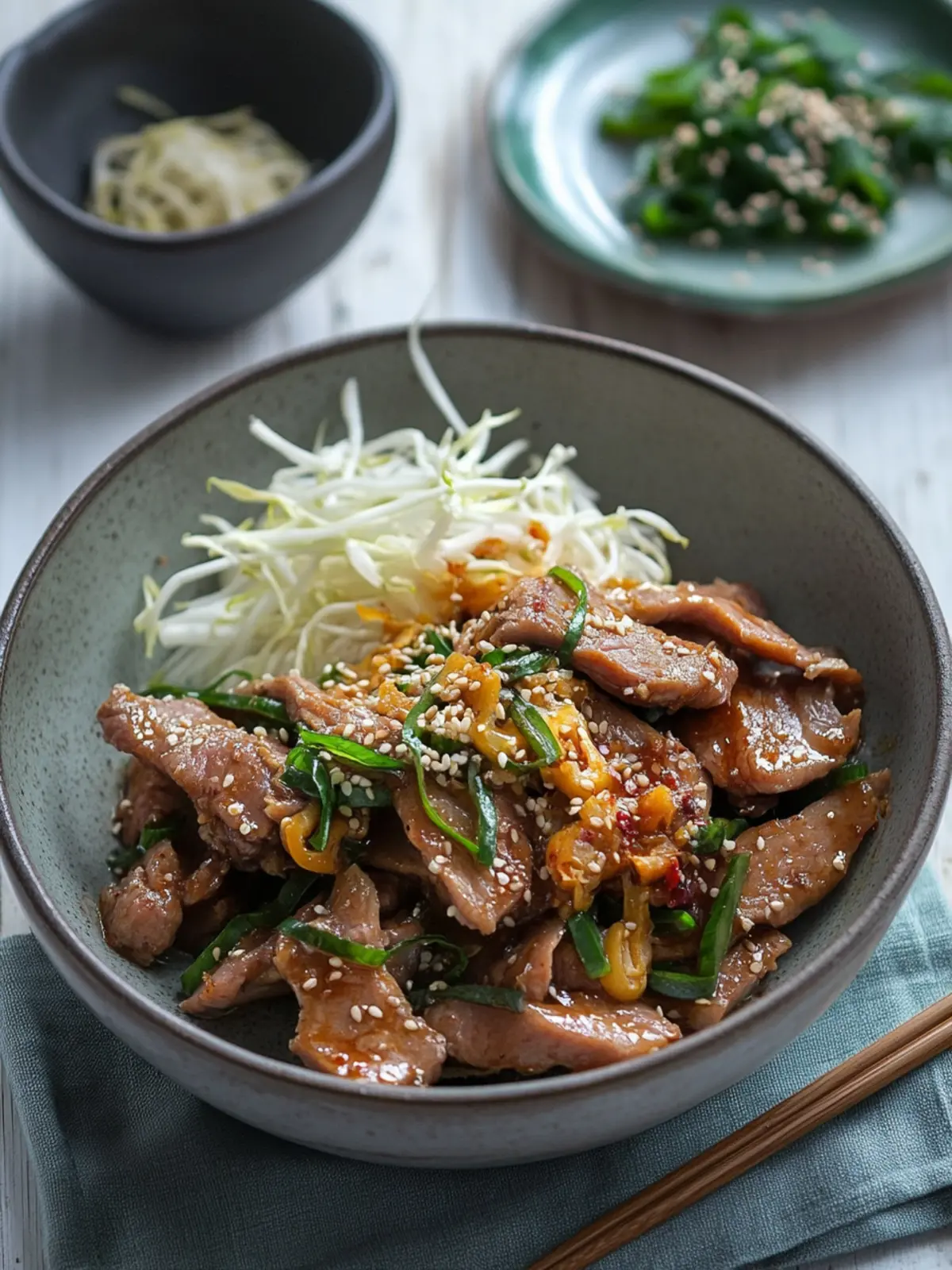
Why will you love Doenjang Pork (Maekjeok)?
Simplicity at Its Best: This recipe comes together quickly, making it perfect for those busy weeknights.
Rich, Savory Flavor: The unique blend of traditional soybean paste infuses the pork with mouthwatering taste.
Effortless Prep: A short marination time and easy broiling mean minimal fuss in the kitchen.
Crowd-Pleasing Appeal: Perfect for family dinners or BBQ gatherings, this dish is sure to impress.
Versatile Options: Feel free to experiment with different cuts of pork and side salads to suit your taste.
Quick Cleanup: With just a baking sheet and a bowl to clean, you can enjoy this delicious meal without the hassle.
Doenjang Pork Ingredients
For the Pork
• Pork Neck (Shoulder) – 1 1/2 lb (680 g); thinly sliced for quick cooking. Substitute with pork belly or shoulder if needed.
• Korean Soybean Paste (Doenjang) – 4 tbsp (60 g); provides deep umami flavor and richness. Miso can be used as a substitute for a different taste.
• Korean Soup Soy Sauce (Gukganjang) – 1 tbsp (15 ml); enhances the flavor with saltiness. Regular soy sauce may alter the depth of flavor.
• Water – 4 tbsp (60 ml); used to adjust the marinade’s consistency.
• Sugar – 2 tbsp (25 g); balances the savory flavors in the marinade. Honey is a potential substitute for a different sweetness.
• Garlic – 3 cloves, minced; essential aromatics for flavoring.
• Sweet Rice Wine (Mirim) – 2 tbsp (30 ml); adds a touch of sweetness; can be substituted with dry sherry or omitted if unavailable.
• Sesame Oil – 1 tbsp (15 ml); provides a nutty flavor; optional for extra richness.
• Freshly Ground Pepper – A few dashes; adds depth to the marinade.
• Korean Corn Syrup (Mulyeot) – 2 tbsp (30 ml), optional; adds sweetness and glaze. Can be omitted if you prefer.
For the Korean Green Onion Salad
• Asian Chives or Green Onion – 1 cup (50 g), chopped; adds freshness and crunch. Substitute scallions if chives are unavailable.
• Korean Chili Flakes (Gochugaru) – 1 tbsp (6 g); adds a mild heat to the salad.
• Soy Sauce – 1 tbsp (15 ml); enhances dressing flavor for a well-rounded taste.
• Sugar – 1/2 tbsp (6 g); brings balance to the salad.
• Cider Vinegar – 2 tsp (10 ml); adds a delightful acidity for balance.
• Sesame Oil – 1 tbsp (15 ml); enhances flavor and adds depth.
• Toasted Sesame Seeds – 1/2 tbsp (4 g); for garnish and a touch of nutty flavor.
How to Make Doenjang Pork (Maekjeok)
-
Prepare Marinade: In a large bowl, combine the doenjang, gukganjang, sesame oil, mirim, minced garlic, sugar, and the optional corn syrup. Stir in the chopped chives until well mixed.
-
Marinate Pork: Add the sliced pork to the marinade, tossing gently to ensure every piece is coated evenly. Let it rest for 10-15 minutes at room temperature while you preheat the broiler.
-
Broil: Preheat your broiler. Arrange the marinated pork slices on a lightly oiled wire rack set over a baking sheet to catch drippings. Broil 3-4 inches from the heat for about 5 minutes, then flip and broil for an additional 4-5 minutes until the pork is browned and crispy.
-
Prepare Salad: Soak the sliced green onions in cold water mixed with vinegar for 10 minutes; then drain well. In a mixing bowl, toss them with gochugaru, soy sauce, sugar, cider vinegar, sesame oil, and toasted sesame seeds.
-
Serve: Place the broiled pork over the prepared Korean green onion salad. Serve hot alongside a bowl of fluffy rice for a complete meal.
Optional: Garnish with extra chives for a pop of freshness.
Exact quantities are listed in the recipe card below.
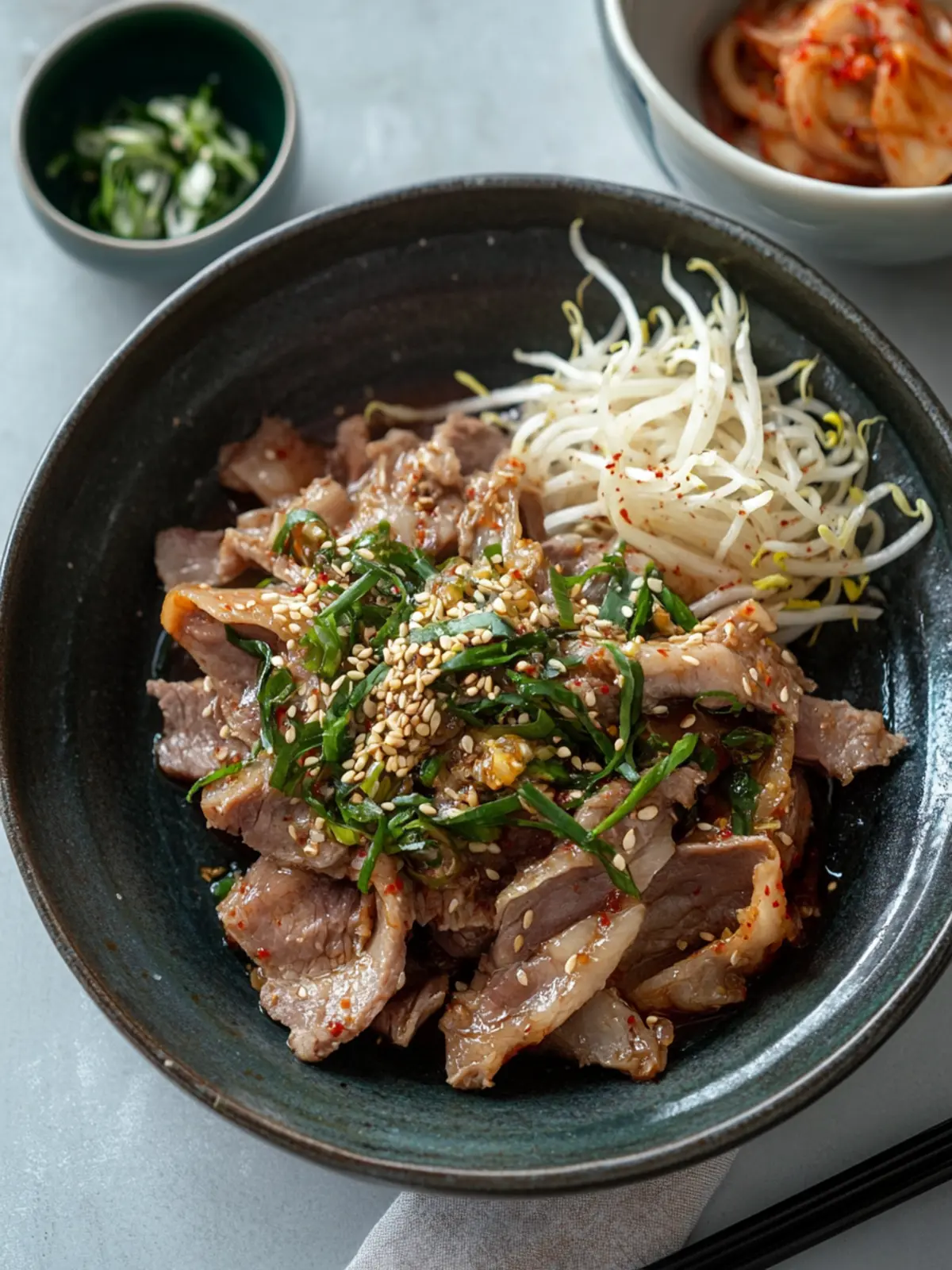
Expert Tips for Doenjang Pork (Maekjeok)
• Watch Your Broiler: Keep a close eye while broiling, as pork can burn quickly. It’s best to check on it a minute before the suggested time.
• Marination Matters: Allow the pork to marinate for at least 10-15 minutes. This extra time brings out the deep, savory flavors of the doenjang.
• Single Layer Cooking: Arrange pork slices in a single layer to achieve even cooking and a delightful crispy texture. Overlapping will lead to steaming instead!
• Adjust to Taste: Feel free to tweak the sweetness by adjusting the sugar or using honey. Everyone has their own preference!
• Balance Your Sides: Pair this flavorful Doenjang Pork with lighter sides, like steamed veggies or a fresh salad, to create a well-rounded meal.
• Storage Tips: Store any leftovers in an airtight container. These can be reheated in the broiler for the best texture without losing their delicious flavor.
Variations & Substitutions for Doenjang Pork (Maekjeok)
Get ready to unleash your creativity in the kitchen with these delicious twists on the classic recipe!
-
Pork Belly: Use pork belly instead of neck for a richer, juicier result. The marbled fat elevates the flavors and creates a delightful, melt-in-your-mouth texture.
-
Miso Magic: Swap out doenjang for miso paste for a unique flavor profile. While it changes the taste, miso adds a lovely umami richness, inviting you to explore new culinary territory.
-
Sweet Teriyaki: Replace the sugar with a teriyaki sauce for an added layer of sweetness. You’ll delight in the unexpected sweetness that pairs beautifully with the savory notes!
-
Colorful Veggies: Incorporate shredded carrots or bell peppers into the salad for added color and crunch. These fresh additions will brighten your dish and make it even more nutritious.
-
Heat Boost: Add a dash of sriracha or chili oil to the marinade for an exciting kick. It’s a great way to customize the heat level and cater to your spice-loving friends.
-
Rice Wine Varieties: Substitute mirim with apple juice or even rice vinegar for an alternative depth of flavor. Each option offers a new twist, making the dish feel entirely different!
-
Gluten-Free Swap: Opt for tamari instead of gukganjang to keep it gluten-free. This swap will ensure everyone can enjoy the aromatic flavors without compromising dietary needs.
-
Herb Infusion: Experiment with fresh herbs like cilantro or Thai basil in the salad for a vibrant freshness. These fragrant herbs add an incredible aroma and a new layer of flavor that elevates your dish.
Let your taste buds lead the way and enjoy the creative journey!
Storage Tips for Doenjang Pork
Fridge: Store leftover Doenjang Pork in an airtight container for up to 3 days. This keeps the flavors fresh while preventing spoilage.
Freezer: For longer storage, freeze the pork in a sealed freezer bag for up to 3 months. Make sure to remove as much air as possible to avoid freezer burn.
Reheating: Reheat slices in the broiler for about 5 minutes to restore their crispy texture and warmth. Avoid microwaving to prevent sogginess.
Marinade Storage: If you have extra marinade, it can be stored in the fridge for up to a week. Use it for other meats or vegetables to enjoy those rich, savory flavors!
Make Ahead Options
These Easy Korean Doenjang Pork (Maekjeok) preparations are ideal for busy home cooks looking to save time without sacrificing flavor! You can marinate the pork up to 24 hours in advance, simply combining all marinade ingredients and letting the sliced pork soak in the rich mix. To maintain quality, store the marinated pork in an airtight container in the refrigerator. The Korean green onion salad can be prepared up to 3 days ahead; just toss the ingredients together and refrigerate. When ready to serve, broil the marinated pork straight out of the fridge for restaurant-quality results with minimal effort. Enjoy the convenience of having your flavorful meal primed and ready!
What to Serve with Doenjang Pork (Maekjeok)?
Creating the perfect meal experience around Doenjang Pork elevates your culinary journey, filling your home with complementary flavors and textures.
- Steamed Jasmine Rice: The fragrant grains provide a neutral canvas that balances the rich, savory pork and absorbs the delicious juices.
- Kimchi: This traditional Korean side adds a spicy, tangy crunch that enhances the savory flavors of the pork, creating an explosion of taste in every bite.
- Crispy Pan-Fried Tofu: Silken yet crisp, tofu adds a delightful texture contrast and absorbs the marinade’s flavors, making each piece a satisfying bite.
- Sautéed Seasonal Vegetables: A medley of bright, colorful veggies adds freshness and vibrancy to your plate, complementing the dish’s savory notes.
- Korean Cucumber Salad: Crisp cucumbers tossed in a light soy dressing lend a refreshing crunch that balances the richness of the pork, invigorating your palate.
- Cold Buckwheat Noodles (Naengmyeon): These chewy noodles served cold provide a refreshing counterpart to the hot broiled pork, making for a delightful textural contrast.
- Sweet Rice Wine (Mirim): This naturally sweet drink perfectly pairs with the flavors of the pork, enhancing your dining experience while echoing the dish’s subtle notes.
- Fresh Fruit Platter: A selection of melon, grapes, and citrus adds a sweet finish that cuts through the savory richness, leaving a lingering satisfaction.
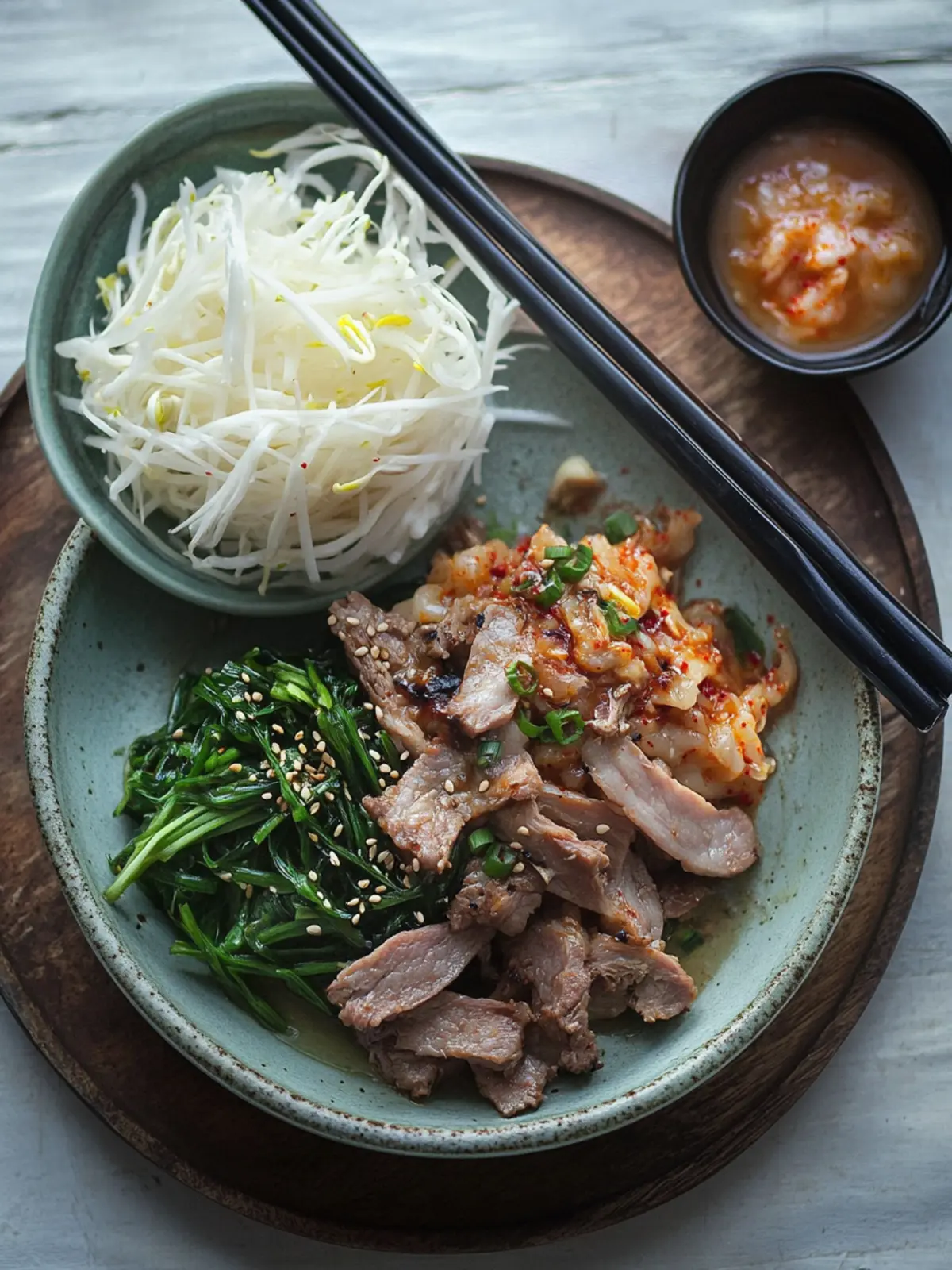
Doenjang Pork (Maekjeok) Recipe FAQs
What type of pork is best for Doenjang Pork?
Absolutely! The ideal choice is pork neck (shoulder) due to its tenderness and flavor. You can also substitute with pork belly or shoulder if needed, though the neck provides a beautiful balance of fat and meat.
How do I store leftover Doenjang Pork?
I recommend you store leftover Doenjang Pork in an airtight container in the fridge for up to 3 days. If you wish to keep it longer, freeze it in a sealed freezer bag for up to 3 months—just make sure to remove as much air as possible to prevent freezer burn!
Can I freeze Doenjang Pork?
Definitely! To freeze, place the marinated pork in a airtight freezer bag or container, ensuring you remove excess air. It can be kept in the freezer for up to 3 months. When ready to cook, thaw it in the refrigerator overnight before broiling.
How can I prevent the pork from burning while broiling?
Very good question! Keep a close watch on your pork while it’s broiling, as it can burn quickly. I suggest checking it one minute before the suggested time—broil it for about 5 minutes, flip, and then additional 4-5 minutes, ensuring a crispy finish without the char.
What type of diet is suitable for Doenjang Pork?
This dish can be gluten-conscious if you use a gluten-free soybean paste. Always check the labels on your ingredients, especially the soy sauce and corn syrup, to ensure they meet your dietary needs. Feel free to adapt the sides for any dietary restrictions or preferences!
How ripe should my green onions be for the salad?
Look for fresh and vibrant green onions without any wilting or dark spots. Fresh scallions should feel crisp and firm. You want them to add a nice crunch to your Korean green onion salad!
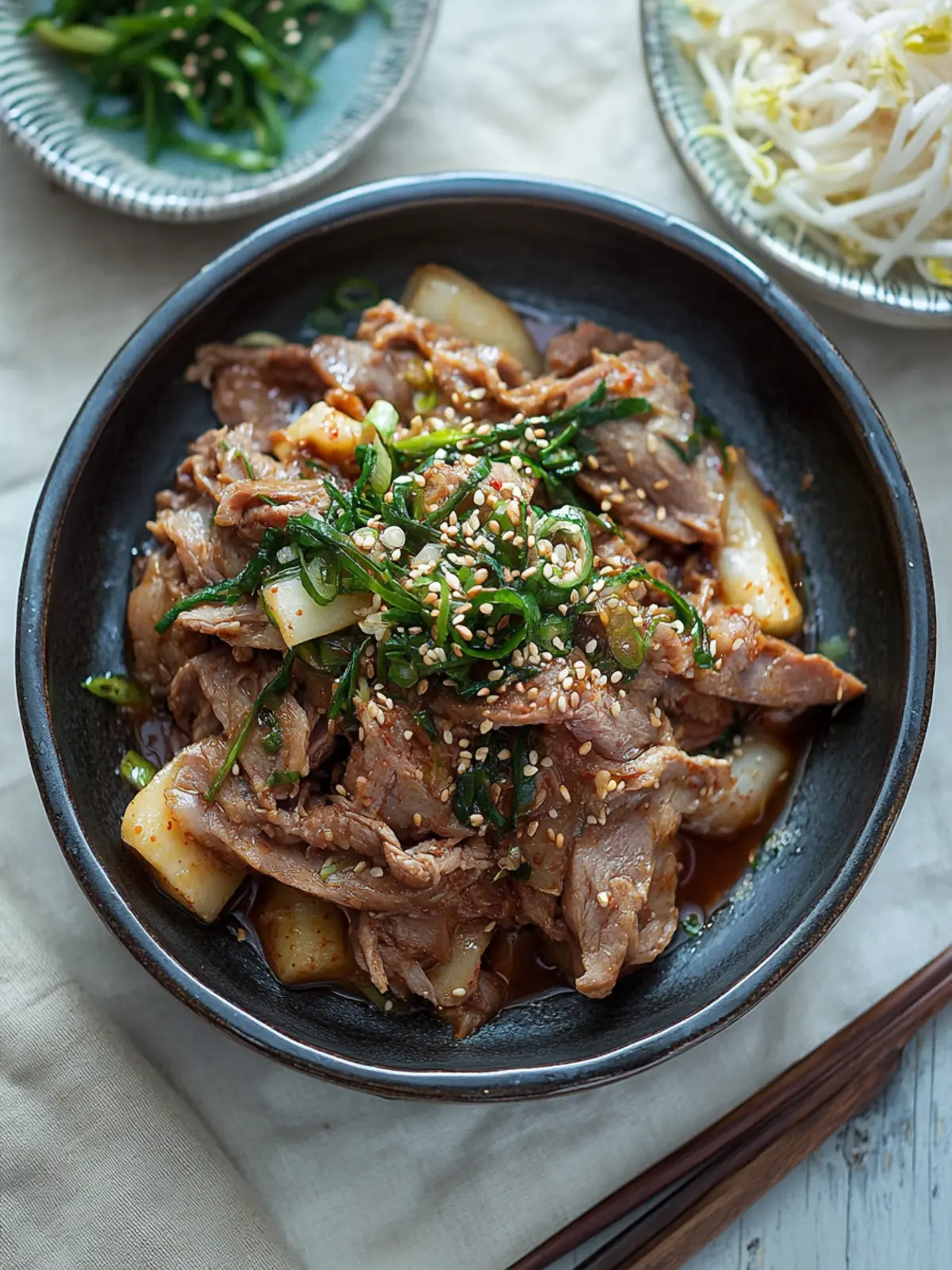
Savory Doenjang Pork (Maekjeok) for Epic Korean BBQ Nights
Ingredients
Equipment
Method
- In a large bowl, combine the doenjang, gukganjang, sesame oil, mirim, minced garlic, sugar, and corn syrup. Stir in chopped chives until well mixed.
- Add the sliced pork to the marinade, tossing gently to ensure every piece is coated evenly. Let it rest for 10-15 minutes at room temperature while you preheat the broiler.
- Preheat your broiler. Arrange the marinated pork slices on a lightly oiled wire rack over a baking sheet. Broil 3-4 inches from the heat for about 5 minutes, then flip and broil for another 4-5 minutes until browned and crispy.
- Soak the sliced green onions in cold water mixed with vinegar for 10 minutes; then drain well. In a bowl, toss with gochugaru, soy sauce, sugar, cider vinegar, sesame oil, and toasted sesame seeds.
- Place the broiled pork over the Korean green onion salad. Serve hot alongside a bowl of fluffy rice.