
You know that feeling when the stress of the day begins to melt away? After wrapping up a hectic week, I found myself craving a comforting slice of something light yet indulgent. That’s when I decided to whip up a Taisan, the quintessential Filipino chiffon cake. This marvelous creation not only fills your kitchen with an enchanting aroma of vanilla and butter but also delivers a delightful contrast between its sweet and savory toppings of cheese and sugar.
This cake is a dream for both novice bakers and seasoned kitchen explorers alike. With its soft and fluffy texture, it’s perfect for those weekends when you want to treat yourself—and maybe a few friends or family members as well! Best of all, it requires minimal fuss and ingredients you likely already have on hand. So, put those takeout menus away and let’s dive into making a Taisan that will not only elevate your dessert game but also become a cherished staple in your home!
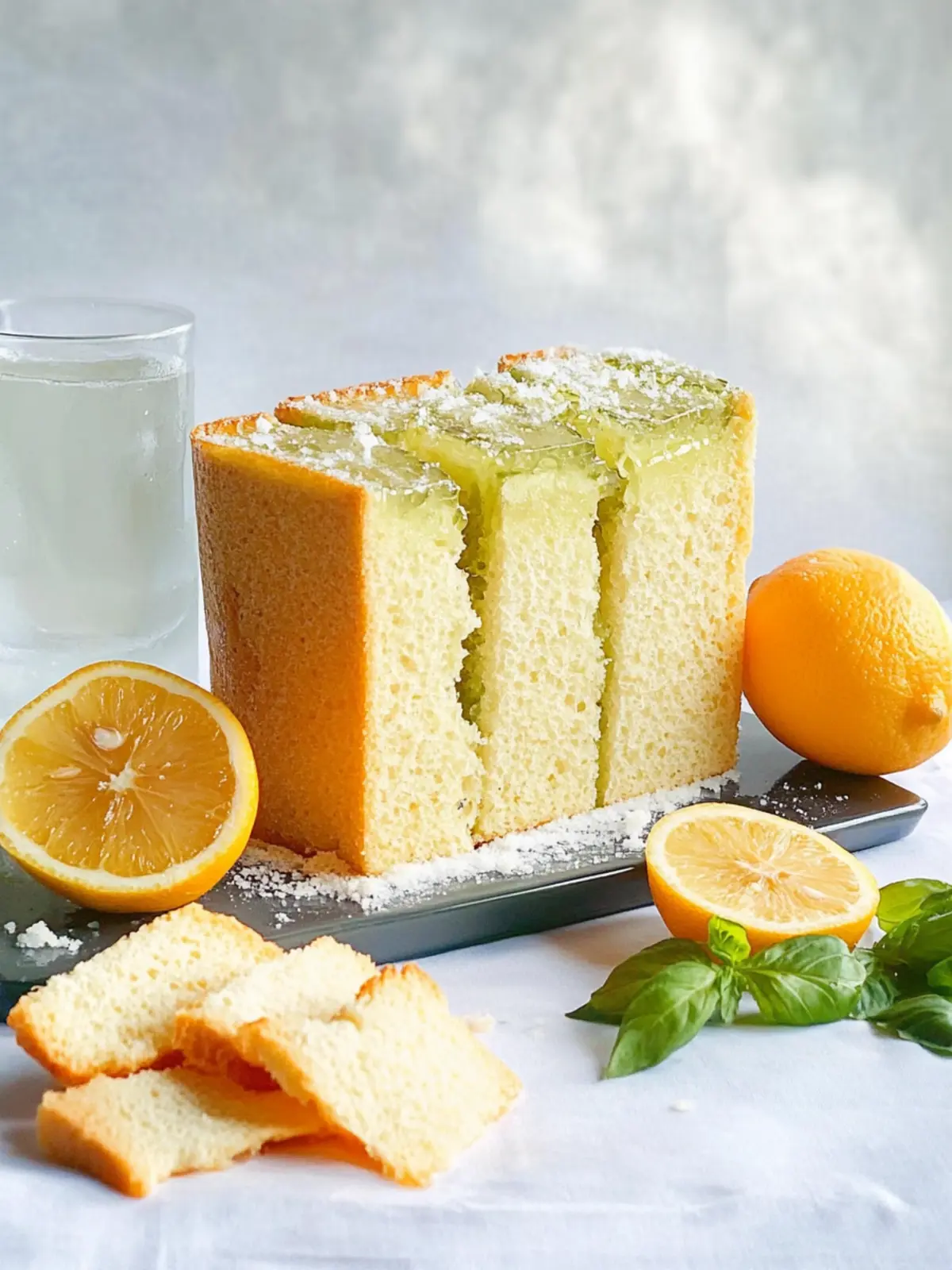
Why is Taisan a must-try dessert?
Soft and Fluffy Texture: This chiffon cake is incredibly airy, making it melt in your mouth.
Sweet and Savory Balance: The topping of sugar and cheese provides a unique flavor twist.
Easy-to-Make: With simple steps, even beginner bakers can shine!
Versatile Delight: Enjoy it for breakfast, snacks, or dessert without any fuss.
Crowd-Pleaser: Perfect for sharing at gatherings—everyone will ask for seconds!
Ditch the fast food and embrace homemade happiness with this delightful Taisan recipe!
Taisan Ingredients
For the Cake
- Egg Whites – Provides structure and volume through meringue; no direct substitute for optimal texture.
- Cream of Tartar – Stabilizes egg whites during beating; can swap with lemon juice in a pinch.
- Sugar (for meringue) – Sweetens and stabilizes the meringue; no substitutions recommended.
- Egg Yolks – Adds richness and flavor; no substitutions recommended.
- Milk – Moistens the cake with a slight richness; evaporated milk can work as a substitute.
- Cake Flour – Creates a light, tender cake; all-purpose flour is an option but may alter the texture.
- Vegetable Oil – Ensures moisture and soft texture; melted butter or any neutral oil can be used instead.
- Salt – Enhances the flavor; no substitutions recommended.
- Vanilla Extract – Adds depth of flavor; choose almond extract for a different flavor profile if desired.
- Sugar (for cake batter) – Provides sweetness for the cake; no substitutions recommended.
- Baking Powder – Leavening agent helping the cake rise; baking soda with an acid like yogurt can be used in combination.
For the Topping
- Melted Butter – Adds a rich flavor to the cake’s top; no substitutions recommended.
- Grated Cheese – Offers a savory balance to the sweetness; mild cheddar cheese is a great alternative.
Embrace making Taisan—you won’t regret this easy yet impressive dessert!
How to Make Taisan
-
Preheat the Oven: Begin by preheating your oven to 160°C (320°F). Meanwhile, prepare a non-stick 8×4 loaf pan to ensure easy removal later.
-
Make the Meringue: Grab your hand mixer and beat the egg whites until frothy. Add cream of tartar, continuing until soft peaks form. Gradually sprinkle in the sugar, and beat until you achieve stiff peaks.
-
Prepare the Batter: In another bowl, sift together the cake flour, baking powder, and salt. Beat the egg yolks until slightly frothy, then mix in the sugar until the mixture is pale. Gradually stir in the vanilla, milk, and vegetable oil, blending well. Finally, fold the dry ingredients into this mixture until smooth.
-
Combine Mixtures: Carefully fold the meringue into the egg yolk batter in three parts, ensuring the mixtures are well combined yet airy.
-
Bake the Cake: Pour the batter into your prepared loaf pan. Bake for about 45 minutes or until a toothpick inserted comes out clean, indicating it’s perfectly baked.
-
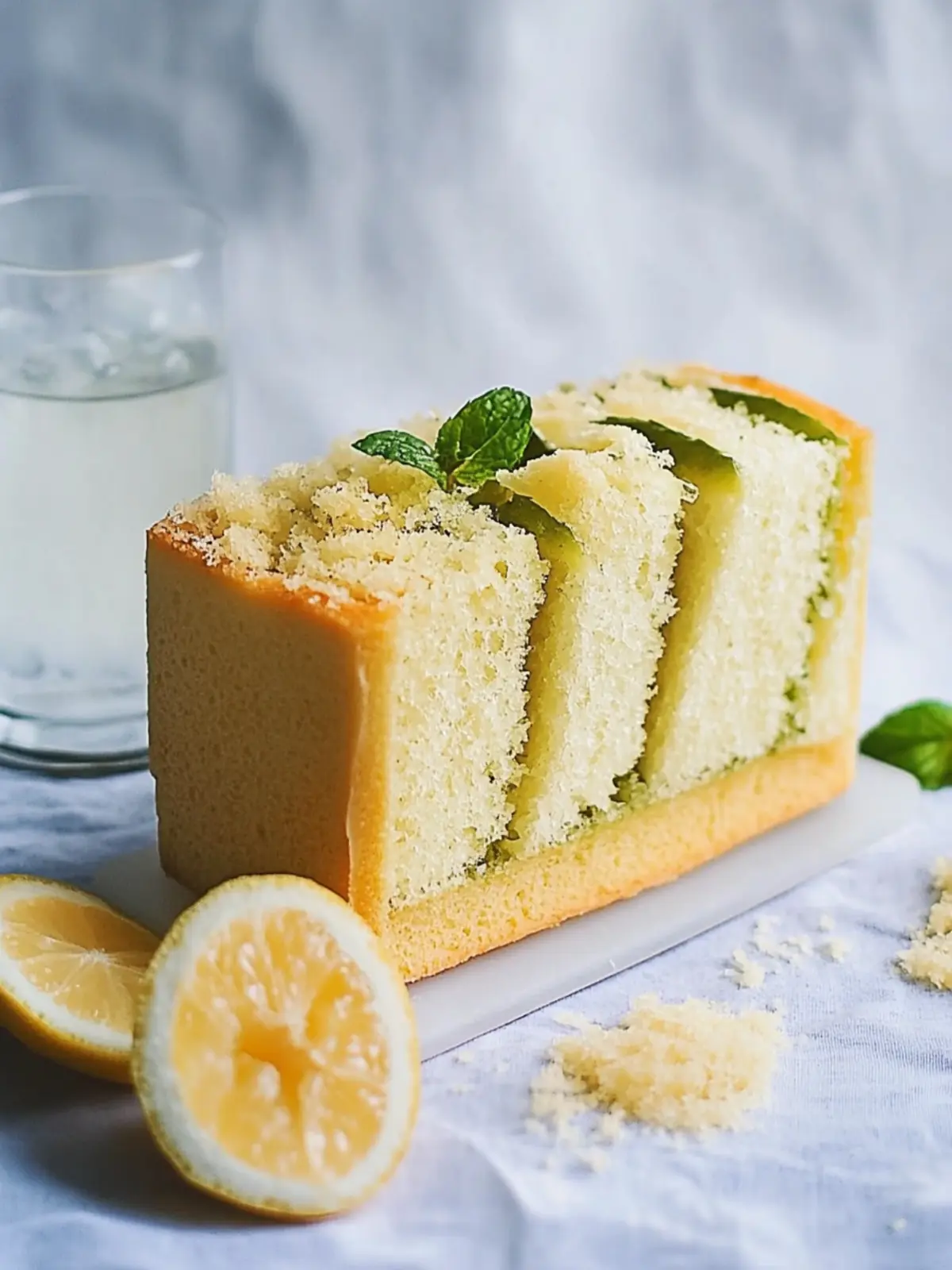
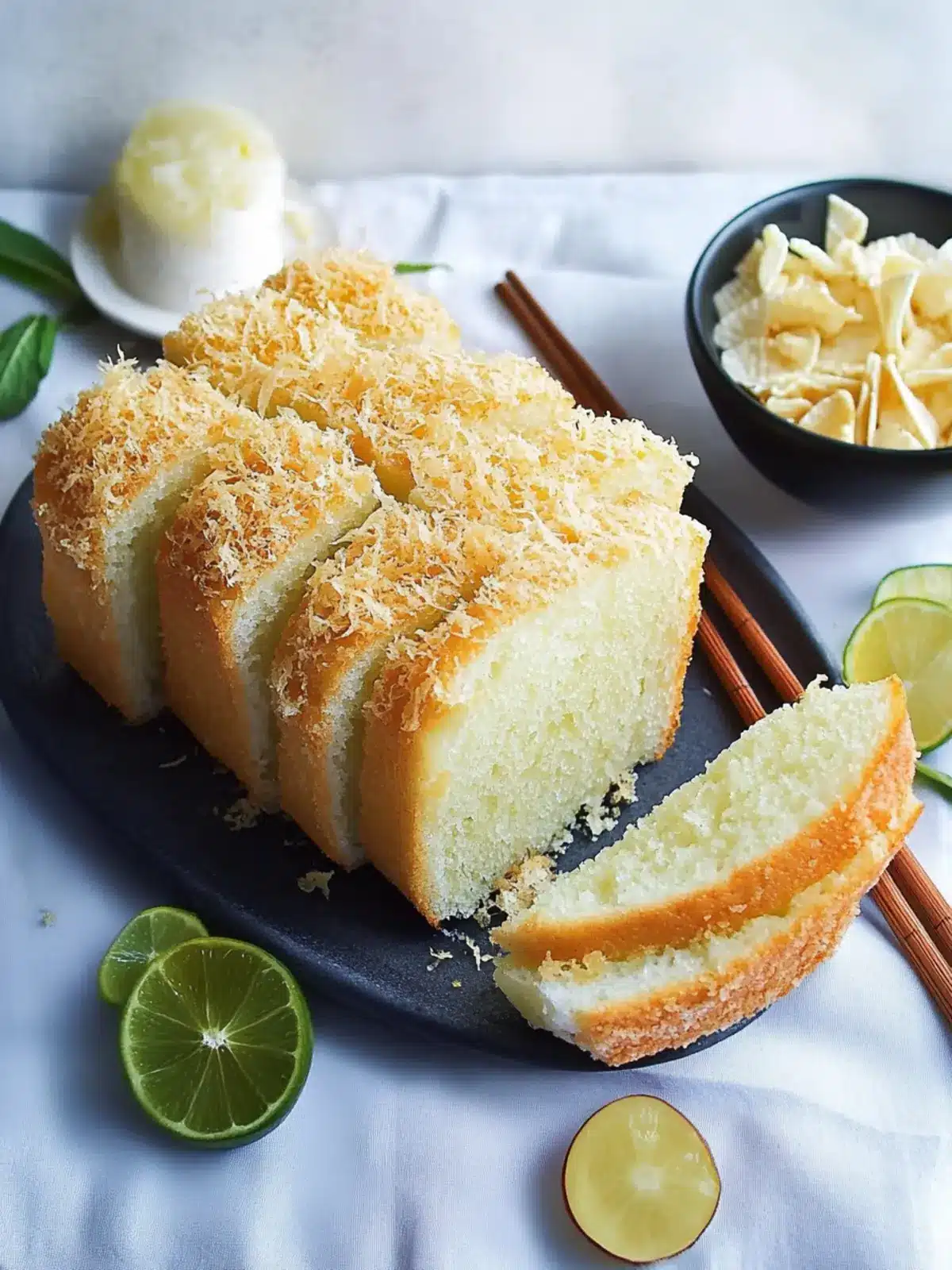
Cool and Garnish: Let the cake cool in the pan for a few minutes, then transfer it to a wire rack. Once cool, brush the top generously with melted butter, sprinkle with sugar, and finish with grated cheese.
Optional: Drizzle a bit of honey over the top for a sweet twist!
Exact quantities are listed in the recipe card below.
Taisan Variations & Substitutions
Feel free to get creative and customize your Taisan for a unique twist that tantalizes your taste buds.
-
Cheese Choices: Experiment with different cheeses like mozzarella for a milder flavor or gouda for something richer. Each cheese brings a delightful twist to the toppings.
-
Citrus Zest: Add lemon or orange zest to the batter for a refreshing citrus flair that brightens up every bite. This little addition can transform your Taisan into a sunny delight!
-
Fruity Twist: Incorporate mashed bananas or pureed mango into the batter for a sweet, tropical twist that pairs beautifully with the chiffon texture. Your cake will boast a stunning flavor dimension!
-
Nutty Crunch: Fold in some finely chopped nuts, like almonds or cashews, for a delightful crunch that contrasts stunningly with the soft cake. This will elevate the texture while adding a nutritious kick.
-
Chocolate Swirl: Add a swirl of melted chocolate to the batter before baking for a luxurious chocolatey experience. This twist brings an indulgent flavor that chocolate lovers won’t resist!
-
Spicy Kick: Mix in a hint of cinnamon or cardamom for a warm, spicy undertone. It transforms the flavor profile beautifully, giving your Taisan an exotic twist to enjoy with tea.
-
Boozy Bump: Incorporate a splash of rum or brandy into the batter for an adult-only twist that adds depth to the cake’s flavor. Be sure to savor each slice with a good cup of coffee for a perfect pairing!
Let these variations inspire you to make the Taisan your own!
Expert Tips for Taisan
• Egg Whites Matter: Ensure your egg whites are perfectly free of yolk to maximize meringue volume for that fluffy Taisan texture.
• Don’t Overbeat: Stop beating the meringue as soon as you reach stiff peaks; overbeating can make it grainy and less stable.
• Oven Timing is Key: Use a toothpick for testing doneness but avoid opening the oven door too early to prevent collapsing.
• Fold Gently: When combining the meringue with the egg yolk batter, fold gently to preserve air bubbles, crucial for achieving a light chiffon cake.
• Cooling Tip: Allow the cake to cool in the pan before transferring to a wire rack; this helps maintain moisture and prevents sticking.
• Serving Suggestions: Enjoy your Taisan as a delightful breakfast or snack with coffee or tea for the ultimate comforting experience.
Make Ahead Options
These delightful Taisan (Filipino chiffon cake) are perfect for meal prep enthusiasts! You can make the batter up to 24 hours in advance; simply cover it tightly and refrigerate to keep it fresh. Additionally, you can prepare the meringue and combine it with the batter the day before you plan to bake. Just remember to gently fold in the meringue right before baking to maintain that airy texture. When you’re ready to serve, pour the batter into your loaf pan and bake it at 160°C (320°F) until a toothpick comes out clean, promising you that same fluffy delight without the last-minute rush.
What to Serve with Taisan?
Nothing pairs better with the soft, fluffy delight of Taisan than the right accompaniments that elevate every bite.
- Hot Coffee: The rich, robust flavor complements the cake’s sweetness, making it a perfect morning or afternoon treat.
- Fresh Fruits: Slices of mango or berries add a refreshing contrast to Taisan’s richness, enhancing both flavor and color on your plate.
- Coconut Jam: This sweet, sticky spread provides a delightful tropical twist that harmonizes beautifully with the cake’s buttery notes.
Indulge in the simple joy of sharing this cake with friends and family. It’s not just a dessert; it’s a warm hug on a plate!
- Tea Selection: A fragrant herbal or green tea cleanses the palate, balancing the cake’s sweetness and making each bite even more enjoyable.
- Extra Grated Cheese: A sprinkle on top can add a savory note, accentuating the cake’s unique sweet and savory combination.
- Vanilla Ice Cream: The creamy, cool texture of ice cream creates a mouthwatering contrast to the airy cake, making it an indulgent dessert choice.
Let your Taisan shine in its glory with these delightful sides that will leave everyone craving more!
How to Store and Freeze Taisan
-
Room Temperature: Keep Taisan in an airtight container at room temperature for up to 3 days. Enjoy it fresh to savor its light texture!
-
Fridge: If you want to keep it longer, store Taisan in the fridge for up to 5 days. Wrap in plastic wrap or place it in an airtight container to prevent drying out.
-
Freezer: For longer storage, freeze Taisan by wrapping it tightly in plastic wrap followed by aluminum foil. It can last in the freezer for up to 3 months. Thaw in the fridge overnight before serving!
-
Reheating: To enjoy Taisan warm, microwave individual slices for about 10-15 seconds or warm them in the oven at a low setting for a few minutes. This brings back its delightful fluffiness!
Taisan Recipe FAQs
How do I choose ripe ingredients for my Taisan?
Absolutely! For the best results, make sure your eggs are fresh, as they pack the most volume and flavor. When selecting milk, opt for whole or 2% for added richness, while ensuring your cream of tartar is fresh too. A quick check for your cake flour should ensure it isn’t clumpy or expired.
How should I store my Taisan, and how long does it last?
You can store Taisan in an airtight container at room temperature for up to 3 days. If longer lasting freshness is desired, it can be placed in the fridge for up to 5 days but remember to wrap it well to prevent drying. I often advise enjoying it fresh to savor the light texture!
What are the freezing instructions for Taisan?
To freeze Taisan, wrap it tightly in plastic wrap, followed by aluminum foil for added protection. It can last in the freezer for up to 3 months! When you’re ready to indulge, simply thaw it in the fridge overnight and warm individual slices in the microwave for 10-15 seconds, or in the oven for a few minutes.
What should I do if my cake doesn’t rise?
Very! If your Taisan didn’t rise, it might be due to overbeating or underbeating your egg whites. Ensure your mixer bowl is completely clean and free of any yolk while beating the egg whites until stiff peaks form. Additionally, double-check your baking powder’s freshness as it’s essential for that airy texture!
Can I make Taisan if I have dietary restrictions?
Absolutely! For those with dairy restrictions, you can use plant-based milk and cheese alternatives. If you’re watching your sugar intake, consider using a sugar substitute designed for baking. Always consult a healthcare professional if you have specific allergies, especially concerning ingredients like egg, milk, or cheese.
What if I want to add flavors or substitutions to my Taisan?
Want the more the merrier in flavors! You can add zests like lemon or orange to the batter for a refreshing tang. Also, you might try folding in mashed bananas or pureed mangoes for a fruity twist. Just keep the basic recipe in mind to maintain that delightful fluffiness!
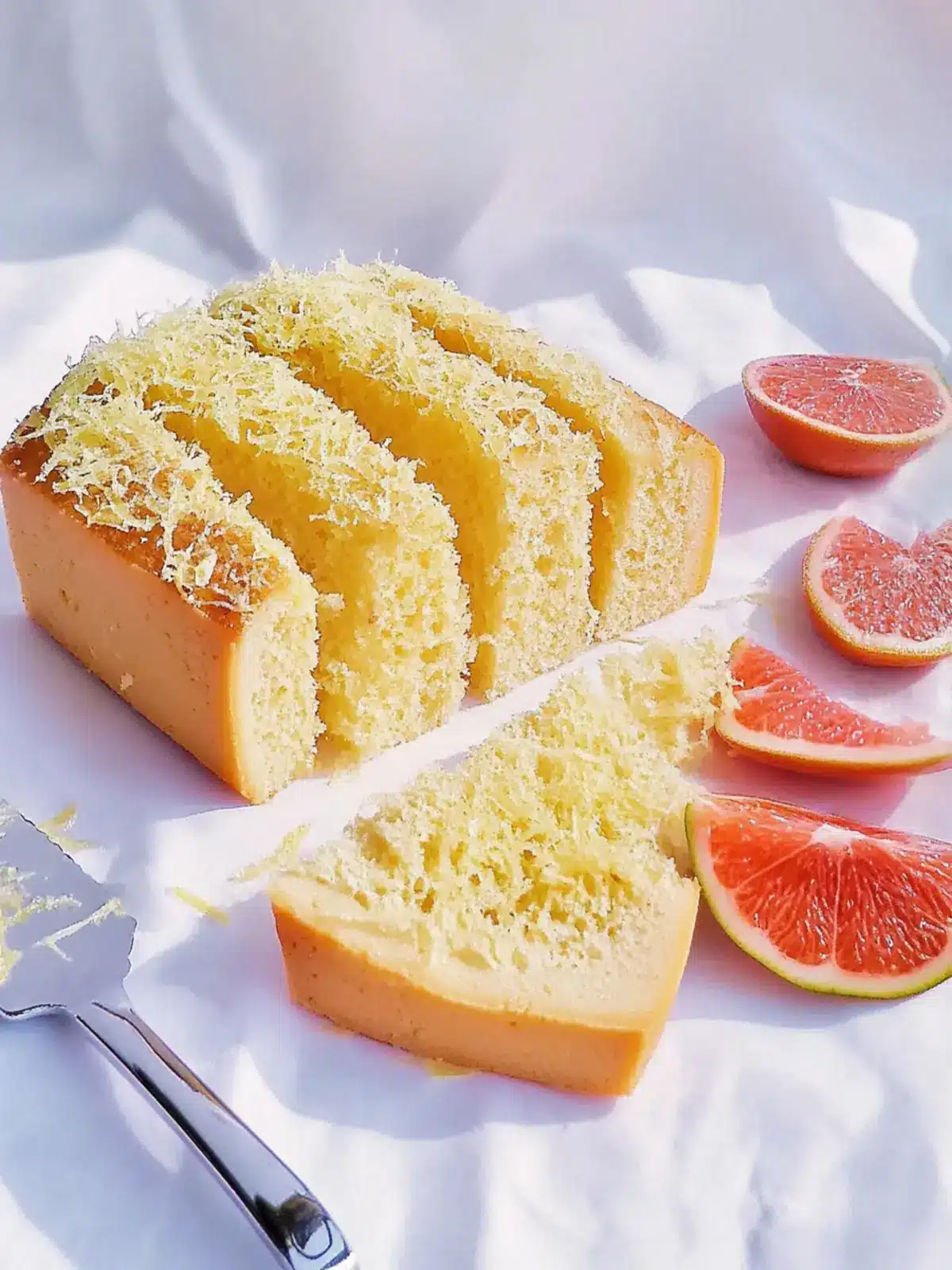
Fluffy Taisan Cake: A Slice of Filipino Delight at Home
Ingredients
Equipment
Method
- Preheat your oven to 160°C (320°F) and prepare a non-stick 8x4 loaf pan.
- Beat the egg whites until frothy, add cream of tartar, then gradually sprinkle in sugar and beat until stiff peaks form.
- Sift together the cake flour, baking powder, and salt. Beat egg yolks and mix in sugar until pale. Stir in vanilla, milk, and vegetable oil, then fold in dry ingredients.
- Carefully fold meringue into egg yolk batter in three parts until well combined but airy.
- Pour the batter into the prepared loaf pan and bake for about 45 minutes until a toothpick comes out clean.
- Let the cake cool for a few minutes in the pan, then transfer to a wire rack. Brush the top with melted butter, sprinkle with sugar, and finish with grated cheese.