
Summer’s heat often calls for dishes that are light, refreshing, and full of flavor—but finding something that won’t weigh you down can be a challenge. Enter Makguksu, a vibrant Korean dish that beautifully balances chewy buckwheat noodles with aromatic perilla oil, creating a delightful culinary experience.
Imagine the nutty fragrance enveloping your kitchen as you prepare this no-cook recipe, perfect for those busy days when you crave something scrumptious yet effortless. The savory-sweet dressing, made with wholesome ingredients like soy sauce and a splash of lemon, brings everything together in a colorful bowl. With its optional vegan twists and gluten-free buckwheat noodles, Makguksu is not only versatile but also a crowd-pleaser, whether you serve it on a warm day or need some comfort food on a chilly evening. Let’s dive into this quick recipe that promises to transform your mealtime!
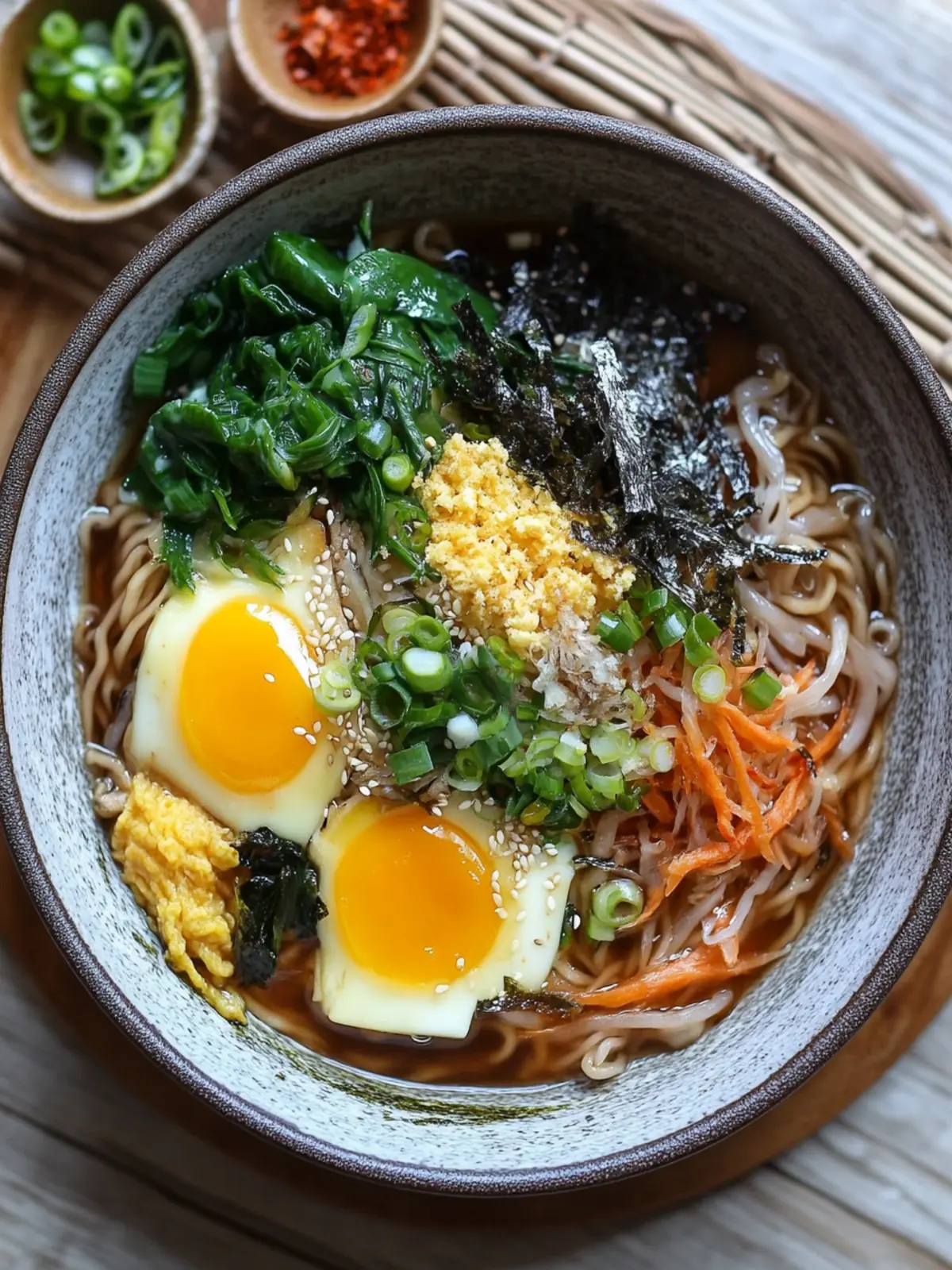
Why is Makguksu a Must-Try Dish?
Bright, Fresh Ingredients: This dish is packed with vibrant flavors from fresh vegetables and aromatic herbs, creating a delightful explosion of taste.
Quick No-Cook Option: Embrace effortless meal prep—this recipe requires minimal cooking, giving you more time to enjoy the summer sun!
Versatile Serving Ideas: Enjoy Makguksu as a satisfying main course or a flavorful side dish that pairs well with grilled meats and vegetables.
Nutritious and Filling: With at least 324 calories per serving, it provides a healthy mix of carbohydrates, protein, and healthy fats.
Perfect for Summer Cravings: Light and refreshing, this dish is an ideal way to cool down on those hot days without compromising flavor.
For even more creative ideas, check out my variation suggestions for customizing your dish!
Makguksu Ingredients
• Here’s everything you need to create this delightful dish!
For the Noodles
- Buckwheat Noodles – The star of the dish, providing a chewy texture; substitute with somyeon noodles if desired.
For the Garnish
- Sour Cabbage Kimchi – Adds a tangy kick; opt for well-fermented versions for the best flavor.
- Green Onions – They provide a fresh crunch; chives are a good alternative if you prefer.
- Raw Egg Yolk – Optional for a rich, creamy element; skip for a vegan Makguksu and add more sesame seeds instead.
- Roasted Seaweed Snack – Introduces umami flavor; feel free to swap with nori or leave out if not available.
- Toasted Sesame Seeds – Adds nuttiness and crunch; crushed peanuts are a tasty alternative if you wish for a change.
For the Dressing
- Tsuyu – The essential base for the dressing, combining dashi, soy sauce, and mirin for umami depth; can be replaced with diluted soy sauce.
- Soy Sauce – Enhances saltiness; low-sodium options are perfect for a healthier take.
- Lemon Juice or Mild Vinegar – Brings brightness and acidity; any mild vinegar, like rice or apple cider, works wonders.
- Honey – Adds a touch of sweetness to balance flavors; maple syrup serves as a fine vegan substitute.
- Perilla Oil – The key flavoring oil, bringing a nutty essence; sesame oil can be used for a different profile.
- Korean Mustard (Yeongeoja) – Optional addition for a spicy zing in your dressing.
Whether you’re a fan of quick, nutritious meals or looking for a refreshing dish perfect for summer, Makguksu is a delightful option that will elevate your dining experience!
How to Make Makguksu
-
Cook Noodles: Bring a pot of water to a boil and add the buckwheat noodles. Cook them according to the package instructions until they’re al dente, usually around 4-6 minutes.
-
Rinse Noodles: Once cooked, drain the noodles and rinse them under cold running water to stop the cooking process and enhance their chewy texture. This step is crucial for makguksu!
-
Make Dressing: In a bowl, mix together the tsuyu, soy sauce, lemon juice or vinegar, honey, and perilla oil. If you like some heat, this is the time to stir in the Korean mustard for an extra kick!
-
Prepare Kimchi: Rinse your sour cabbage kimchi, chop it into bite-sized pieces, and drain any excess moisture. This will help avoid a soggy dish.
-
Assemble Dish: Place your chilled noodles in a serving bowl. Drizzle the prepared dressing over the noodles and garnish generously with kimchi, sliced green onions, toasted seaweed, sesame seeds, and the egg yolk if you’re using it.
-
Mix & Serve: If you’ve added the egg yolk, break it open and mix everything together. Serve your makguksu immediately, enjoying the dish cold for a refreshing meal!
Optional: Top it off with a sprinkle of additional sesame seeds for extra crunch.
Exact quantities are listed in the recipe card below.
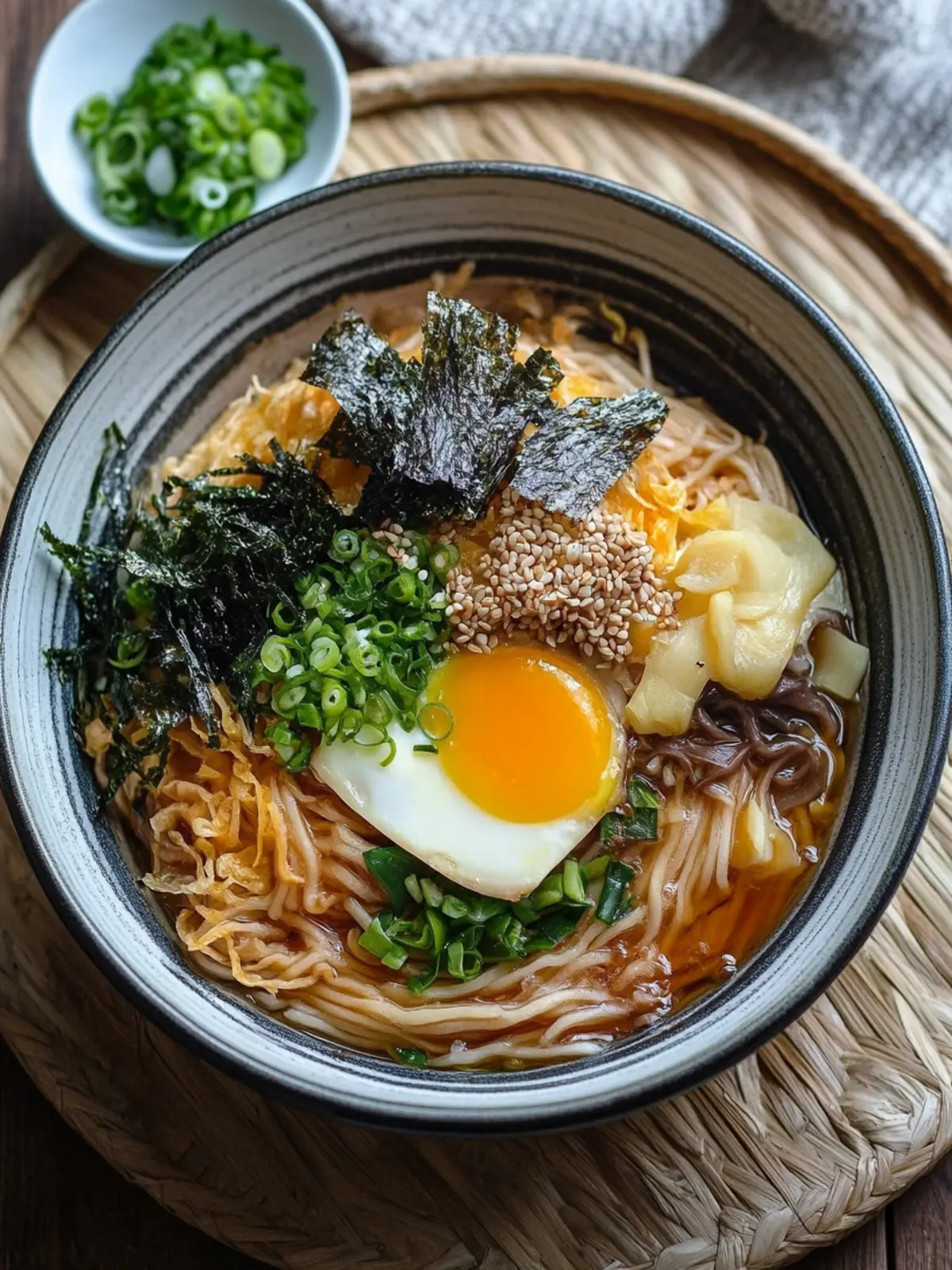
Make Ahead Options
Preparing Makguksu in advance helps streamline your meal planning, making it perfect for busy weeknights. You can cook the buckwheat noodles and rinse them up to 24 hours ahead; simply store them in an airtight container in the refrigerator to keep them fresh and prevent stickiness. The dressing can also be mixed a day prior so the flavors meld beautifully. Just remember to store the dressing separately to maintain its vibrant taste. When you’re ready to serve, toss the chilled noodles with the dressing and top them with your garnishes for a refreshing meal that’s as delicious as it is effortless!
Makguksu Variations & Substitutions
Customize your Makguksu with these exciting twists that promise to tickle your taste buds and elevate your meal!
-
Spicy Kick: Add fresh sliced chili or a teaspoon of gochujang to the dressing for a fiery boost, igniting those flavors with a vibrant heat. Embrace the warmth that melds beautifully with the nutty perilla oil!
-
Zucchini Noodles: Swap buckwheat noodles for spiralized zucchini noodles for a refreshing, grain-free option. This twist embraces freshness while keeping it light and packed with nutrients.
-
Nut-Free Twist: Substitute perilla oil with sunflower oil if you’re looking for a nut-free alternative that still offers a lovely finish. This simple change provides a similar mouthfeel without compromising on flavor.
-
Extra Crunch: Toss in some shredded carrots or crisp cucumber for added texture and color. This not only enhances the dish visually but also adds a delightful crunch that contrasts wonderfully with the chewiness of the noodles.
-
Creamy Vegan Boost: Instead of an egg yolk, mash up some avocado and toss it in for a creamy, vegan alternative. This little secret not only enriches your bowl but adds a beautiful green hue!
-
Herbal Infusion: Introduce fresh herbs such as cilantro or basil for an aromatic touch that provides a lift in brightness and flavor. Their freshness will harmonize beautifully with the other ingredients.
-
Vinegar Variation: Experiment with different types of vinegar, like rice or apple cider, for the dressing. Each variant offers a unique tang that can shift the flavor profile entirely.
-
Crispy Tofu: For added protein, crispy tofu cubes make a fantastic topping. They’re perfect for texture and can absorb the dressing’s flavors, making each bite a delightful surprise!
Feel free to mix and match these variations to cater to your preferences, turning your Makguksu into a personalized masterpiece each time you whip it up!
What to Serve with Makguksu?
Create a delightful meal to showcase the refreshingly unique flavors of this dish.
-
Grilled Vegetables: The smoky char of grilled zucchini, bell peppers, and eggplant harmonizes beautifully with the lightness of Makguksu, adding a savory element.
-
Chilled Tofu Salad: Creamy, chilled tofu drizzled with sesame oil and soy sauce offers a lovely contrast in texture, while enhancing the umami experience of your meal.
-
Asian-style Slaw: A crisp slaw with shredded cabbage, carrots, and a tangy dressing adds crunch and brightness, complementing the chewy buckwheat noodles perfectly.
-
Spicy Edamame: The salty bite of steamed edamame, tossed in chili flakes, can be a fun appetizer that matches the flavor profile and adds a satisfying kick.
-
Cucumber Kimchi: Light, crunchy, and bursting with flavor, this cucumber variant adds freshness and a zesty punch that elevates the meal without overpowering it.
-
Cold Sake or Soju: Serve chilled bottles of sake or soju for a refreshing drink option that enhances the dining experience, perfectly balancing the flavors of Makguksu.
This delightful selection of accompaniments will create a full meal, enhancing the fresh, nuanced flavors of your Makguksu. Enjoy!
Expert Tips for Makguksu
-
Rinse Thoroughly: Make sure to rinse the buckwheat noodles under cold water until they are completely chilled. This enhances their chewy texture and prevents them from becoming soggy.
-
Watch the Dressing: Start with a modest amount of dressing; you can always add more. Too much dressing can overwhelm the delicate flavors of the makguksu, turning it into a soggy dish.
-
Adjust for Vegan: To make a vegan version of Makguksu, simply omit the egg yolk and increase the quantity of sesame seeds or add sautéed tofu for extra protein and texture.
-
Taste Test the Kimchi: Kimchi can vary in flavor and spice level. Choose a well-fermented, balanced sour cabbage kimchi that complements your dish without overpowering it.
-
Experiment with Toppings: Feel free to add other veggies like shredded carrots or cucumbers for extra crunch. They not only add flavor but also enhance the presentation of your makguksu.
-
Enjoy Cold: This dish is best served cold, so be sure to prepare it ahead of time if you’re planning to serve it at a gathering—it will keep beautifully in the fridge for a couple of days.
Storage Tips for Makguksu
Fridge: Store any leftover makguksu in an airtight container for up to 2 days to maintain freshness and flavor.
Freezer: For longer storage, freeze the cooked and cooled buckwheat noodles in an airtight container for up to 3 months. Thaw in the fridge before serving.
Reheating: When ready to enjoy, reheat the thawed noodles slightly in warm water before adding dressing. This helps restore their texture, allowing you to enjoy the delightful makguksu experience.
Dressing Storage: Keep any leftover dressing in a sealed container in the fridge for up to a week. Add it fresh to your noodles just before serving for the best taste!
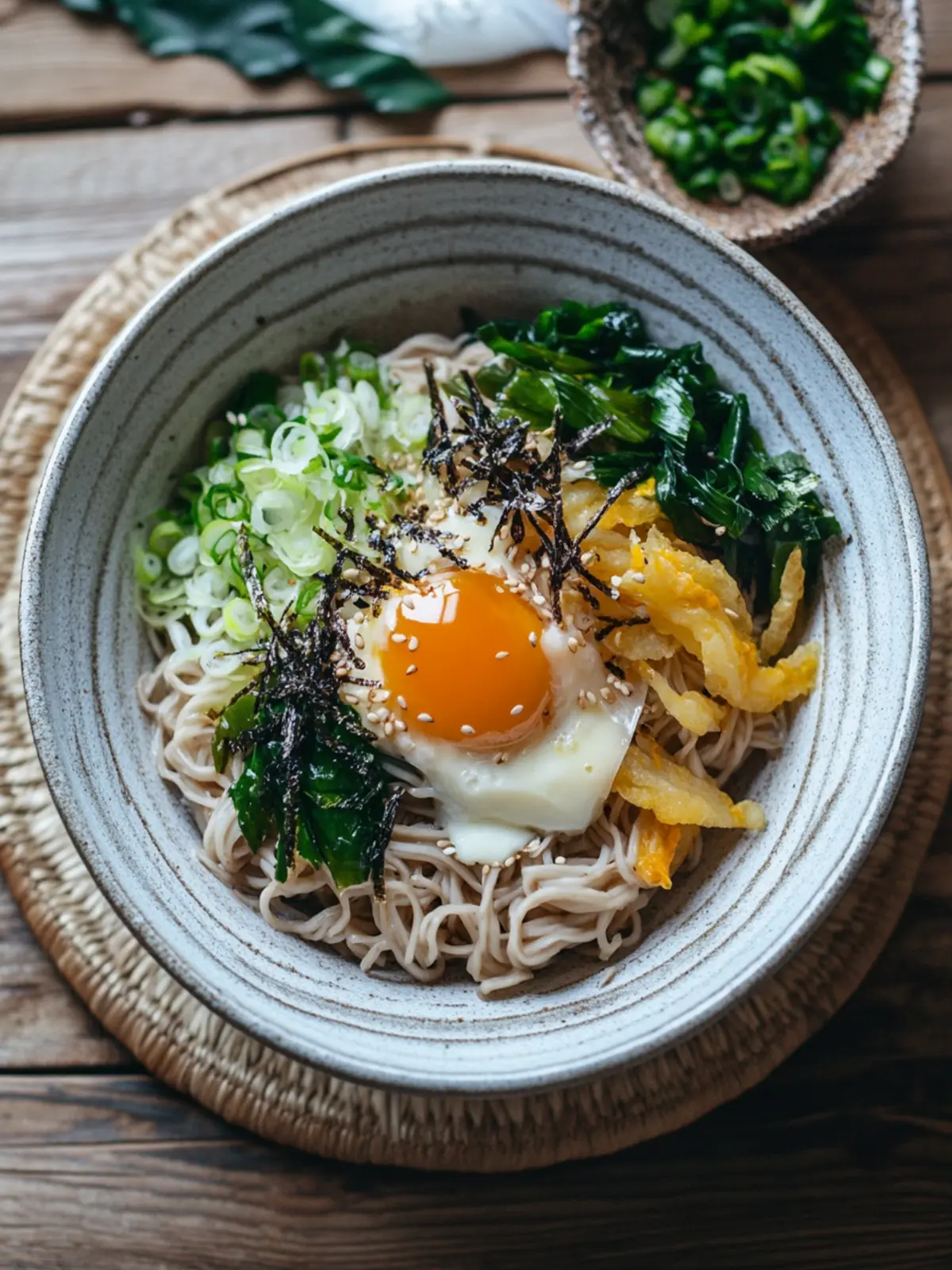
Makguksu Recipe FAQs
What kind of buckwheat noodles should I use for Makguksu?
You can use traditional buckwheat noodles, which are gluten-free and provide a unique chewiness. If you prefer, somyeon noodles can be used as a substitute, but they will have a different texture and flavor. Look for noodles that are labeled specifically for cold dishes to ensure the best results!
How should I store leftover Makguksu?
Store any leftover Makguksu in an airtight container in the refrigerator for up to 2 days. To keep the noodles from becoming mushy, it’s best to separate the noodles from the dressing and toppings before storing. Just combine them again before enjoying!
Can I freeze Makguksu?
Absolutely! To freeze Makguksu, first, cool the buckwheat noodles entirely, then place them in an airtight container or freezer bag, ensuring as much air is removed as possible. They can be frozen for up to 3 months. When you’re ready to eat, thaw them overnight in the refrigerator and slightly reheat them in warm water before adding the dressing.
What if my dressing is too salty?
If your dressing turns out too salty, you can balance it with a splash of lemon juice or a little more honey to add sweetness. Alternatively, consider increasing the amount of vinegar or adding additional ingredients like cucumber or shredded carrot to dilute the salty taste without overpowering the dish.
Is Makguksu suitable for vegans or people with allergies?
Yes! You can easily make a vegan version of Makguksu by omitting the raw egg yolk and using maple syrup instead of honey. Always check that your kimchi is vegan-friendly, as some may contain fish sauce. Additionally, be cautious if you’re serving someone with a soy allergy, as the dressing does include soy sauce; consider coconut aminos as a replacement.
How do I choose the best kimchi for my Makguksu?
When selecting kimchi, look for a sour cabbage variety that is well-fermented. A good kimchi should have a balance of tang and spice to complement the dish without overwhelming it. You can taste a bit before adding it to your Makguksu to ensure it meets your flavor preference!
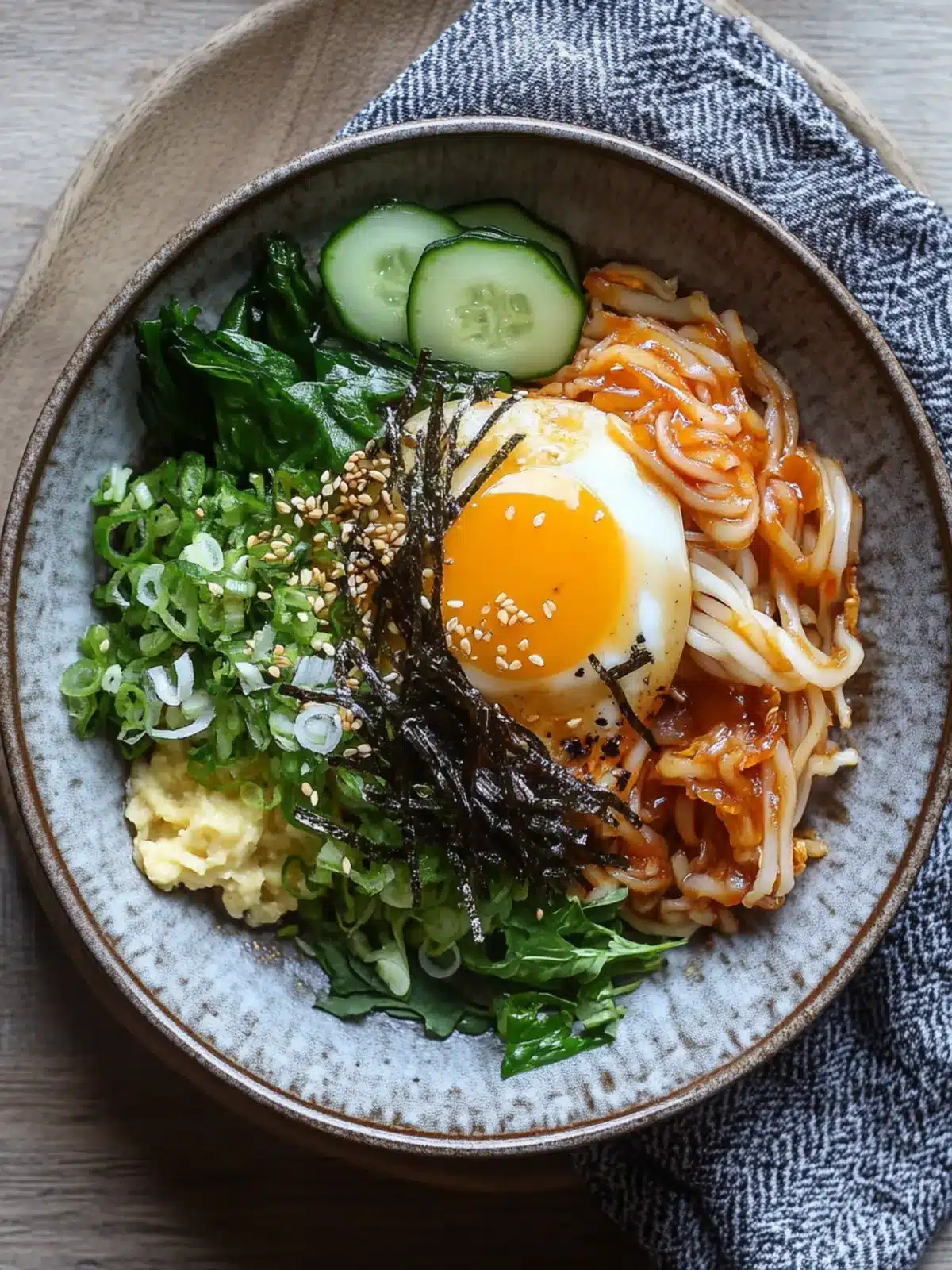
Savory Makguksu: Refreshing Buckwheat Noodles for Summer Bliss
Ingredients
Equipment
Method
- Bring a pot of water to a boil and add the buckwheat noodles. Cook according to package instructions until al dente, about 4-6 minutes.
- Once cooked, drain the noodles and rinse under cold water to enhance their chewy texture.
- In a bowl, mix together the tsuyu, soy sauce, lemon juice or vinegar, honey, and perilla oil. Add Korean mustard if desired.
- Rinse sour cabbage kimchi, chop into bite-sized pieces, and drain excess moisture.
- Place chilled noodles in a serving bowl. Drizzle dressing over noodles and garnish with kimchi, sliced green onions, toasted seaweed, sesame seeds, and egg yolk if using.
- If using egg yolk, break it and mix everything together. Serve immediately for a refreshing cold meal.