
There’s a moment when you lift the cake from the oven, and a waft of lemon zest mixed with delicate lavender fills your kitchen, transporting you to a sun-drenched garden. This Lemon Lavender Cake is not just a dessert; it’s an experience that beckons you to slow down and savor each bite.
I first fell in love with this elegant treat during a warm spring gathering, where it stood out among the usual sweet offerings. Its moist crumb and the floral notes of lavender paired beautifully with the bright citrus, creating a dish that wasn’t just delicious but also visually stunning. Plus, it’s incredibly versatile! Whether you need a showstopper for a special occasion or simply want to elevate your weekend baking, this cake fits the bill perfectly.
What makes it even better? This recipe can easily be adapted for gluten-free diets, so everyone can indulge. Let’s dive into creating a cake that will undoubtedly leave your guests asking for seconds!
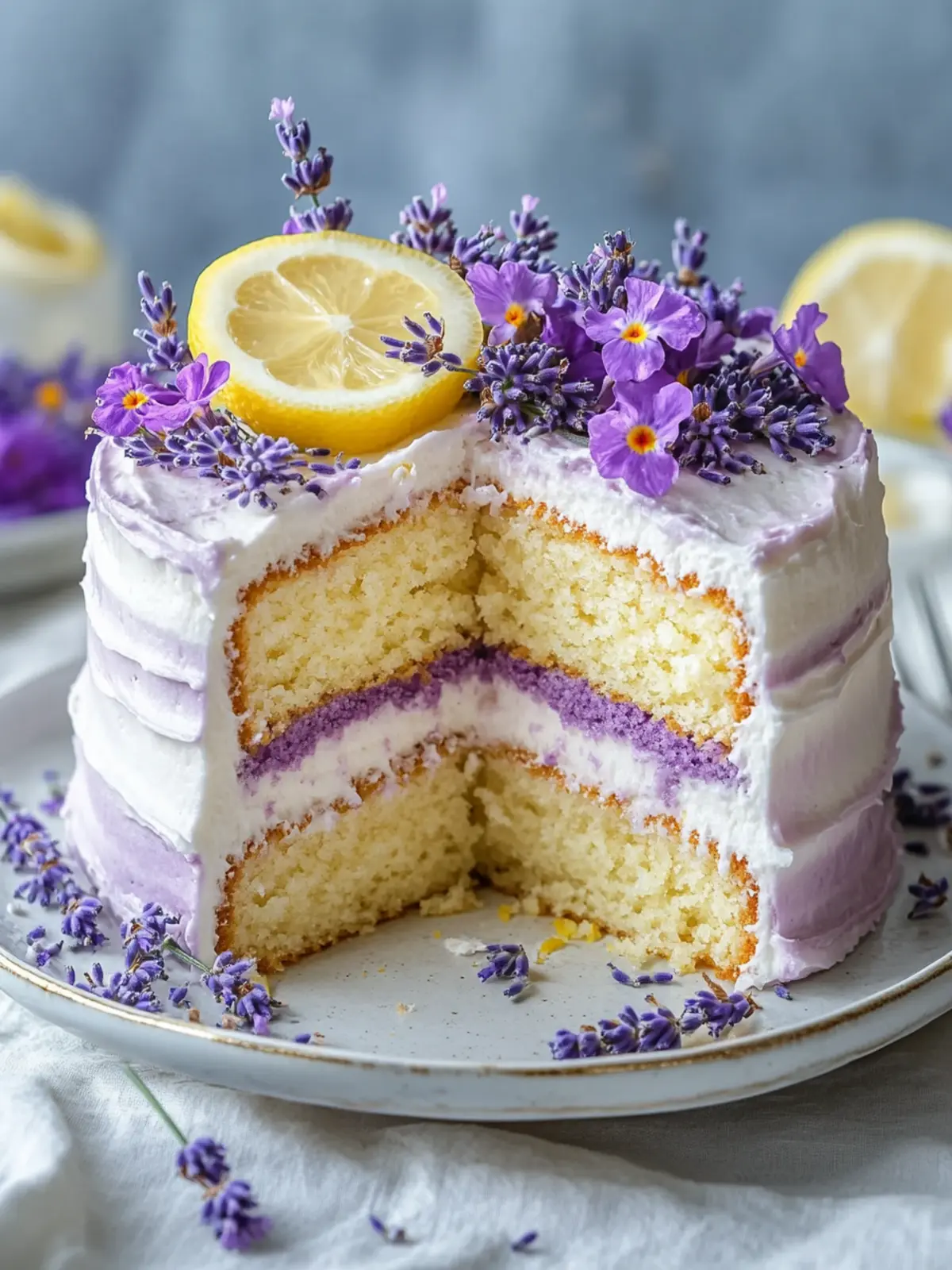
Why is Lemon Lavender Cake so special?
Aromatic Delight: The Lemon Lavender Cake infuses your senses with the refreshing aroma of lemon and the delicate floral notes of lavender, creating an unforgettable dessert experience.
Easy to Bake: With simple steps and commonly available ingredients, this cake is a breeze to make, perfect for novice bakers and seasoned chefs alike.
Versatile Treat: Whether for a birthday celebration or a casual weekend, its elegant appearance offers versatility for any occasion, making it a favorite among family and friends.
Gluten-Free Friendly: Need gluten-free options? You can easily substitute with a gluten-free flour blend, allowing everyone to savor this delightful cake!
Perfect Pairing: Serve with fresh berries or a light dusting of powdered sugar to enhance the overall flavor and presentation. Enjoy the beauty of homemade baking!
Lemon Lavender Cake Ingredients
For the Cake
• All-Purpose Flour – Provides structure; substitute with gluten-free flour blend for a gluten-free option.
• Baking Powder – Acts as a leavening agent to help the cake rise beautifully.
• Baking Soda – Balances the acidity of the lemon juice, ensuring a perfect rise.
• Salt – Enhances overall flavor, making each bite delightful.
• Unsalted Butter – Adds moisture and richness; ensure it’s softened for easy mixing.
• Granulated Sugar – Sweetness that also contributes to the cake’s texture and structure.
• Eggs – Crucial for binding and providing moisture, creating that tender crumb.
• Lemon Zest – Offers bright flavor and aromatics; zest from about 2 lemons for the best impact.
• Fresh Lemon Juice – Adds acidity and brightness, enriching the lemon flavor profile.
• Whole Milk – Contributes to a moist cake; can be substituted with non-dairy options if needed.
• Dried Lavender Buds – Imparts delightful floral notes; ensure they are culinary grade for safety. Consider lavender extract as a strong alternative, using only 1/4 teaspoon.
• Vanilla Extract – Enhances the overall flavor, balancing the citrus and floral aspects.
For the Frosting
• Powdered Sugar – For sweetness in the glaze and frosting, helping achieve a smooth consistency.
• Heavy Cream – Adds a luxurious richness to the buttercream, making it utterly decadent.
This delightful Lemon Lavender Cake is a testament to the beauty of homemade baking, inviting you to indulge in its elegant flavors!
How to Make Lemon Lavender Cake
-
Preheat Oven: Start by setting your oven to 350°F (175°C). Prepare two 9-inch cake pans by greasing and flouring them or lining them with parchment paper to prevent sticking.
-
Infuse Lavender: In a small saucepan, heat the milk and add the dried lavender buds. Allow them to steep for 5 minutes, then cool and strain the mixture to remove the buds.
-
Mix Dry Ingredients: In a mixing bowl, whisk together the all-purpose flour, baking powder, baking soda, and salt until well combined. This mixture will give your cake its structure.
-
Cream Butter and Sugar: In another bowl, beat the softened unsalted butter with granulated sugar until light and fluffy, about 3-4 minutes. This step will create a wonderful texture for your cake.
-
Add Eggs & Flavorings: Add the eggs one at a time, mixing well after each addition. Then, blend in the lemon zest, lemon juice, and vanilla extract to infuse flavor.
-
Combine Ingredients: Gradually alternate adding the dry ingredients and the lavender-infused milk to the butter mixture. Mix just until combined; do not overmix to ensure a tender crumb.
-
Bake: Pour the batter evenly into the prepared pans and bake for 25-30 minutes, or until a toothpick inserted into the center comes out clean. Your cake should be lightly golden.
-
Cool Cakes: Let the cakes cool in their pans for about 10 minutes, then carefully transfer them to a wire rack to cool completely before frosting.
-
Prepare Glaze: In a small bowl, whisk together powdered sugar, fresh lemon juice, lemon zest, and a touch of lavender for a delicious drizzle atop your cake.
-
Make Buttercream: In a mixing bowl, beat softened butter until creamy. Gradually add in powdered sugar, heavy cream, lemon juice, lemon zest, and lavender until the mixture is smooth and fluffy.
-
Assemble Cake: Place one cake layer on your serving plate and frost the top with buttercream. Add the second layer on top, frost the outside, and finish with a beautiful drizzle of glaze.
Optional: Garnish with fresh berries or a sprinkle of powdered sugar for an extra touch of elegance.
Exact quantities are listed in the recipe card below.
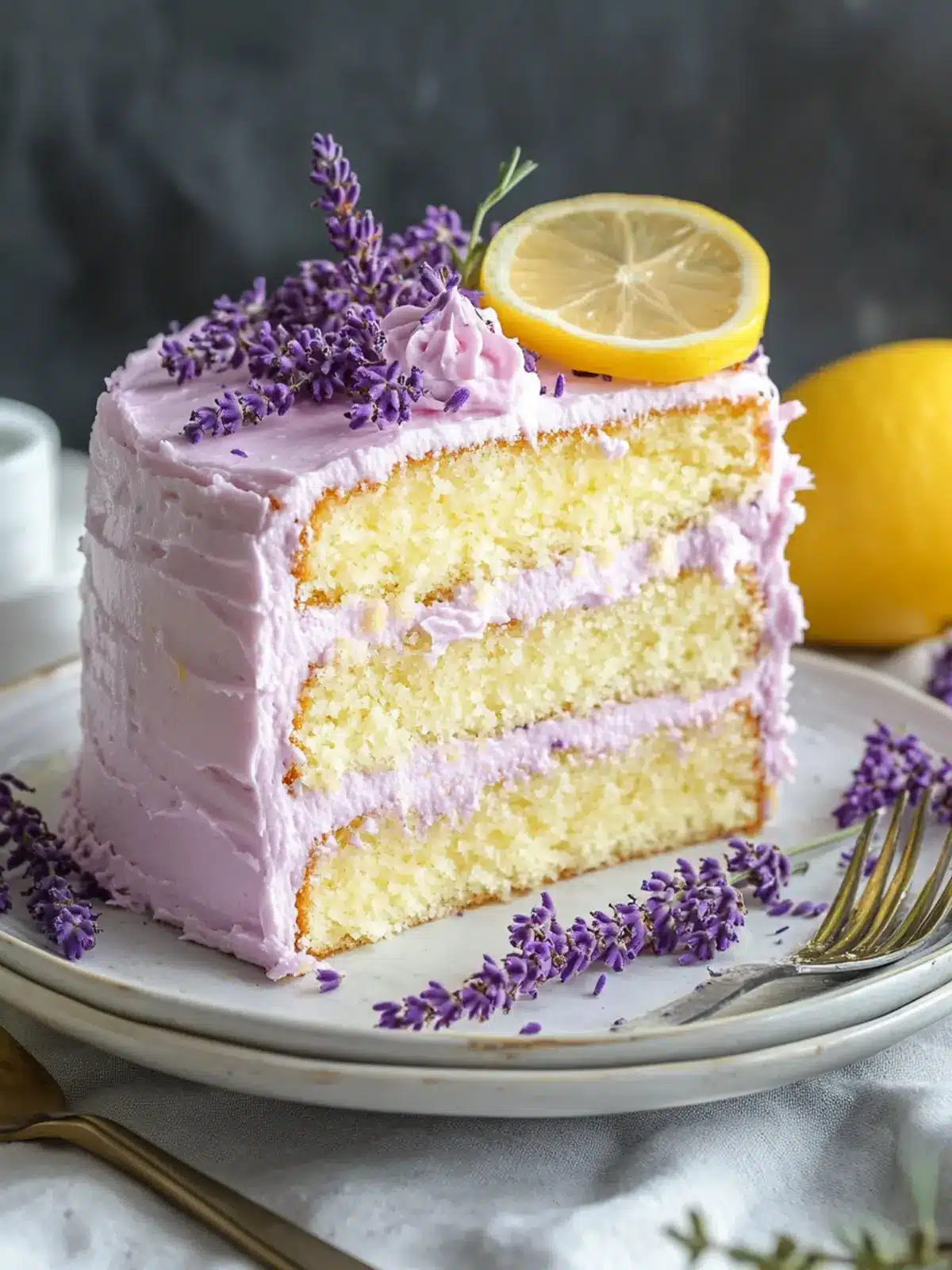
How to Store and Freeze Lemon Lavender Cake
Fridge: Store your Lemon Lavender Cake in an airtight container in the refrigerator for up to 3 days to maintain its moist texture and flavor.
Freezer: If you want to enjoy it later, wrap each cake layer tightly in plastic wrap and aluminum foil, then freeze for up to 3 months. Thaw in the fridge before frosting.
Room Temperature: For short-term storage, keep the cake covered at room temperature for up to 2 days. Enjoy fresh for the best flavor!
Reheating: If you prefer a warm slice, microwave individual pieces for about 15-20 seconds, or until just warmed through, enjoying that lovely lemon and lavender aroma again!
What to Serve with Lemon Lavender Cake?
Elevate your dessert experience with delightful pairings that complement the floral and citrus notes of this enchanting cake.
- Whipped Cream: A dollop of freshly whipped cream adds a light, airy texture, enhancing the cake’s delicate flavors.
- Fresh Berries: Serve with a mix of raspberries and blueberries; their tartness balances the sweetness of the cake beautifully.
- Lemon Sorbet: A scoop of lemon sorbet offers an invigorating burst of citrus, creating a refreshing contrast to the rich buttercream.
- Herbal Tea: Pair with soothing herbal tea, like chamomile or mint, for a calming finish to your elegant dessert experience.
- Iced Lavender Lemonade: Amplify the lavender notes with a glass of iced lavender lemonade, a fruity drink that complements the cake’s floral essence perfectly.
- Creamy Vanilla Ice Cream: Rich vanilla ice cream adds a creamy richness that beautifully contrasts with the cake’s moist texture, making each bite heavenly.
Imagine a picnic on a sun-drenched lawn, where these delightful pairings bring out the best in your Lemon Lavender Cake, creating an unforgettable experience for your taste buds!
Expert Tips for Lemon Lavender Cake
• Quality Ingredients: Use culinary-grade lavender and fresh lemons for the best flavor infusion in your Lemon Lavender Cake.
• Butter Temperature: Ensure your butter is properly softened to room temperature, making it easier to cream with sugar for a fluffy texture.
• Don’t Overmix: When combining ingredients, mix just until combined to avoid a dense cake. Overmixing can lead to tough results.
• Cooling Time: Allow the cake to cool completely before frosting; frosting a warm cake can cause the buttercream to melt and slide off.
• Gluten-Free Options: For a gluten-free Lemon Lavender Cake, substitute all-purpose flour with a gluten-free blend to accommodate dietary needs.
• Add Fresh Berries: Consider adding fresh raspberries or blueberries between layers for a lovely tart contrast and enhanced visual appeal.
Lemon Lavender Cake Variations
Feel free to get creative and customize your Lemon Lavender Cake—it’s a delightful canvas for your baking inspirations!
- Gluten-Free: Swap all-purpose flour for a gluten-free flour blend, ensuring everyone can enjoy this aromatic treat.
- Dairy-Free: Use almond milk or coconut milk in place of whole milk, and opt for dairy-free butter for a luscious result.
- Herb Twist: Experiment with other herbs like thyme or rosemary to enhance the cake’s flavor profile with unique notes.
- Citrus Burst: Incorporate orange zest or juice alongside the lemon for an extra layer of refreshing citrus flavor.
- Berry Infusion: Layer fresh berries like raspberries or blueberries between the cake layers for a burst of tartness and vibrant color.
- Flavored Glaze: Add a splash of elderflower cordial to the glaze for a subtle floral twist that complements the lavender beautifully.
- Nutty Crunch: Mix in finely chopped almonds or hazelnuts for a delightful texture that contrasts the soft cake.
- Spicy Kick: For a warm touch, include a dash of ground ginger or cardamom in the batter to awaken the senses.
Make Ahead Options
These Lemon Lavender Cake layers are perfect for busy home cooks looking to save time! You can bake the cake layers up to two days in advance; simply cool them completely and store them in an airtight container at room temperature. For longer storage, they can be frozen for up to three months. Frosting can also be made ahead—just store it in the refrigerator and bring it to room temperature before use. When ready to serve, simply frost the cake, drizzle with glaze, and add any fresh garnishes. This approach ensures that your cake remains just as delightful and fresh, allowing you to enjoy the elegant flavors with minimal effort.
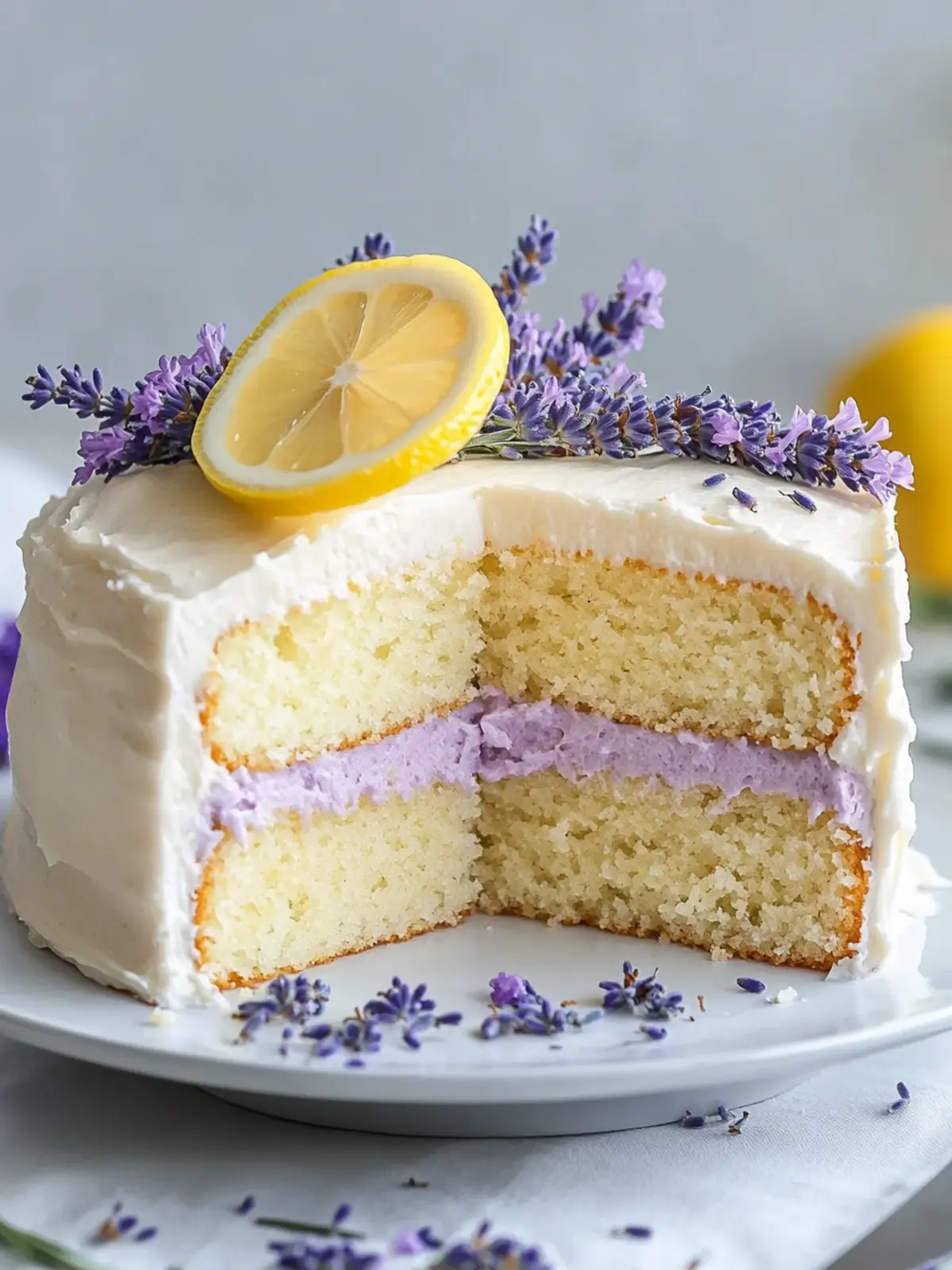
Lemon Lavender Cake Recipe FAQs
What kind of lavender should I use for the Lemon Lavender Cake?
Absolutely, you should use culinary-grade dried lavender buds to ensure safety and flavor. Avoid using decorative lavender, as it may not be safe for consumption. If you can’t find dried lavender, lavender extract is a strong substitute; just use 1/4 teaspoon in the recipe.
How should I store my baked Lemon Lavender Cake?
To keep your lovely cake fresh, store it in an airtight container in the refrigerator for up to 3 days. This preserves the moist texture and flavor beautifully. If you prefer room temperature, you can cover it and leave it out for up to 2 days, but I recommend refrigeration for optimal freshness.
Can I freeze Lemon Lavender Cake?
Yes! You can freeze your cake layers for future enjoyment. Just wrap each layer tightly in plastic wrap, then in aluminum foil, and freeze for up to 3 months. To thaw, place them in the refrigerator overnight before frosting. This way, you can always have a delightful dessert on hand!
What should I do if my cake doesn’t rise properly?
Very important! If your cake doesn’t rise, it could be that your baking powder or baking soda is old and not active. Always check the expiration dates, and consider doing a simple test: add a teaspoon of baking powder to warm water; if it bubbles, it’s still good. Also, avoid overmixing the batter once you add the dry ingredients, as this can lead to a dense cake.
Can I make any substitutions for dietary restrictions?
Of course! For a gluten-free Lemon Lavender Cake, simply substitute all-purpose flour with a gluten-free blend. You can also replace whole milk with almond milk or any non-dairy milk of your choice without compromising flavor or texture. Enjoy baking for everyone!
Is there a specific way to infuse the lavender flavor in the buttercream?
Certainly! To infuse the buttercream with lavender flavor, you can steep additional culinary lavender buds in a small amount of warm heavy cream for about 5 minutes. Strain out the buds and mix the infused cream into your buttercream while it’s being whipped. This adds a lovely floral note that complements the cake beautifully!
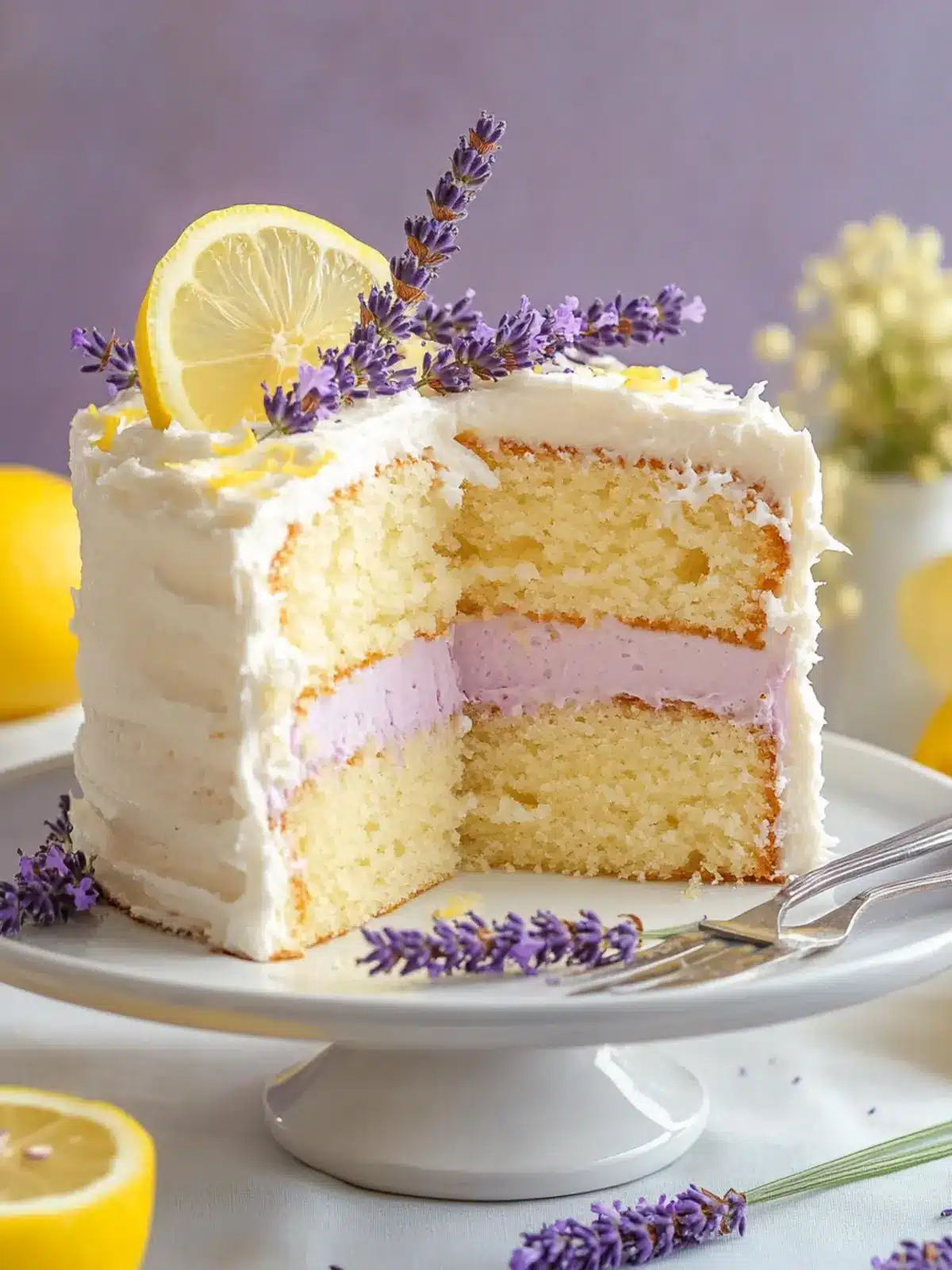
Delight in Homemade Lemon Lavender Cake for Every Celebration
Ingredients
Equipment
Method
- Preheat Oven: Start by setting your oven to 350°F (175°C). Prepare two 9-inch cake pans by greasing and flouring them or lining them with parchment paper to prevent sticking.
- Infuse Lavender: In a small saucepan, heat the milk and add the dried lavender buds. Allow them to steep for 5 minutes, then cool and strain the mixture to remove the buds.
- Mix Dry Ingredients: In a mixing bowl, whisk together the all-purpose flour, baking powder, baking soda, and salt until well combined.
- Cream Butter and Sugar: In another bowl, beat the softened unsalted butter with granulated sugar until light and fluffy, about 3-4 minutes.
- Add Eggs & Flavorings: Add the eggs one at a time, mixing well after each addition. Then, blend in the lemon zest, lemon juice, and vanilla extract.
- Combine Ingredients: Gradually alternate adding the dry ingredients and the lavender-infused milk to the butter mixture. Mix just until combined.
- Bake: Pour the batter evenly into the prepared pans and bake for 25-30 minutes, or until a toothpick inserted into the center comes out clean.
- Cool Cakes: Let the cakes cool in their pans for about 10 minutes, then transfer to a wire rack to cool completely before frosting.
- Prepare Glaze: In a small bowl, whisk together powdered sugar, fresh lemon juice, lemon zest, and a touch of lavender.
- Make Buttercream: In a mixing bowl, beat softened butter until creamy. Gradually add in powdered sugar, heavy cream, lemon juice, lemon zest, and lavender until smooth and fluffy.
- Assemble Cake: Place one cake layer on your serving plate and frost the top with buttercream. Add the second layer on top, frost the outside, and finish with a drizzle of glaze.