
When I think of cozy dinners that bring a smile to my face, Japanese Katsu Bowls instantly come to mind. The first time I tried making this iconic dish at home, I was captivated by the delightful crunch of golden-brown katsu paired with the fluffiest rice. Each bite combines tender meat—whether chicken or pork—with a savory sauce that warms the soul, making it a perfect option for both busy weeknights and special family gatherings.
As I mastered the art of katsu, I discovered its versatility—there’s something for everyone at the table. You can easily swap in eggplant or tofu for a vegetarian twist or explore different sauces to keep your taste buds excited. Imagine the joy of creating a restaurant-quality comfort food right in your own kitchen! So grab your apron, and let’s embark on this delicious journey together.
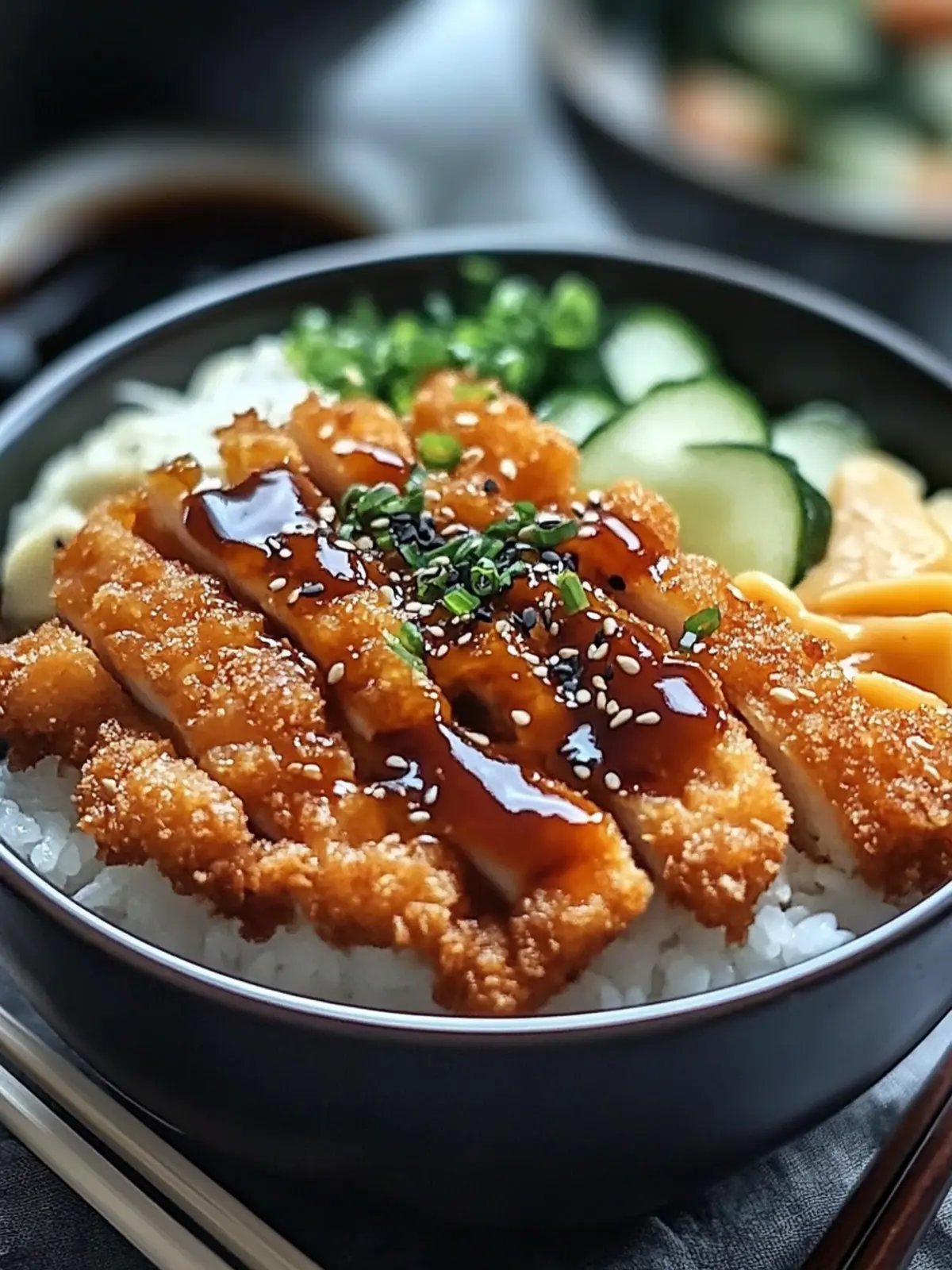
Why are Japanese Katsu Bowls irresistible?
Comforting Crunch: The crispy, golden-brown cutlet brings a satisfying texture that’s hard to resist.
Easy to Customize: Whether you prefer chicken, pork, or a veggie option, each version offers delightful flavor twists that cater to everyone.
Savory Sauce Bliss: With a rich tonkatsu sauce drizzled on top, your taste buds will dance with joy.
Quick Prep: In just a few easy steps, you can whip up this comforting dish, making it perfect for busy nights or cozy weekends.
Family Favorite: It’s a meal that brings everyone to the table—kids and adults alike will love this deliciously satisfying bowl!
Japanese Katsu Bowls Ingredients
• Get ready to create a delightful meal with these essential ingredients!
For the Katsu
- Chicken Breasts – Boneless skinless is ideal for easy cooking; pork loin or eggplant can suit vegetarian preferences.
- Salt & Pepper – Essential for seasoning; never underestimate their power to elevate flavor!
- All-Purpose Flour – Used for dredging, it forms the crispy coating that defines your katsu.
- Eggs – These are binders for the breadcrumbs; a flaxseed mixture works perfectly for a vegan option.
- Panko Breadcrumbs – Light and crispy, they give that satisfying crunch; regular breadcrumbs can substitute in a pinch.
- Vegetable Oil – Choose a neutral oil like canola or peanut for frying; it helps achieve that golden-brown finish.
For the Rice
- Japanese Short-Grain Rice – This sticky variety forms the perfect base layer for your bowl; don’t skip this crucial ingredient!
- Rice Vinegar, Sugar, Salt – These seasonings transform plain rice into a flavor-packed delight.
For the Sauce
- Tonkatsu Sauce – A must-have for drizzling; for a unique touch, explore homemade or store-bought options.
- Soy Sauce, Worcestershire Sauce, Ketchup – Balance and deepen the sauce’s flavor; feel free to tweak these for the right sweetness or umami.
For the Toppings
- Shredded Cabbage – Adds a refreshing crunch; it’s a classic accompaniment on top of your katsu.
- Green Onions – Sprinkle on for an extra pop of color and flavor.
- Sesame Seeds – These add a delightful nutty finish that ties everything together.
- Pickled Ginger – A touch of brightness and zing that makes each bite exciting!
With these ingredients, you’re set to create a delicious Japanese Katsu Bowl that everyone will adore!
How to Make Japanese Katsu Bowls
-
Prepare the Rice: Rinse the Japanese short-grain rice until the water runs clear, removing excess starch. Soak for 30 minutes before cooking. Cover with water and simmer for 15 minutes, then let it rest for 10 minutes and season with rice vinegar mixture.
-
Prepare the Katsu: Pound the chicken breasts to an even thickness for uniform cooking. Season with salt and pepper, then dip in all-purpose flour, followed by the egg, and finally coat in panko breadcrumbs for extra crunch.
-
Fry Katsu: Heat vegetable oil in a pan over medium-high heat until sizzling. Carefully place the breaded chicken in the oil, cooking for 4-5 minutes per side until golden brown and reaching an internal temperature of 165°F. Drain on paper towels and slice into strips.
-
Make the Sauce: In a small bowl, whisk together tonkatsu sauce, soy sauce, Worcestershire sauce, and ketchup until well combined, creating a deliciously balanced sauce.
-
Assemble the Bowl: Spoon the seasoned rice into bowls, layer on the sliced katsu, and drizzle generously with the sauce. Top with shredded cabbage, green onions, and sesame seeds for added freshness and crunch.
Optional: Garnish with pickled ginger for an extra zing!
Exact quantities are listed in the recipe card below.
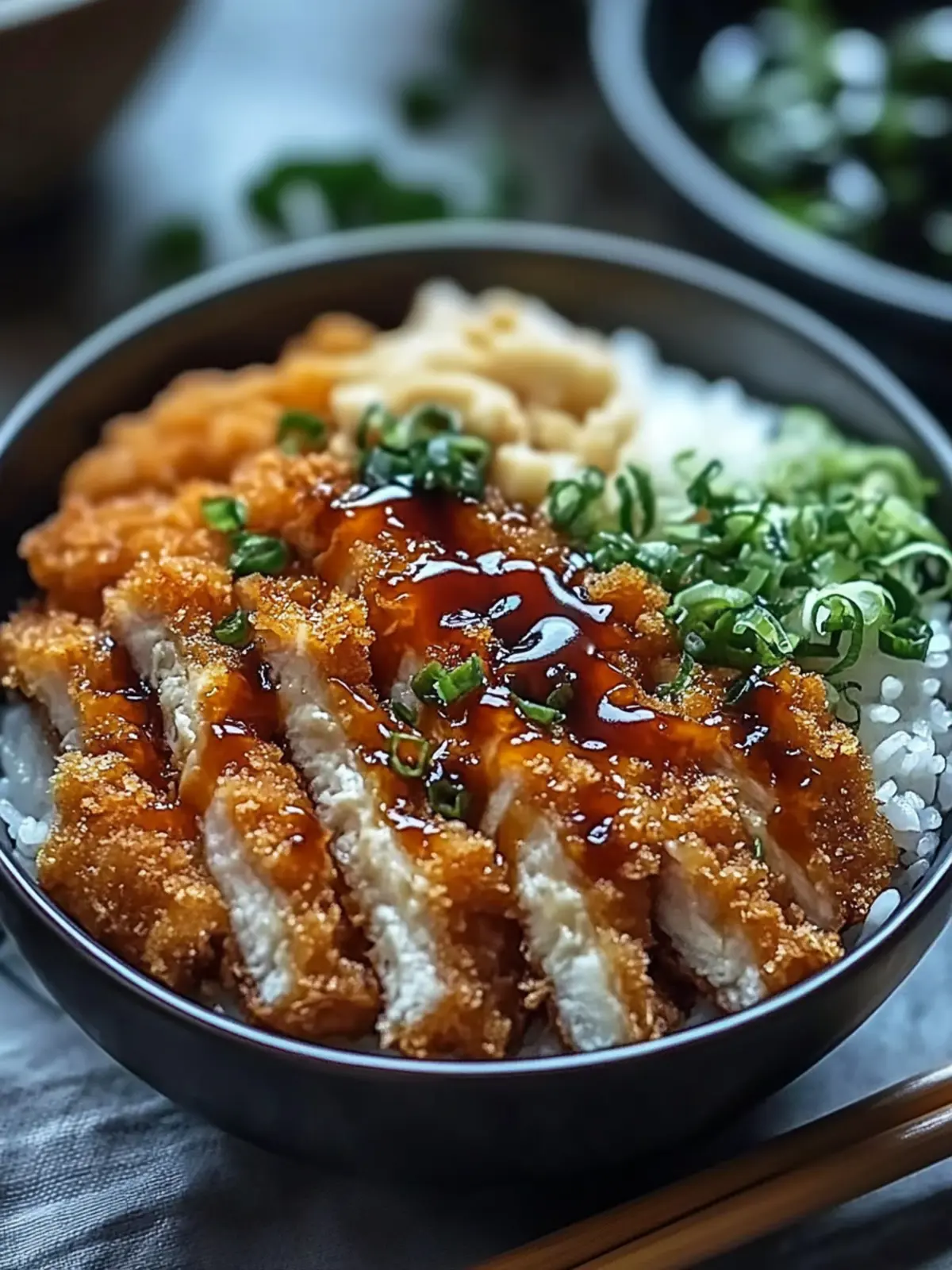
Expert Tips for Japanese Katsu Bowls
-
Oil Temperature: Make sure the oil is hot enough before frying; it should sizzle when adding the katsu, preventing sogginess.
-
Even Cooking: Avoid overcrowding the pan; frying in batches maintains oil temperature for a perfectly crispy katsu.
-
Rest Before Slicing: Allow the fried katsu to rest briefly on paper towels to lock in juices, ensuring each bite remains tender and juicy.
-
Rice Texture: Rinse the rice thoroughly before cooking to achieve that signature sticky texture, key for classic Japanese Katsu Bowls.
-
Flavor Variations: Experiment with different sauces or toppings like spicy mayo or avocado to keep your Japanese Katsu Bowls exciting and tailored to your taste!
Storage Tips for Japanese Katsu Bowls
-
Room Temperature: Katsu should not be left out longer than 2 hours to avoid food safety risks. It’s best enjoyed fresh and warm!
-
Fridge: Store any leftover katsu in an airtight container for up to 3 days. Keep the rice and katsu separate to maintain texture.
-
Freezer: For long-term storage, freeze katsu and rice in separate containers for up to 2 months. Ensure they are wrapped tightly to prevent freezer burn.
-
Reheating: Reheat katsu in the oven at 350°F for about 10-15 minutes for crispiness, or microwave rice with a splash of water covered for a few minutes until hot. Enjoy your delicious Japanese Katsu Bowls!
Make Ahead Options
These Japanese Katsu Bowls are a fantastic meal prep option for those busy weekdays! You can bread the chicken (or pork) up to 24 hours in advance; just cover and refrigerate it to keep it fresh. Additionally, the rice can be cooked ahead and stored in the refrigerator for up to 3 days—simply reheat it gently with a splash of water to regain its fluffy texture. When you’re ready to serve, heat oil in your pan and fry the prepped katsu until golden brown (about 4-5 minutes per side) and assemble the bowls with seasoned rice and your favorite toppings. This way, you’ll enjoy delicious, homemade comfort food without spending hours in the kitchen!
What to Serve with Japanese Katsu Bowls?
Create a delightful dining experience with these perfect pairings that elevate your katsu bowl into an unforgettable meal.
-
Crunchy Pickled Vegetables: These add a tangy bite that complements the rich flavors of the katsu and refreshes your palate.
-
Creamy Coleslaw: A smooth, tangy slaw provides a refreshing crunch, balancing the crispy texture of the katsu beautifully. The creaminess envelops every bite with flavor.
-
Fluffy Steamed Broccoli: A simply seasoned vegetable addition that lends a pop of color and nutrition while maintaining a vibrant, fresh taste.
-
Savory Miso Soup: This classic Japanese soup warms the soul and contrasts nicely with the crispy, hearty katsu, providing a comforting start to your meal.
-
Japanese Cucumber Salad: Light and refreshing, this salad adds a crisp element and a lovely crunch, brightening the overall dining experience.
-
Sake or Japanese Beer: Enjoy a chilled sake or light beer for a traditional drink pairing that harmonizes with the flavors of your katsu bowl.
-
Green Tea Ice Cream: End the meal on a sweet note! This dessert provides a creamy finish with subtle notes of matcha, leaving you feeling satisfied and content.
Embrace these pairing ideas and watch your Japanese katsu bowls shine even brighter at the dinner table!
Japanese Katsu Bowls Variations
Feel free to add your personal touch to these delightful bowls by exploring these variations!
-
Vegetarian Katsu: Swap chicken for eggplant or tofu for a satisfying plant-based option with similar textures.
Imagine the savory crunch of crispy eggplant, which soaks up all the delicious flavors of the sauce! -
Gluten-Free Swap: Use gluten-free breadcrumbs and flour to make a deliciously crispy katsu for those with gluten sensitivities.
You won’t sacrifice flavor or texture; each bite remains just as delightful! -
Spicy Katsu: Add some heat by incorporating chili flakes into the panko or drizzling sriracha over your assembled bowl.
A little kick elevates your meal to new spicy heights, ensuring every bite is electrifying! -
Tons of Sauce: Try different sauces like spicy mayo, ponzu, or even a creamy sesame dressing for flavor variety.
Experimenting with sauces will keep your katsu bowl exciting and beautifully unique each time! -
Tropical Twist: Top with fresh avocado slices and drizzle with a mild coconut sauce for a refreshing twist.
The creaminess of avocado paired with a hint of coconut brings a lovely balance to the dish. -
Noodle Base: For a fun twist, substitute rice with cooked soba or udon noodles for a different texture and heartiness.
Twirl those noodles with katsu and sauce; each forkful will be a warm hug in a bowl. -
Crispy Toppings: Add crunchy toppings like fried onions or crushed nori for extra texture and a burst of flavor.
Those little crispy bits will create a delightful contrast, making each bite even more satisfying! -
Savory Additions: Incorporate sautéed mushrooms or spinach into your bowl for an extra layer of umami flavor.
These greens not only enhance nutrition but also provide beautiful color against the golden katsu.
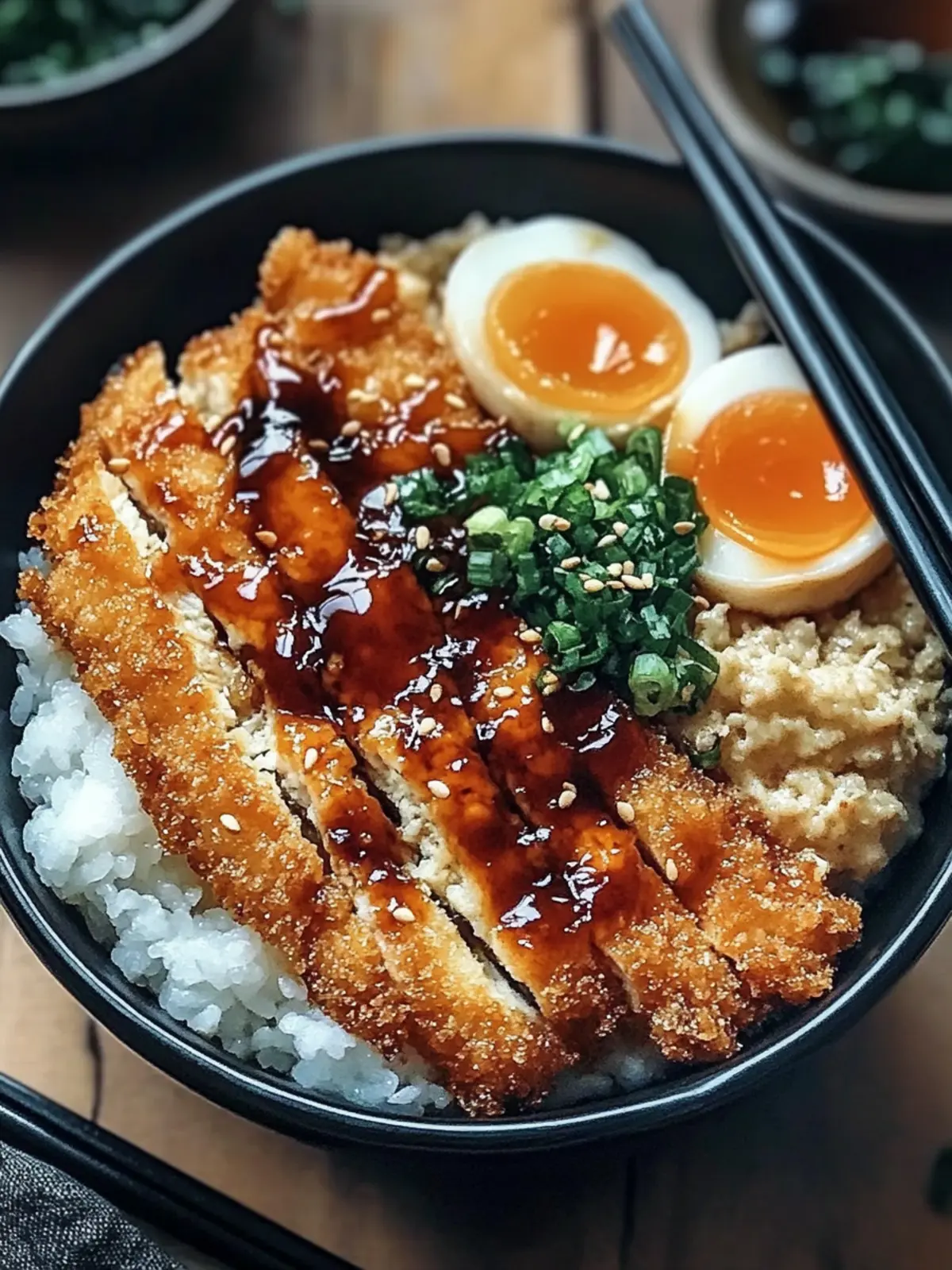
Japanese Katsu Bowls Recipe FAQs
What type of chicken should I use for Katsu?
Absolutely! Boneless, skinless chicken breasts are ideal for making katsu, as they cook evenly and stay juicy. If you’re looking for something different, pork loin is also a perfect alternative, and for a vegetarian option, consider using eggplant or tofu.
How should I store my leftover Katsu?
Very good question! Store any leftover katsu in an airtight container in the fridge for up to 3 days. It’s best to keep the katsu and rice separate to maintain their textures; simply reheat them when you’re ready to enjoy again.
Can I freeze Japanese Katsu Bowls? How?
Yes, you can definitely freeze Katsu! To do so, allow the fried katsu to cool completely. Wrap each piece tightly in plastic wrap and then place it in a freezer-safe bag or container for up to 2 months. For the rice, store it in an airtight container as well. To reheat, bake the katsu at 350°F for 10-15 minutes, or microwave the rice with a splash of water until hot.
What should I do if my katsu isn’t crispy?
Don’t worry, it happens! Ensure that your oil is at the right temperature before adding the katsu. If the oil is not hot enough, the katsu will absorb more oil and become soggy. You can test the temperature by tossing in a small piece of bread; if it sizzles immediately, you’re good to go! Also, avoid overcrowding the pan; frying in batches is key to maintaining a consistent temperature.
Are there vegetarian options for this recipe?
Absolutely! You can create a delicious vegetarian version of Japanese Katsu Bowls by substituting chicken with eggplant or tofu. Simply slice the eggplant into thin rounds, bread them like katsu, and fry until golden. You can also use a flaxseed mixture instead of eggs to keep it vegan.
How long can I store cooked rice?
Cooked rice can be stored in an airtight container in the fridge for up to 4-6 days. Be sure to cool it quickly after cooking and follow proper storage techniques to avoid any food safety issues. If you’re planning to keep leftovers longer, consider freezing the rice to retain its quality for up to 3 months.
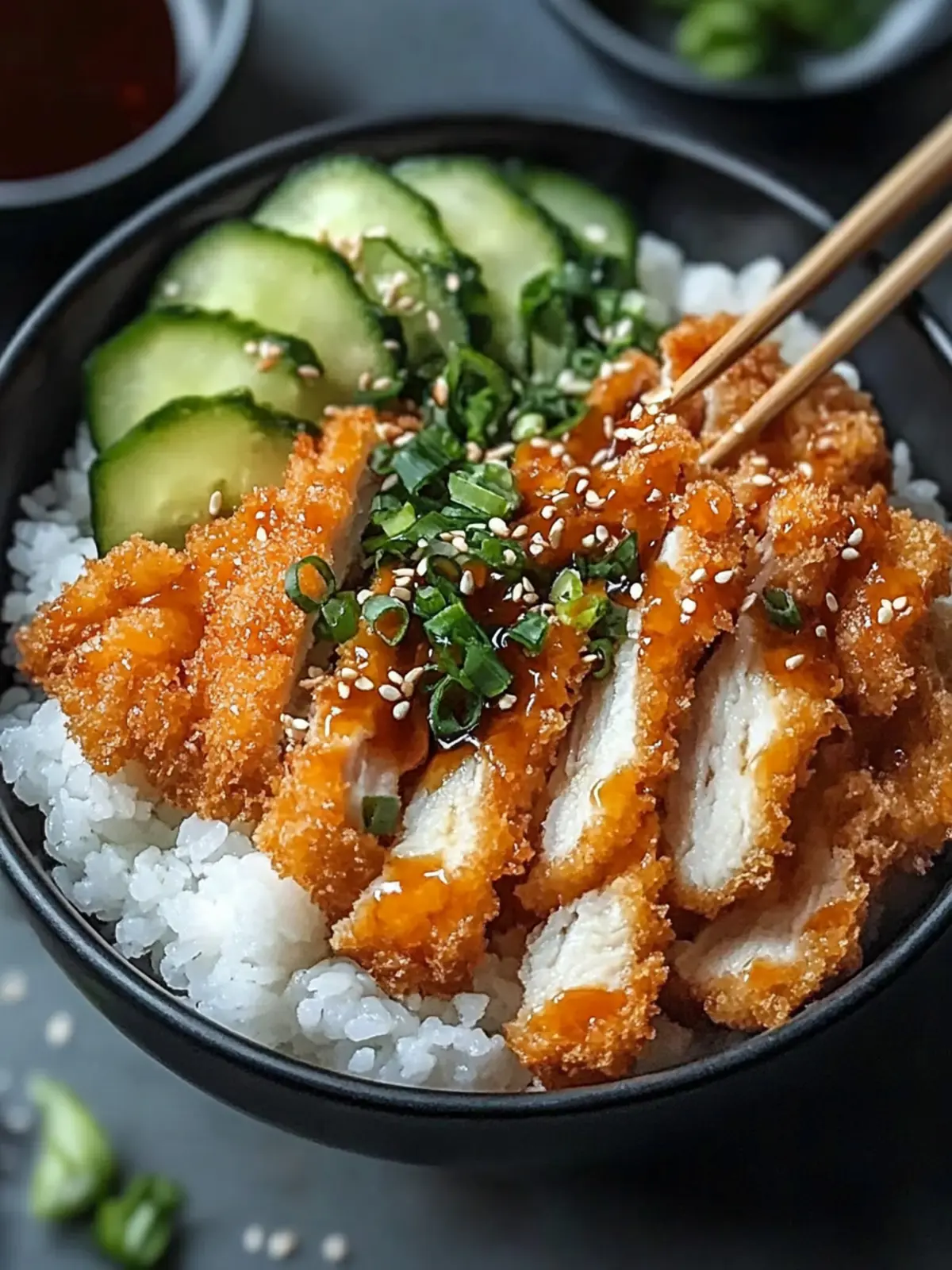
Crispy Japanese Katsu Bowls: Comfort Food Made Easy
Ingredients
Equipment
Method
- Rinse the Japanese short-grain rice until the water runs clear, removing excess starch. Soak for 30 minutes before cooking.
- Pound the chicken breasts to an even thickness for uniform cooking. Season with salt and pepper, then dip in all-purpose flour, followed by the egg, and finally coat in panko breadcrumbs for extra crunch.
- Heat vegetable oil in a pan over medium-high heat until sizzling. Carefully place the breaded chicken in the oil, cooking for 4-5 minutes per side until golden brown and reaching an internal temperature of 165°F. Drain on paper towels and slice into strips.
- In a small bowl, whisk together tonkatsu sauce, soy sauce, Worcestershire sauce, and ketchup until well combined.
- Spoon the seasoned rice into bowls, layer on the sliced katsu, and drizzle generously with the sauce. Top with shredded cabbage, green onions, and sesame seeds for added freshness and crunch.
- Optional: Garnish with pickled ginger for an extra zing!